

Property supply in Mallorca is not tight because of a short-term cycle. It is tight because structural factors restrict what can be built, approved, renovated, and brought to market, which makes scarcity the baseline rather than the exception.
This list is for international buyers considering a Mallorca purchase before they begin shopping. The five reasons are ordered from structural cause to market consequence: limited land, permitting constraints, restricted new builds, owner behaviour, and sustained demand.
TL;DR: Why Property Supply in Mallorca Stays Tight
Property supply in Mallorca is structurally tight because:
- Protected land: ~32% of the Balearics cannot be built on.
- Strict planning: long approval timelines limit new and refurbished stock.
- New construction: 3,631 starts in Mallorca in 2025, still modest vs demand.
- Owners hold: long holding periods keep existing stock off the market.
- Demand deepens: 13.6M visitors and flexible working convert into resident demand.
1. A Third of the Islands Cannot Be Built On

Overview
Protected land is the structural floor under property supply in Mallorca; roughly 32% of the Balearics cannot be developed.
This matters because land is the first constraint in any housing market. Before permitting, construction costs, or buyer demand enter the discussion, a large part of the Mallorca property market is already removed from future development.
Key Features
- Protected share: Approximately 32% of the Balearics, around 47,600 hectares, is protected land.
- UNESCO Biosphere status: Multiple Balearic zones have had UNESCO Biosphere protection for more than 30 years.
- Tramuntana protections: The west of Mallorca faces especially tight controls because of landscape and heritage protections.
- Coastal setback rules: Coastal parcels are limited by rules that restrict what can be built near protected shorelines.
- Environmental review: Many prime parcels require environmental assessment before development or major works can proceed.
Strengths
- Preserves the landscape quality that supports Mallorca’s long-term residential appeal.
- Supports price stability by limiting the amount of new supply that can enter prime areas.
- Protects investment quality by reducing the risk of overbuilding around established homes.
Weaknesses
- Caps developable inventory before market demand is even considered.
- Limits the creation of new villas in coastal, rural, and mountain-adjacent prime zones.
- Pushes more buyer competition toward existing renovated stock.
Who It’s For
This scarcity benefits long-term holders and lifestyle buyers who value controlled surroundings, landscape protection, and lower risk of oversupply. It is less comfortable for buyers expecting a wide choice of new-build villas in the most constrained locations.
2. Planning and Licensing Are Strict and Slow

Overview
Even buildable land moves slowly in Mallorca, planning approvals and licensing timelines compress what reaches the market in any given year.
This affects both new-build projects and refurbished homes. A property may exist physically, but if permissions, certificates, or rental licensing are unresolved, it may not become viable stock for a serious buyer.
Key Features
- Prime-project approvals: Higher-value projects often face long approval timelines before construction or major works can begin.
- Protected and coastal zones: Licensing is more complex where environmental, landscape, or coastal restrictions apply.
- Mallorca West constraints: Sóller, Valldemossa, and Deià face strict planning and long approval timelines, especially for refurbishment.
- ETV licence scarcity: An ETV is an official holiday rental licence; new licences are not being issued in most areas, while existing licences may be transferable.
- Cédula requirements: The Cédula de Habitabilidad is a habitation certificate confirming a property is fit for residential use, and it matters for rental and resale.
Strengths
- Keeps development quality higher by forcing projects through formal technical review.
- Protects existing owners’ values by limiting uncontrolled new supply.
- Filters out speculative supply from buyers or developers unwilling to carry regulatory risk.
Weaknesses
- Delays renovated properties reaching the market, especially in constrained locations.
- Raises construction holding costs while owners wait for approvals, contractors, and certificates.
- Favours buyers with patient capital and a tolerance for longer acquisition or project timelines.
Who It’s For
This environment suits buyers who are comfortable with longer timelines, careful due diligence, and the premium attached to turnkey homes. It is less suitable for buyers expecting rapid refurbishment, immediate rental use, or a wide pool of licensed properties.
3. New Construction Cannot Keep Pace With Demand

Overview
New construction is rising, but from a small base: 3,631 housing starts in Mallorca in 2025, up 34.5% year-on-year and 59% above the ten-year average, still modest relative to demand.
That matters because new supply does not arrive evenly across the island. Much of it is concentrated in areas where planning, land availability, and buyer budgets support development, leaving constrained prime locations dependent on existing stock.
Key Features
- Balearic-wide starts: The Balearics recorded 4,807 housing starts in 2025, up 31.7% year-on-year.
- Mallorca pipeline: Mallorca accounted for 3,631 starts in 2025, a clear rise but still limited against structural demand.
- Geographic concentration: New-build activity is concentrated in the southwest and south, not evenly across all prime areas.
- Modern specification: A-grade energy performance and solar are increasingly standard in new-build projects.
- Supply and pricing: New builds represent around 13% of total supply and carry an approximate 24% price premium over existing stock.
Strengths
- Adds incremental supply relief in a market where buildable land and approvals are constrained.
- Improves energy efficiency, especially where A-grade performance and solar are included from the start.
- Gives buyers access to modern layouts, warranties, and lower near-term renovation complexity.
Weaknesses
- Remains below structural demand, even after strong year-on-year growth.
- Price momentum is weaker than existing stock, with new builds at +4% versus +12% for existing homes.
- Concentration in the southwest and south limits relevance for buyers focused on Palma, the west, or established village markets.
Who It’s For
New construction suits buyers who prioritise specification, energy ratings, warranty coverage, and reduced renovation risk. It is less suitable for buyers who want maximum location flexibility or who expect new-build supply to solve scarcity across the full Mallorca market.
4. Owners Hold Rather Than Sell
Overview
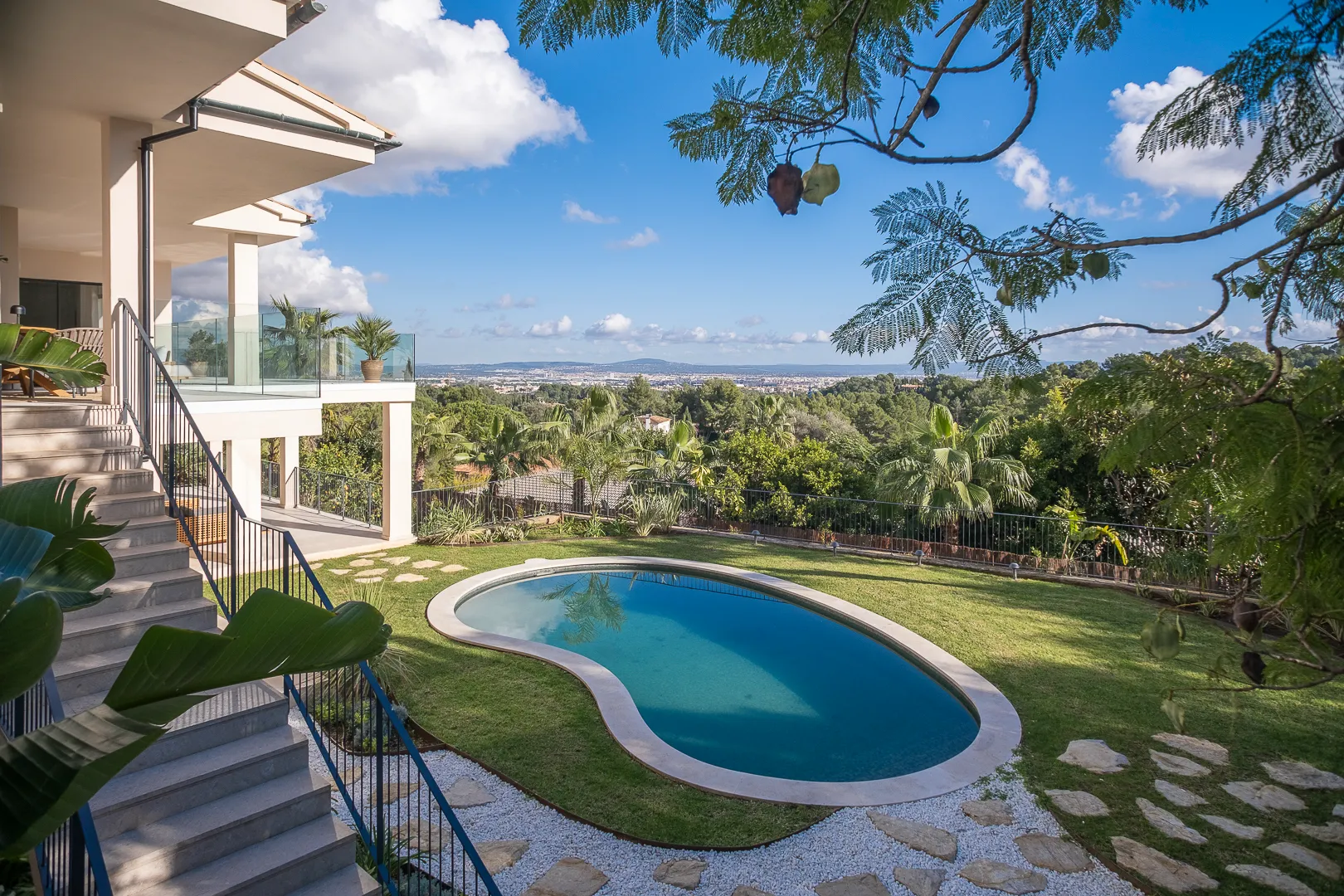
A large share of Mallorca’s prime stock sits with owners who have no reason to sell; long holding periods are a defining feature of the market, particularly in the north and in Son Vida.
This reduces visible inventory even when demand is strong. For buyers, it means the public listing market is only part of the picture, especially in the prime Mallorca market where owner relationships often determine what becomes available.
Key Features
- Equity-driven ownership: Many high-net-worth owners are largely insulated from financing conditions.
- Succession-tax treatment: Close family inheritance has a 100% exemption in the Balearics, extended in 2025 to include lifetime gifts.
- Reluctant sellers in the north: Owners in Pollensa and Alcudia often treat properties as long-term family assets.
- Low carrying-cost pressure: Second-home owners may not need to sell if financing, maintenance, and tax costs remain manageable.
- Rental income support: Strong rental demand can make holding more attractive than selling for licensed or well-positioned homes.
Strengths
- Stabilises prices by reducing forced sales into weaker market periods.
- Supports long-term capital preservation for owners who think in years rather than seasons.
- Reduces volatility because prime stock does not constantly recycle through the market.
Weaknesses
- Leaves buyers with thin visible inventory, especially in established prime areas.
- Means the best stock is often never listed publicly or appears only through private channels.
- Extends search timelines for buyers with specific location, view, condition, or licensing requirements.
Who It’s For
This market suits buyers willing to work through advisors with established owner relationships and a clear written brief. It is less suitable for buyers relying only on public portals or expecting prime stock to appear on demand.
5. Demand Keeps Deepening
Overview
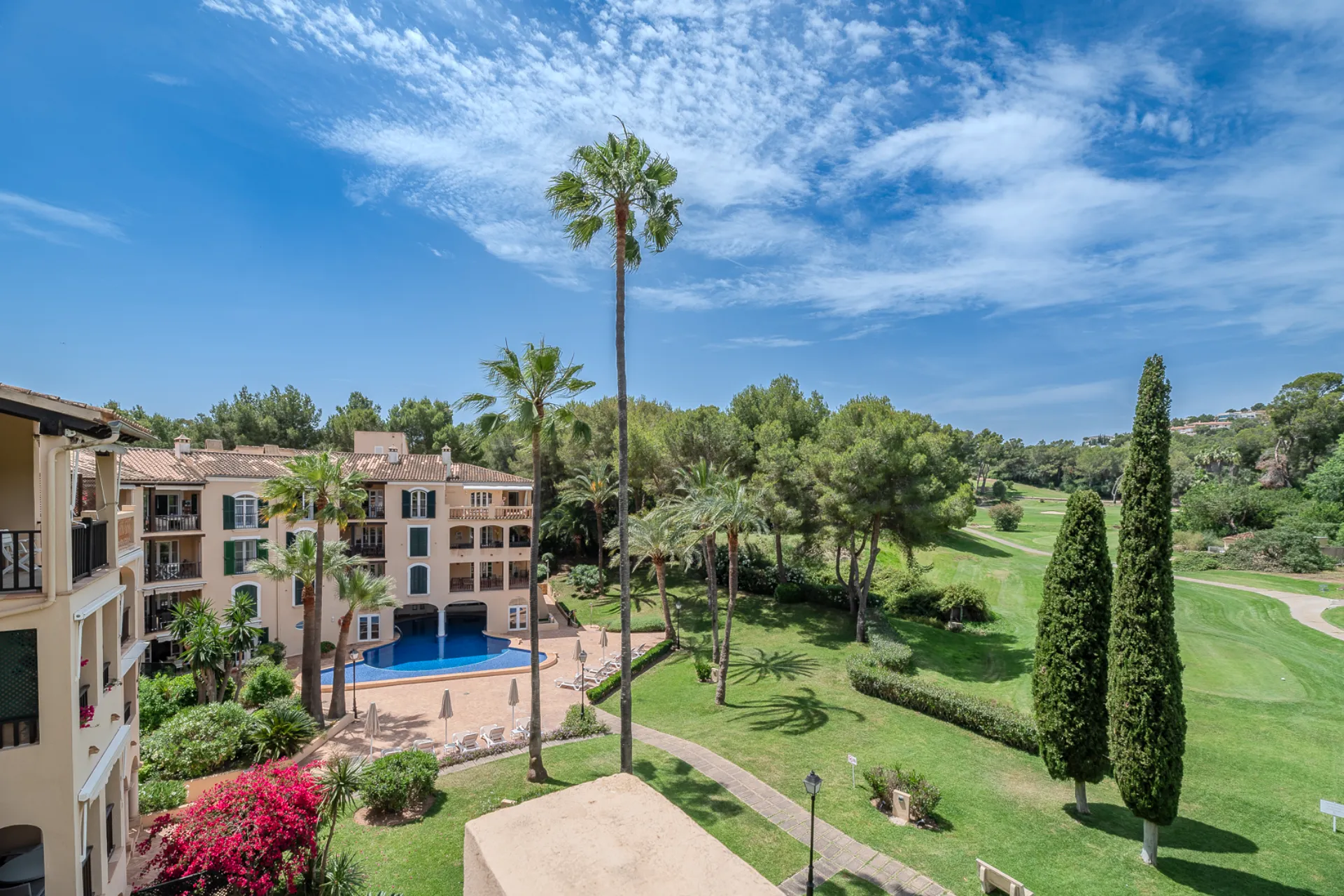
The buyer base for Mallorca deepens rather than rotates, flexible working has converted visitors into residents, and the demand profile keeps broadening.
This is the demand-side pressure behind tight supply. When more buyers want the same limited stock for longer periods of use, fewer properties return to the market casually.
Key Features
- Visitor conversion: Mallorca received roughly 13.6 million visitors in 2025, continuing to seed second-home and relocation demand.
- Foreign buyer share: Foreign buyers represented 34% of Balearic transactions in 2025.
- High-end buyer mix: Prime demand remains broad, including German, British, Spanish, Swedish, and Swiss buyers.
- North American access: US interest is rising, with a direct Palma-Montreal route launching in June 2026.
- Lifestyle relocation: Families are relocating for flexible work, 19 international schools, healthcare, climate, and year-round infrastructure.
Strengths
- Diversified demand reduces dependence on one national buyer group.
- Year-round residence converts seasonal interest into deeper, more stable housing demand.
- Equity-driven buyers are less exposed to rate cycles than highly financed buyers.
Weaknesses
- Intensifies competition for limited stock, especially renovated homes in established areas.
- Pushes prime asking ranges higher when demand concentrates around the same property types.
- Lengthens search timelines for buyers with specific location, condition, view, or licensing requirements.
Who It’s For
This market suits buyers planning long-term ownership who can move decisively once the right property has passed proper due diligence. It is less comfortable for buyers who need abundant choice, slow negotiation, or repeated second chances on the same type of home.
Property Supply in Mallorca: Comparison of the Five Constraints
The five constraints below show why property supply in Mallorca remains tight even when construction activity rises. Figures are anchored to 2025 data from the Engel & Völkers Balearic Report 2025-26.
| Constraint | Type | Key Figure | Market Impact | Buyer Implication |
|---|---|---|---|---|
| Protected land | Structural / regulatory | ~32% of Balearics (~47,600 ha) | Caps developable inventory | Premium on existing renovated stock |
| Strict planning and licensing | Regulatory | Long approval timelines; ETV freeze | Slows refurbishment and new builds | Patient capital wins |
| New construction pace | Supply pipeline | 3,631 Mallorca starts in 2025 (+34.5%) | Incremental relief, still below demand | Specification premium |
| Owner holding behaviour | Market behavioural | Low turnover; succession-tax exemption | Thin visible inventory | Advisor relationships matter |
| Deepening demand | Demand-side | 13.6M visitors; 34% foreign buyers | Intensifies competition | Decisive briefs win |
How to Navigate Tight Property Supply in Mallorca
Tight property supply in Mallorca rewards buyers who define the brief early, understand the trade-offs, and treat time as part of the acquisition budget.
Arrive with a written brief
A clear written brief surfaces a different list than a vague conversation. It should name location priorities, property type, renovation tolerance, rental expectations, budget range, and non-negotiables before viewings begin.
The brief also helps filter unsuitable stock quickly. In a constrained market, that matters as much as finding attractive homes.
Work with an advisor who has direct owner relationships
The insider reality is simple: the best stock often moves through relationships before it reaches public portals. Owners, architects, lawyers, developers, and long-standing local advisors usually know what may become available before the wider market does.
This is especially relevant in Son Vida, the north, the west, and established southwest locations. Public listings are useful, but they are not the full market.
Decide between turnkey and refurbishment early
Planning timelines mean refurbishment projects can extend 12-24+ months, especially where licensing, heritage, coastal, or environmental review is involved. A project can still be the right decision, but it should be chosen deliberately.
Turnkey homes carry a premium because they compress time, risk, and operational complexity. Buyers should decide early whether they are paying for finished condition or accepting a longer ownership path.
Budget for time as well as money
For committed buyers in this market, a realistic acquisition timeline is often 3-9 months. That includes brief development, sourcing, viewings, negotiation, due diligence, and legal coordination.
For buyers assessing the Mallorca property market, the practical advantage is structure. Reiderstad Invest works through this framework with a written brief process and off-market access, so buyers see a better-aligned list before decisions become expensive.
How We Evaluated the Causes of Tight Supply
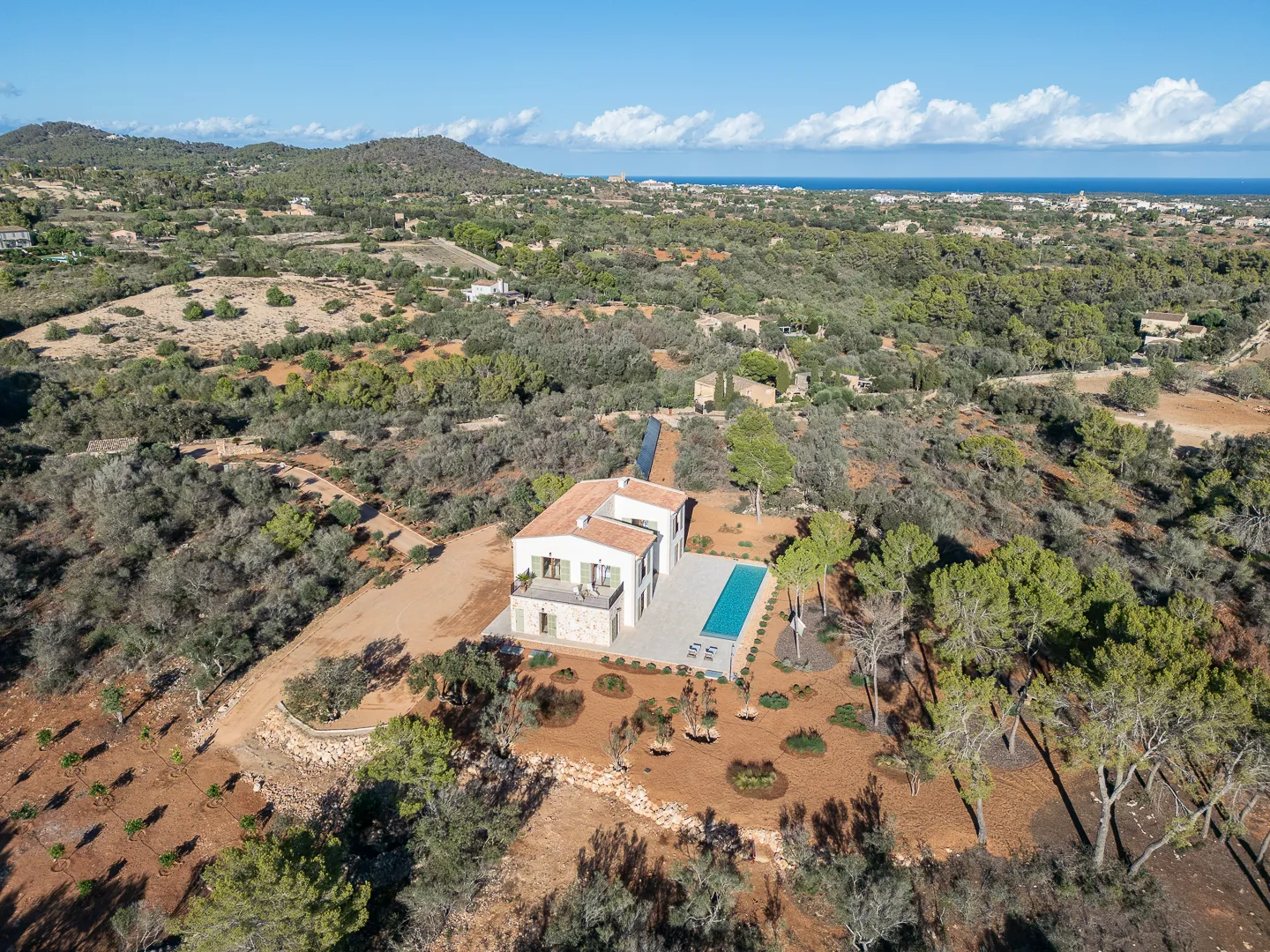
We selected the five causes by separating structural constraints from short-term market narratives. These criteria are referenced consistently across the five reason sections, so the article stays focused on what actually affects available stock.
Structural vs cyclical
We included causes that persist across market cycles: protected land, planning rules, limited construction, long holding periods, and durable demand. We excluded interest-rate commentary, election noise, and short-term sentiment unless they changed the physical or practical supply of homes.
Data sources we trust
The market figures are drawn from the Engel & Völkers Balearic Report 2025-26 and public datasets from IBESTAT, Spanish Notaries, AETIB, and INE. Where a number relates to Mallorca specifically, we treat that as more useful than broader Balearic averages.
Regional specificity
Mallorca is not interchangeable with the islands generally. Palma, the southwest, the west, the north, and the central villages each have different stock profiles, planning pressures, and buyer behavior.
This matters because a broad Balearic figure can hide the real constraint in the area a buyer is actually considering. The analysis therefore anchors figures to Mallorca wherever the source data allows.
Buyer-relevant impact
A cause only belongs in this list if it changes what a €1M+ buyer actually sees on the market. That means fewer viable listings, longer search periods, higher competition for renovated homes, or a greater need for off-market access.
For international buyers, tight supply is not an abstract market condition. It affects the brief, the viewing strategy, the negotiation position, and the level of due diligence required before committing.
Frequently Asked Questions
Will property supply in Mallorca loosen in the next few years?
No, not materially. Protected land, strict planning rules, and long licensing timelines are structural constraints, not short-term market conditions.
New construction may add incremental supply, but it is unlikely to change the underlying shortage in prime locations. Buyers should expect more gradual additions than a broad loosening of inventory.
Are new-build properties solving the supply shortage?
New builds are helping at the margin, but they are not solving the supply shortage. Mallorca recorded 3,631 housing starts in 2025, up 34.5% year-on-year, but that remains modest relative to demand.
New-build supply is also geographically concentrated. It does not fully address scarcity in established areas where land, planning, and owner holding behaviour keep supply tight.
Why don’t more owners sell when prices are this high?
Many owners do not need to sell. Mallorca’s prime market has a large equity-driven high-net-worth ownership base, and many properties are held for long-term lifestyle use rather than short-term gain.
The Balearic succession-tax exemption for close family inheritance, extended in 2025 to lifetime gifts, also reduces forced-sale pressure. Strong rental income can further support holding rather than selling.
How much of Mallorca is actually buildable?
In broad terms, around 68% of the Balearics is not protected land, but that does not mean it is all practically buildable. Coastal setbacks, zoning, slope, infrastructure limits, and environmental rules further reduce usable development land.
This is why the headline protected-land figure understates the real constraint. A parcel can be outside a protected area and still be difficult, slow, or uneconomic to develop.
Does tight supply mean a market correction is coming?
Tight supply alone does not imply a correction. Mallorca’s recent dynamics are driven by structural constraints, long owner holding periods, and diversified demand rather than a simple speculative cycle.
Ten-year price growth has been around 85% per square metre, without a clear boom-bust pattern in the available market data. That does not remove price risk, but it suggests the current supply-demand balance is not purely speculative.
What is off-market property in Mallorca and why does it matter?
Off-market property in Mallorca refers to homes available through advisor relationships before they appear on public portals, or without being publicly listed at all. This can happen when owners prefer discretion, are testing interest, or only want to speak with qualified buyers.
It matters more in a supply-constrained market because public listings show only part of the available stock. In prime areas, relationships often determine which buyers hear about the right property first.