
Introduction
For international buyers weighing where Mallorca truly fits long term, living in Serra de Tramuntana is often about choosing structure over noise: a more private, more authentic rhythm, shaped by the mountains rather than the coast.
The Serra de Tramuntana is a UNESCO World Heritage site, recognized for its cultural landscape of stone terraces, traditional villages, and enduring agricultural systems set against dramatic terrain. In practice, that designation signals a protected character, where architecture, land use, and development tend to be more disciplined than in many high-traffic areas.
This guide focuses on what day-to-day life and property ownership look like across the Tramuntana: access, amenities, micro-locations, and the practical considerations that matter when you are buying for quality, not just for a season.
How to buy property in Mallorca (step-by-step) ⇒
The Realities of Ownership: What to Know Up Front
Ownership in the Serra de Tramuntana is defined by limited supply, higher asking prices in prime pockets, and stricter planning controls tied to its UNESCO-protected landscape, so your timeline and renovation expectations need to be realistic from day one.
Key Facts for Tramuntana Buyers
| Topic | Quick reference | Practical implication for buyers |
| Typical budgets (West Mallorca market) | Asking prices vary by location tier: Top location typically above €3.2M, Very good around €2.2M, Good around €1.36M | Budget planning should include micro-location tradeoffs, views, access, and conditions that can move a home between tiers quickly |
| Buyer demographics (typical) | International buyers, often 40–65, commonly from Northern Europe, the UK, and the US, typically buying for primary residence, second home, or long-term investment | Expect analytical decision-making, longer timelines, and a preference for quality, privacy, and predictable ownership |
| Common property types | Rustic fincas and historic townhouses are common formats in the region | Condition, access, utilities, and renovation scope can vary widely, diligence on technical and legal status matters early |
| Primary constraints | UNESCO context means stricter building licenses and tighter development rules | Renovations and extensions can be more constrained; plan for permitting complexity and longer lead times before committing to a scope |
| Availability and value dynamics | Limited availability of homes in protected areas | Scarcity can support long-term value retention, but it also reduces choice and increases competition for the right asset |
| Connectivity baseline | Fast internet is available to most Balearic households (98%) | Remote work is generally feasible, but buyers should still verify line quality and service options at the specific property |
For long-term buyers, the Tramuntana tends to work best when the goal is stable ownership and a calm, high-quality day-to-day environment, not rapid turnaround or aggressive change. The region rewards buyers who are comfortable with thoughtful planning, disciplined project scopes, and a more conservative approach to what can and cannot be altered. This is also where an end-to-end partner like Reiderstad Invest can reduce friction by coordinating acquisition, technical due diligence, project management, and ongoing ownership logistics under one structure.
Choosing Your Village: Lifestyle and Atmosphere
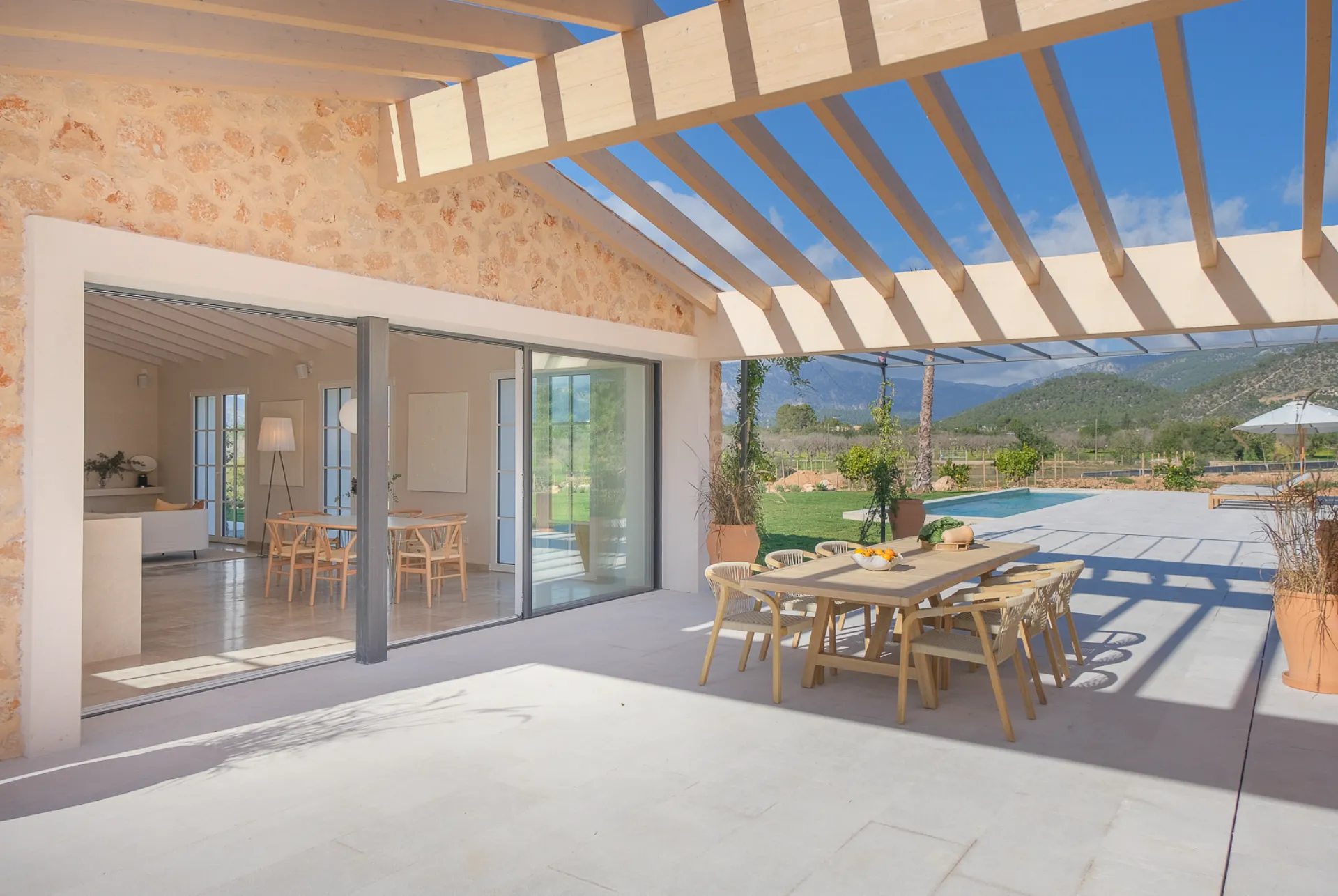
In the Tramuntana, village choice is rarely about a single view or a single street. It is about how you want the week to feel in the off-season: access to services, pace, privacy, and how quickly you can reach Palma when you need to.
Across West Mallorca, demand is strongly international (commonly Americans, Scandinavians, British, Germans, and Canadians). That mix tends to support longer stays and year-round use, but each village still has a distinct profile.
Sóller and Port de Sóller
Sóller is often the most balanced choice for buyers who want mountain living without giving up day-to-day convenience. It has a more year-round, cosmopolitan feel than many Tramuntana villages, with a broader base of services and a steady local rhythm beyond peak months.
Port de Sóller adds direct sea access and a different daily pattern: mornings by the water, evenings back in the valley, or vice versa. For many owners, the pairing is the point; you can keep the privacy and scenery of the mountains while still having a clear route to the beach and waterfront dining.
What tends to fit well here:
- Buyers planning extended stays who want restaurants and services to remain active outside of summer
- Families who need practical infrastructure, not only ambiance
- Owners who want optionality: mountain home feel with coastal access close by
Deià
Deià is defined by discretion, low inventory, and a long-standing artistic legacy that still shapes how the village is perceived and preserved. It draws buyers who prioritize privacy and a strong sense of place over convenience.
It is also widely considered the most expensive village in the Tramuntana. In practical terms, that typically means fewer suitable options at any given time and a higher bar for property readiness, legal clarity, and renovation feasibility before you move forward.
Deià tends to suit:
- Buyers seeking exclusivity and a quieter social footprint
- Owners are comfortable with a smaller service base in exchange for character and privacy
- Those who value long-term holding quality over short-term flexibility
Valldemossa
Valldemossa offers historic charm with comparatively straightforward access to Palma, which can be a deciding factor for owners who need a reliable connection to the airport, schools, healthcare, or business commitments.
The village has a strong visual identity and a protected feel, which appeals to buyers who want classic Tramuntana architecture and a cohesive environment. For many, it is the best compromise between mountain atmosphere and logistical simplicity.
Valldemossa tends to work well for:
- Buyers who want a primary or semi-primary base with regular Palma trips
- Owners who value heritage character but still want practical access
- Those who prefer a calmer setting without feeling fully remote
Fornalutx and Banyalbufar
Fornalutx and Banyalbufar appeal most to buyers who actively want remoteness and authenticity. These are places where the landscape leads and the schedule follows: fewer shortcuts, fewer spontaneous errands, and a more deliberate pattern to everyday life.
Fornalutx typically feels like a compact, traditional village experience in the mountains. Banyalbufar leans even more toward a quiet, coastal-mountain edge with a slower pace. In both, the upside is clear: privacy, low noise, and a strong sense of local continuity. The tradeoff is convenience, especially if you expect frequent Palma access or a wide choice of services.
These villages tend to suit:
- Buyers who prioritize tranquility and long, uninterrupted stays
- Owners are comfortable planning shopping, maintenance, and travel more proactively
- Those who see authenticity as a core requirement, not a bonus
The Tramuntana Property Market and Pricing Landscape
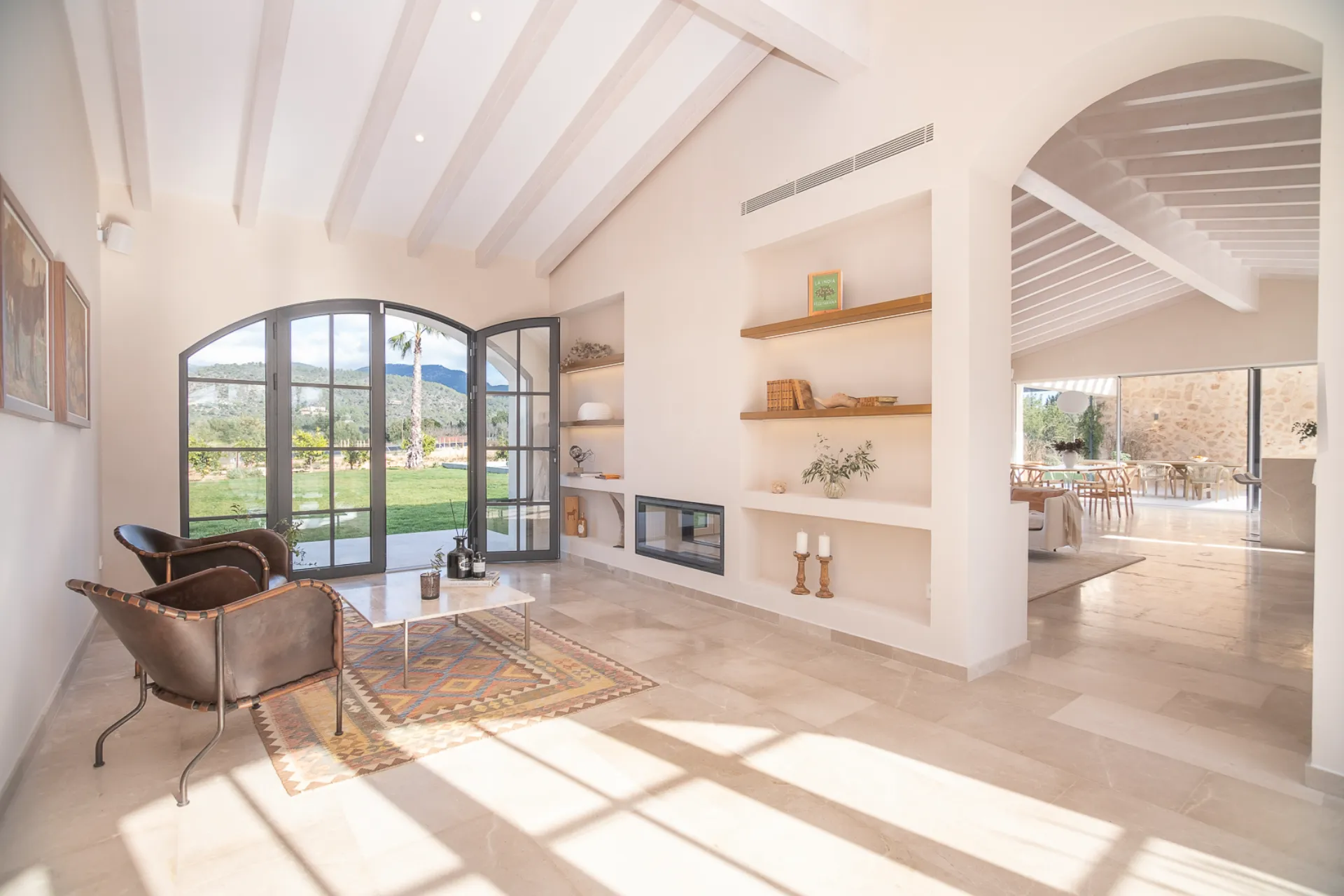
The Serra de Tramuntana market is generally not a value segment of Mallorca. It is a scarcity-led market where pricing is shaped by protected landscapes, limited buildable land, and a buyer profile that is willing to pay for long-term livability.
In West Mallorca, broad entry points for average locations are commonly in the €850k to €1M range, with good locations around €1.36M. Prime, top locations can sit above €3.2M, particularly where privacy, views, and architectural quality align.
Two forces typically explain why pricing stays resilient here:
- Severely limited new supply: The UNESCO-protected status translates into stricter planning and building permissions, and fewer opportunities to create new inventory at scale. That constraint tends to support long-term price stability, even when the wider market becomes more price sensitive.
- High bar for comparable alternatives: Many buyers looking at the Tramuntana are comparing it to other low-density, high-character areas rather than to mass-market coastal zones. As a result, the set of true substitutes is smaller.
For buyers, this creates a practical implication: the best-aligned properties often trade quickly and quietly. Even when a listing appears publicly marketed, viewings and negotiations may happen through private channels or prequalified buyer networks, and some homes effectively sell before a visible open day or broad marketing phase. If certainty and reduced execution risk are priorities, being prepared to act decisively, with your legal and technical checks structured in advance, matters more than trying to time the market.
Overall, the Tramuntana pricing landscape makes the most sense for buyers seeking certainty and capital protection, with lifestyle use as the primary return. It is less suited to short-term speculation because supply constraints and permitting realities can limit rapid repositioning, and the buyer pool tends to reward quality, compliance, and long-term ownership readiness.
Navigating UNESCO Building and Renovation Rules
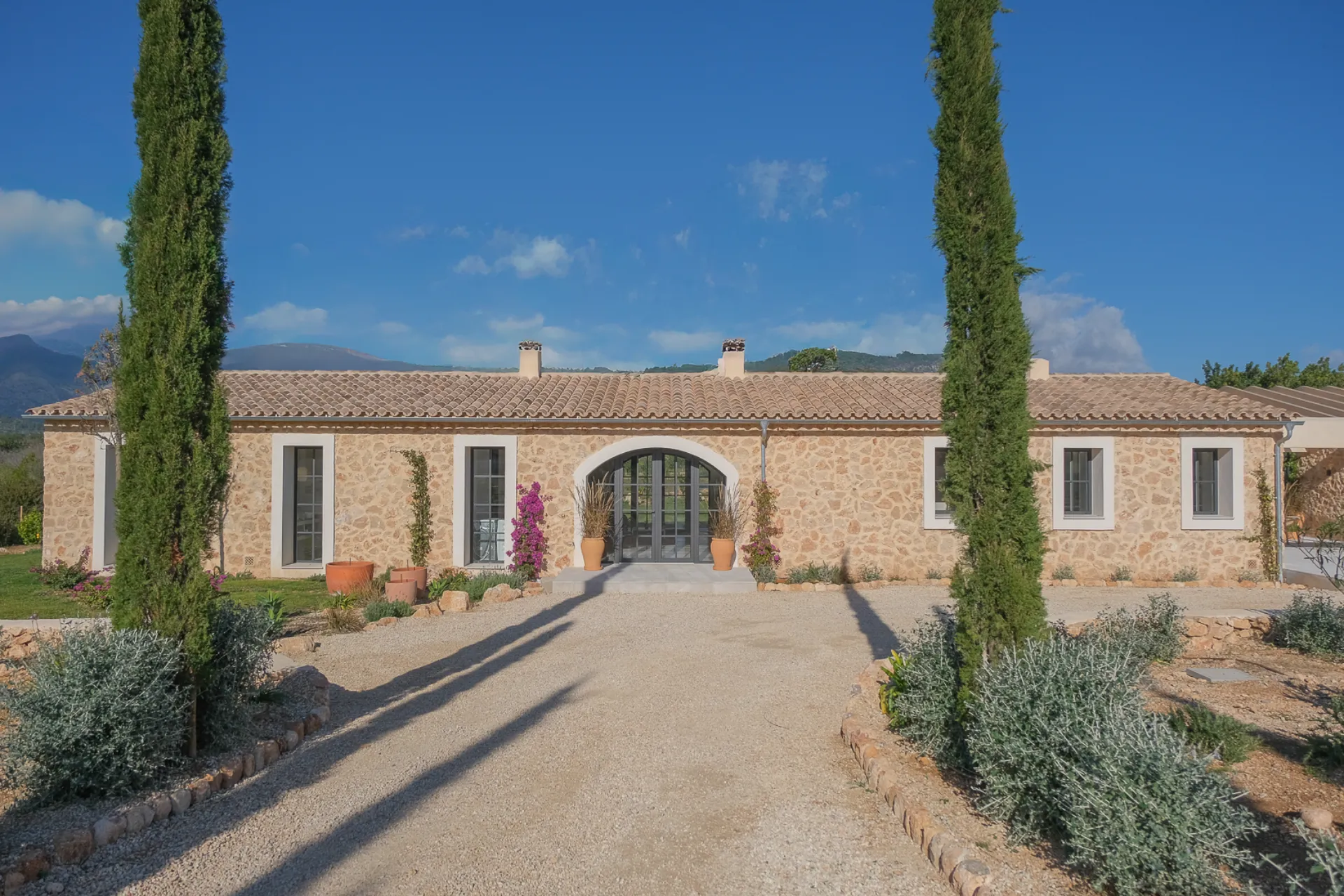
In the Serra de Tramuntana, the UNESCO-protected status is not just a label. It has practical consequences for what you can build, how you can renovate, and how long approvals may take. New builds and heavy modifications are more restricted, and buyers often underestimate how much local compliance influences scope, sequencing, and budget control.
Renovation work also tends to be judged against aesthetic and heritage expectations. In many cases, that means respecting local architectural language rather than introducing fully contemporary exterior changes. Typical examples include maintaining stone facades and traditional details such as green shutters, where required or expected by local planning norms.
The result is a region where patience and precision matter. Even when a project is technically feasible, moving from idea to permits to execution can be slow if documentation, drawings, contractor coordination, or municipality requirements are not handled with discipline.
Why You Need a Local Partner
A single accountable local partner reduces two common risks: fragmented decision-making and permit-driven delays that cascade into contractor schedules, temporary accommodation, and overall timelines.
In practice, a strong project management setup should provide:
- One plan, one sequence: A clear scope that matches what is realistically approvable, with dependencies mapped before trades are booked.
- One point of accountability: Someone who coordinates architects, builders, and specialists so that responsibility does not disappear between parties.
- Compliance-led design control: Early alignment between design intent and local rules, reducing late-stage redesign when officials or technical reviewers push back.
- Predictable reporting: Regular, structured updates so you can make decisions without micromanaging from abroad.
For international buyers, this is less about accelerating a process that cannot be rushed and more about maintaining control and predictability while the process runs. Reiderstad Invest’s integrated model aligns with that need by connecting acquisition, renovation planning, execution management, and ongoing ownership support under one structure.
Day-to-Day Practicalities: Schools, Commutes, and Connectivity
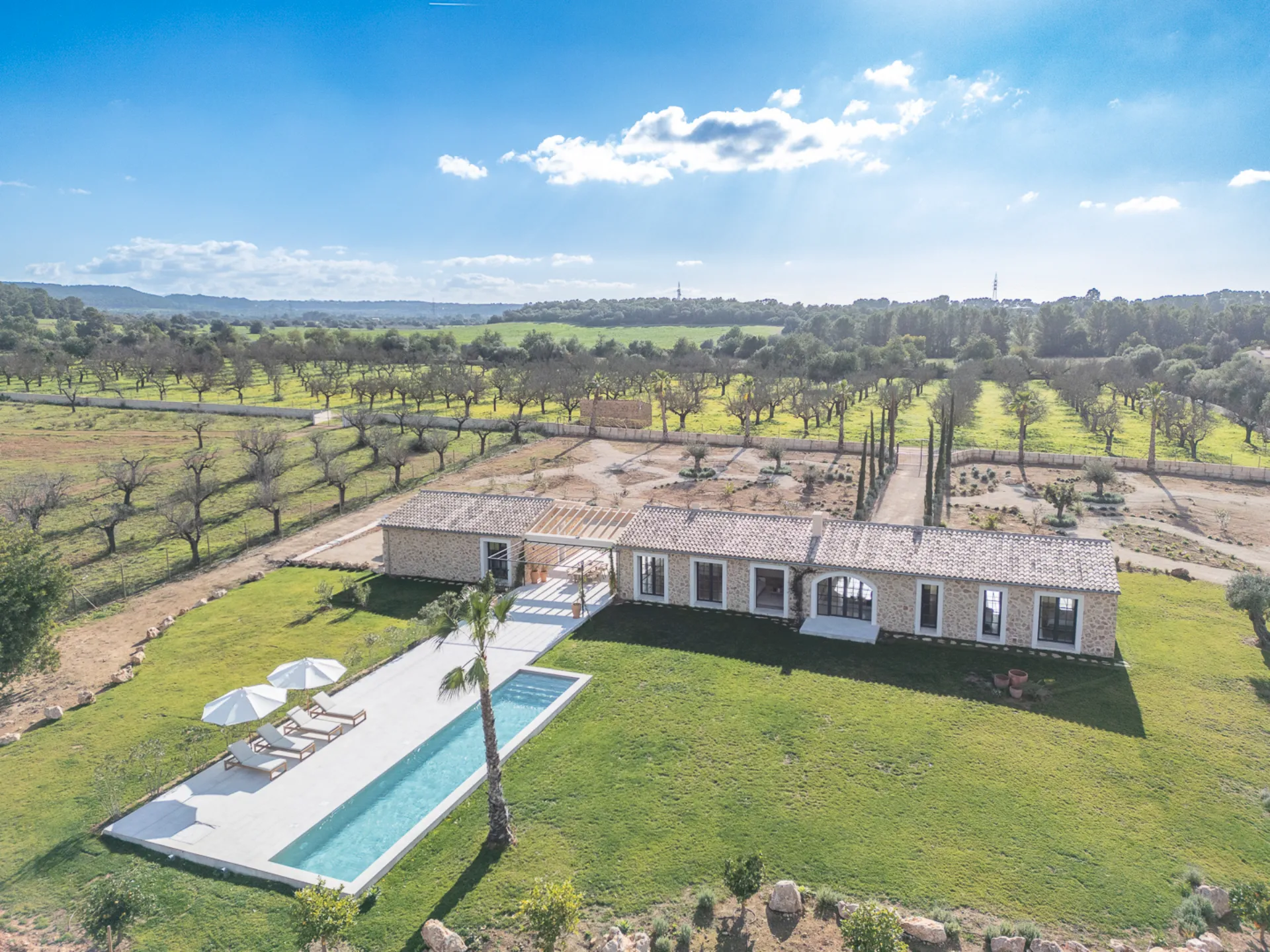
Year-round living in the Tramuntana is entirely workable, but it is not a walk-everywhere setup. The landscape is the point, and it comes with winding mountain roads, longer drive times, and a clear need for a reliable car for daily errands, school runs, and airport access.
Commutes to Palma and the airport are realistic for many owners, but they are more about consistency than speed. Routes can be slower than the distance suggests because of curves, elevation changes, and seasonal traffic patterns in certain corridors. If you plan to use the home as a true base (not only weekends), it is worth stress-testing your typical week: early flights, evening dinners in Palma, and winter driving conditions.
Education is usually the main logistical constraint for families. The Tramuntana villages have local schooling options, but international schools typically require a commute. Options referenced by buyers include Myschool in the north and Escola Global, both of which imply daily driving and careful route planning from your chosen village. For many families, school logistics become a deciding factor in whether they choose a more connected hub (such as Sóller) or a more remote village.
Connectivity is one of the stronger practical advantages. Fast internet access is widespread in the Balearics (98% of homes), which makes the region viable for remote executives who need stable video calls and predictable workdays. The remaining diligence is property-specific: confirm the actual line and provider options at the address before you commit, especially for more rural fincas.
From a travel standpoint, Mallorca also works well as a base for international professionals. Typical flight times to major European hubs are short (for example, London around 2:20h, Frankfurt around 2:00h, and Zurich around 1:50h), which can make regular business travel feasible when paired with a realistic plan for airport transfers from the mountains.
Long-Term Property Management and Maintenance
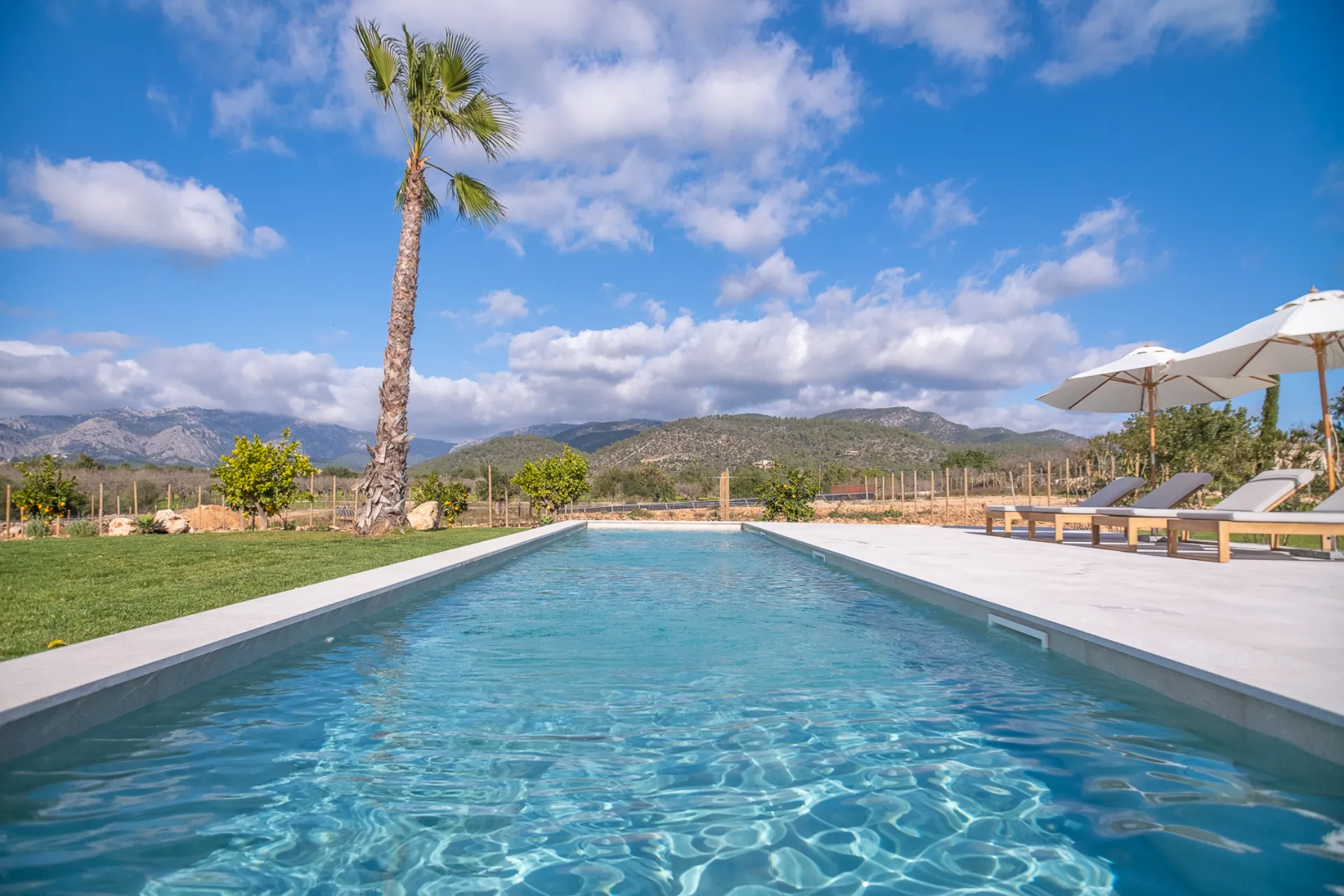
Owning in the Tramuntana is often more operational than owning an apartment near Palma. Many homes are older stone properties or rural fincas, and the environment is slightly cooler and damper in winter, which changes how you plan maintenance if you are not on the island full-time.
The recurring realities tend to fall into a few predictable categories:
- Moisture and winter readiness: Cooler, damper winter conditions can increase humidity-related issues if a house is not aired, heated, and checked regularly. Preventive routines (ventilation strategy, dehumidification where needed, and periodic inspections) matter more than reactive fixes.
- Outdoor upkeep: Gardens, terraces, pools, and irrigation systems require continuous attention, especially for rural plots. Without a schedule, small issues become expensive projects.
- Access and service coordination: Mountain locations can make trades, deliveries, and site access more complex. Getting the right contractor at the right time is often the difference between a controlled maintenance plan and ongoing disruption.
- Security and occupancy management: A home that sits empty between visits needs reliable checks, alarm response coordination, and clear protocols for keys, deliveries, and authorized access.
For absentee owners, the main risk is fragmentation. If acquisition, renovation decisions, furnishing, and ongoing care are handled by separate parties, responsibility becomes unclear, and small problems can sit unresolved until they become urgent.
This is where an integrated partner adds measurable calm. A single team that supports acquisition, design decisions, project execution, and ongoing property management can keep documentation consistent, align maintenance with the actual build and materials, and create predictable reporting while you are abroad.
For clients who choose to rent out their home, that structure becomes even more important: weekly holiday rental rates in the West can range from €4,500 to €30,000, and protecting both the asset and the guest experience typically requires professional-level operations rather than ad hoc coordination.
Structuring Your Tramuntana Purchase
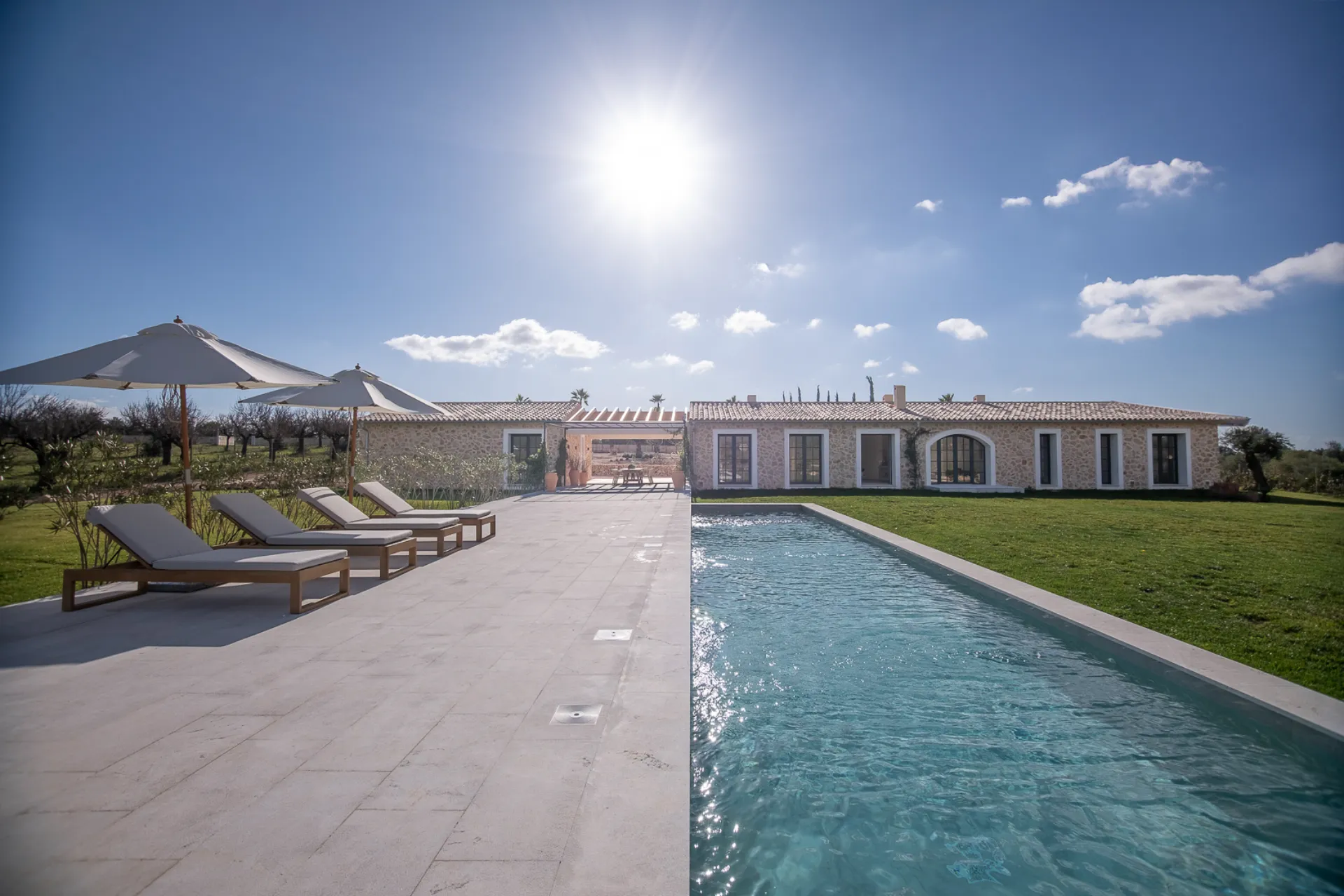
Buying in the Serra de Tramuntana is usually a deliberate decision, not an opportunistic one. The market rewards clarity: knowing which village fits your week-to-week life, what level of renovation you can realistically permit, and how much operational responsibility you want to carry as an owner.
Discover the step-by-step process for buying property in Mallorca ⇒
A practical way to structure the decision is to pressure-test four elements before you go deep on listings:
- Lifestyle fit: Choose the village based on year-round livability (services, privacy, access), not peak-season impressions.
- Asset fit: Be honest about whether you want a turnkey home, a light refresh, or a true renovation within UNESCO constraints.
- Logistics fit: Map real routines: Palma and airport drives, school commutes, remote work requirements, and winter living.
- Ownership fit: Decide how the property will run when you are away, including maintenance, security, and optional rental management.
Execution also matters. In scarcity-led micro-markets, demonstrating readiness can be decisive: having proof of funds or financing clarity, responding quickly, and being organized enough to move from viewing to due diligence without delay. Just as important, serious buyers often gain access through relationships and process: clear introductions, consistent follow-up, and asking to be included in pre-market or cancellation lists rather than waiting for public open days.
If your priority is control and predictability, the simplest next step is to work with an end-to-end advisory partner who can manage the full chain: search strategy, negotiation, legal and technical coordination, renovation planning, and long-term property care. This is the approach Reiderstad Invest is built around, one accountable structure that stays involved well beyond the closing.
Frequently Asked Questions
Is it cold in the Tramuntana mountains in winter?
Winter in the Tramuntana is typically cooler and damper than coastal Mallorca, especially in higher or more shaded areas. Many stone homes also feel colder if they are not consistently heated, ventilated, and checked during periods of low occupancy.
Can I build a swimming pool in the Serra de Tramuntana?
Pool construction can face strict limitations in the Serra de Tramuntana because the UNESCO-protected context restricts new builds and heavy modifications. Feasibility depends on the specific property and permissions, so it should be confirmed early through local technical and legal checks before you assume it is possible.
Do I need a car if I live in a Tramuntana village?
A car is generally essential for day-to-day life in the Tramuntana, particularly for errands, school runs, and reliable access to Palma and the airport. Local bus routes exist in some areas, but they rarely provide the flexibility most year-round residents and second-home owners need.