Key Highlights: Living in Mallorca Like a Local
- A daily rhythm shaped by light and nature: With around 300 days of sunshine per year, life naturally moves outdoors, long lunches, evening walks, swimming, cycling, and time spent at home feels calmer and more intentional.
- Compact, but not confined: Beaches, mountains, villages, and Palma’s cultural life all sit within practical reach. You can shift between urban energy and total privacy without changing countries or time zones.
- International, but grounded: Mallorca has long-established Northern European, UK, and US communities, alongside a strong local culture. It’s easy to settle in socially, but it still feels distinctly Mallorcan rather than transient.
- Well-connected for modern life: Palma de Mallorca Airport offers frequent year-round connections to major European cities, making it realistic to combine island living with business, family, and schooling abroad.
- A lifestyle decision more than a financial one: For most long-term residents, the real return is measured in quality of life, time with family, and continuity across years, not just property performance.
Introduction
Mallorca, the largest of the Balearic Islands, has a way of feeling familiar very quickly. Sea and mountains share the same horizon, daily life unfolds at a human pace, and even ordinary routines often take place outdoors. For many international buyers, it’s the first place that doesn’t just feel like a great destination, it feels like somewhere life could actually work.
Living in Mallorca, however, is a different decision from visiting. The transition from tourist to resident brings practical questions about seasonality, infrastructure, property ownership, and how to manage a home in Spain without friction.
This guide is designed for that shift, helping you think like a long-term resident, not a short-term visitor, with clarity around lifestyle choices, property realities, and the structures that make island living sustainable.
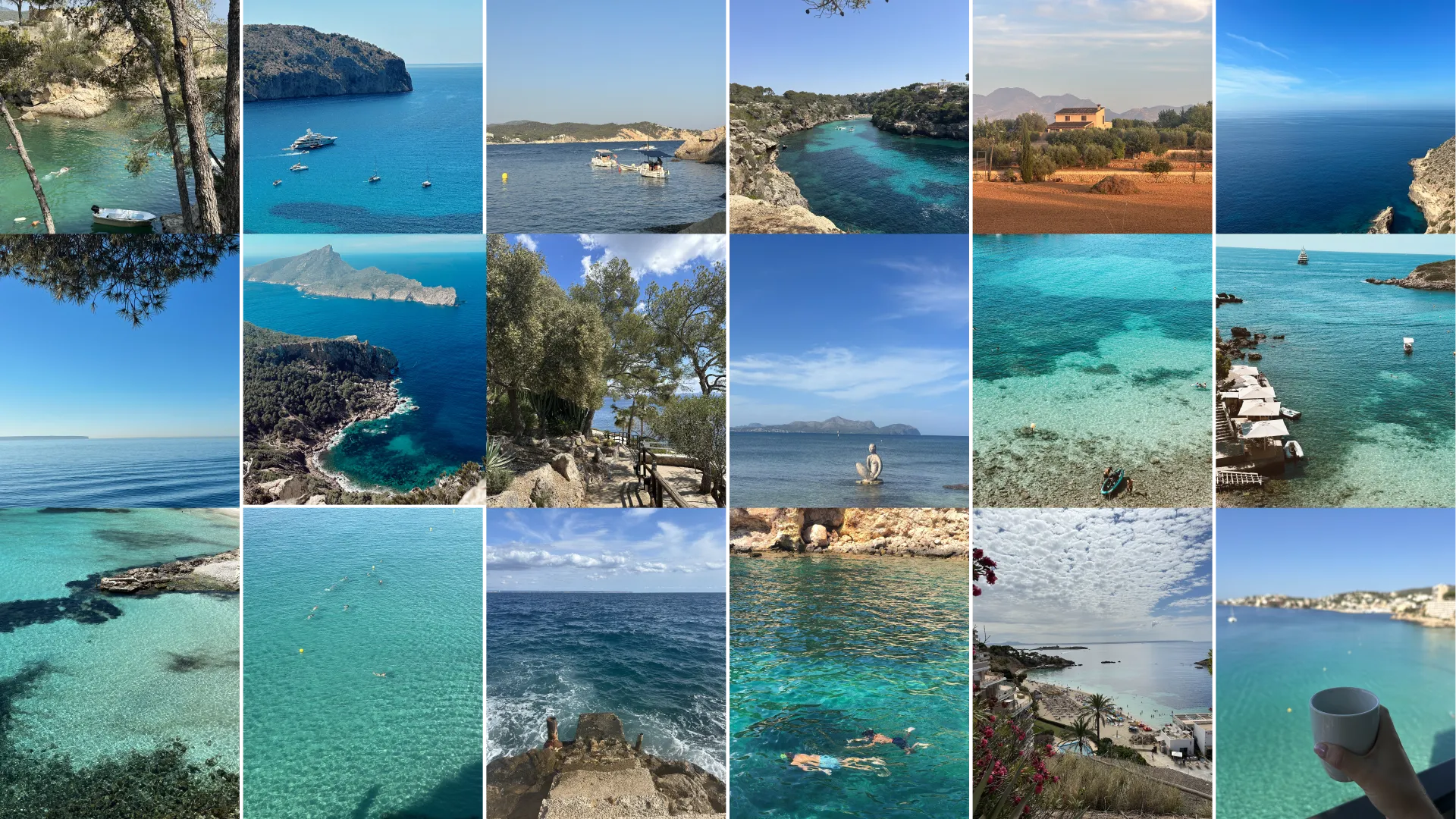
Life in Mallorca: At a Glance
Pros of Island Life
- Safety and day-to-day ease: Mallorca generally feels orderly and comfortable for families and part-time residents alike, with a strong focus on outdoor living. Spain consistently ranks among Europe’s safer countries for residents, and Mallorca benefits from low violent crime rates and a strong local police presence, particularly in residential and family-oriented areas.
- Climate and lifestyle: Long, bright seasons support a health-forward routine, beaches (like the famous Es Trenc), walking, cycling, and dining that naturally move outdoors. Mallorca enjoys roughly 300 days of sunshine per year, with average summer temperatures in the high 20s °C and mild winters that often stay between 10–16 °C
- Connectivity: A well-connected airport makes it realistic to maintain business, family, and school ties across Europe and beyond. Palma de Mallorca Airport offers year-round connections to major European hubs, with typical flight times of around 2 hours to Paris, 2.5 hours to London, and under 3 hours to most Northern European capitals.
- International community: In many areas, you’ll find established Northern European, UK, and US networks, as well as international schools and services geared toward foreign residents. This depth means international residents are not concentrated in a single enclave, but spread across Palma and several established residential areas.
- Variety in a compact footprint: Palma’s culture and restaurants, coastal villages, and rural fincas can all be within practical reach, allowing you to tailor your “Mallorca” to your stage of life. In practice, many of these environments sit within a 30–45 minute drive of each other, depending on location and season.
- Lifestyle and legacy value: For many buyers, the return is measured in time, memories, and a permanent base for family; this can be compelling even when the decision is not optimized for purely financial performance.
Challenges to Anticipate
- Spanish bureaucracy: Administrative processes can feel document-heavy and slower than Northern Europe or the US; expect longer lead times than in Northern Europe or the US, and plan on using local legal and administrative support.
- “Island time” pace: Service, contractor timelines, and problem resolution may be less immediate than you’re used to, particularly in peak season.
- Cost of living in premium areas: The most sought-after coastal pockets and prime Palma neighborhoods can be expensive, not just for property but also for ongoing services and maintenance. In prime locations, monthly living costs can align more closely with other high-end Mediterranean or Western European lifestyle destinations than with mainland Spain.
- Seasonality: Some locations feel quieter in winter and highly saturated in summer; your neighborhood choice should match how you plan to live, not just how it feels in July.
- Ownership realities: A second home brings ongoing responsibilities, maintenance, management, and taxes; the emotional upside can be significant, but it is best approached as a lifestyle decision first, not a simple financial comparison.
The Rhythm of the Island: Seasonality
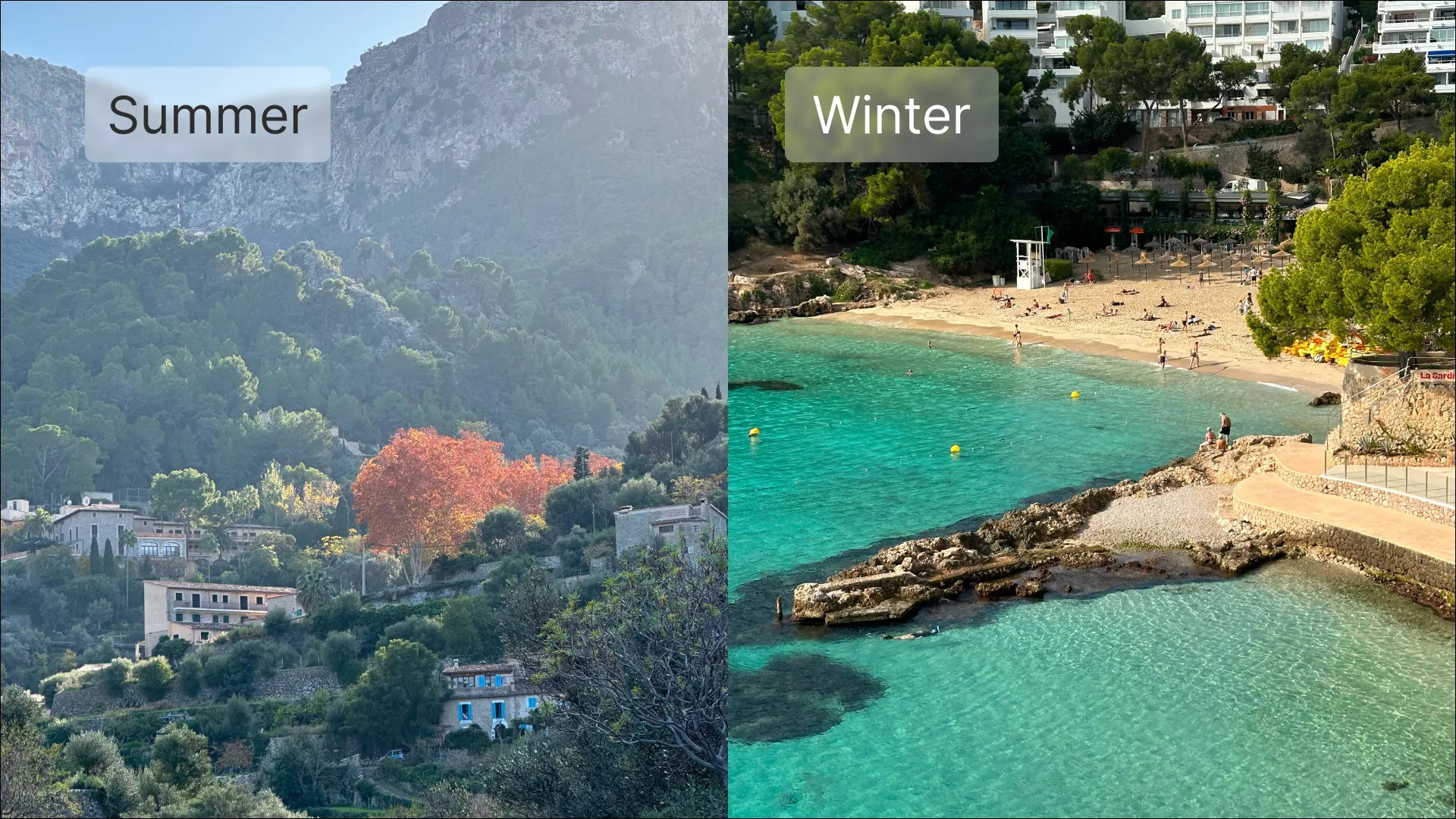
Summer Intensity
| Mallorca in Summer (June–September) | |
|---|---|
| Average daytime temperature | ~28-+32°C (hotter inland) |
| Average nighttime temperature | ~20-24°C |
| Sea temperature | ~24-27°C |
| Tourism level | High, peak pressure in July–August |
| Atmosphere | Social, high-energy, event-heavy |
| Daily rhythm | Late dinners, busy beach days, reservations matter |
| Traffic and logistics | Coastal roads and hotspots can feel crowded, planning helps |
| What’s open | Everything, long opening hours, full service levels |
| Best fit for | Short-stay trips, entertaining, marina and beach-club life |
From late spring through early fall, Mallorca runs at full volume. Beach clubs and marinas come alive, restaurant reservations matter, and coastal roads can feel surprisingly busy for an island. It’s a glamorous, social season, ideal if you enjoy energy, events, and effortless outdoor living until October.
For homeowners, this period also changes the practical use of a property. Locations close to Palma, international schools, and year-round services tend to support flexible, short-stay weekends. More remote coastal or countryside settings often work best for longer, slower stays, when you can fully settle in and avoid peak-day traffic patterns.
The Winter Reset
| Mallorca in Winter (December–February) | |
|---|---|
| Average daytime temperature | ~10-+20°C |
| Average nighttime temperature | ~5-10°C |
| Sea temperature | ~14-16°C |
| Tourism level | Low, mostly residents and long-stay visitors |
| Atmosphere | Quiet, spacious, more local |
| Daily rhythm | Earlier evenings, hiking and cycling season, calmer pace |
| Traffic and logistics | Easy driving and parking, less friction day-to-day |
| What’s open | Palma stays active, some resort areas reduce hours or close |
| Best fit for | Long stays, nature routines, “real island life” evaluation |
Winter is when many future residents fall in love with Mallorca for real. The island turns calm and spacious: cooler days for hiking in the Tramuntana, cycling on quieter roads, and long walks on beaches that feel almost private. Palma remains lively with galleries, restaurants, and everyday city rhythm, but the overall pace softens.
The key is location. Some coastal resort areas and seasonal businesses reduce hours or temporarily close, which can create the “ghost town” feeling if you buy in a purely holiday-driven pocket. If you’re planning year-round living, prioritize areas with stable local communities and reliable infrastructure every month. This is also when the island’s authenticity is most visible, and for many owners, it’s what makes the lifestyle feel exclusive rather than empty.
Where to Live in Mallorca: Choosing Your Area
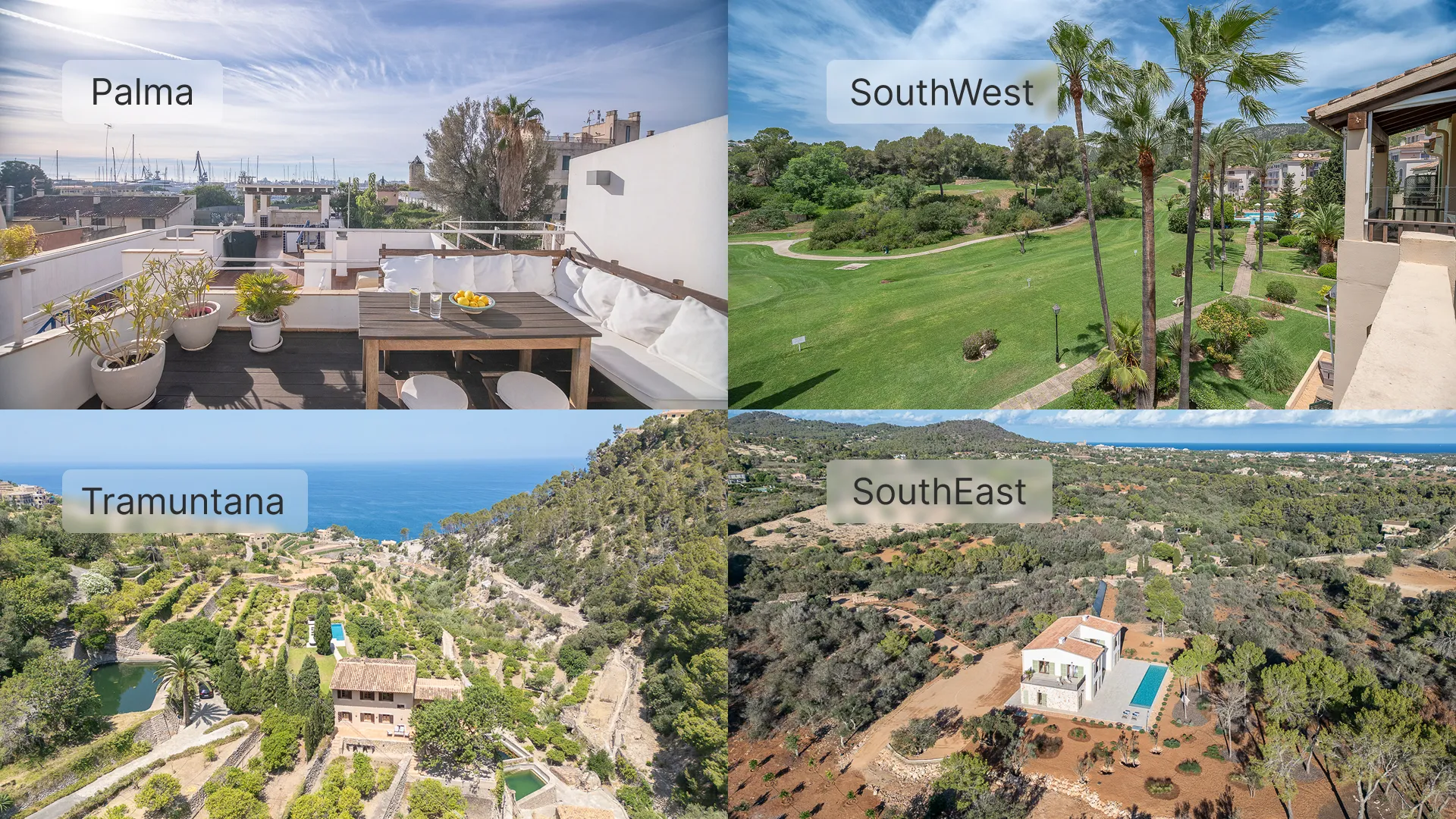
Choosing where to live in Mallorca is less about the “best” town and more about how you’ll actually use the island. Start with your non-negotiables, year-round services, school requirements, walkability, marina access, or total privacy, then pressure-test them against drive time to Palma and the airport. For many international owners, that connectivity determines whether a home feels effortless or occasionally out of reach.
Explore our luxury properties for sale in Mallorca ⇒
Palma: Cosmopolitan Culture
Best for: Buyers who want a true primary-residence rhythm, culture on the doorstep, and minimal seasonality.
Palma is the island’s most reliable year-round base and includes local-favorite areas like Palma’s Old Town, Santa Catalina, El Terreno, and Passeo de Maritimo. It suits people who value restaurants, galleries, design, and an easy daily routine with services close at hand. If you travel often, Palma’s proximity to the airport can be a decisive advantage, especially for shorter, more frequent stays.
Lifestyle cues to look for: Walkable neighborhoods, proximity to marinas and the seafront, access to international communities and amenities that remain active in every season.
The Southwest: Luxury & Infrastructure
Best for: Families and international buyers who want infrastructure, marinas, and a polished, low-friction lifestyle.
The southwest, including areas like Bendinat, Illetas, Port Andratx, and Santa Ponsa, is built for convenience. It’s a strong fit if you prioritize international schools, established residential services, and the ability to lock up and leave without complication. The area’s connection to Palma and the airport also supports weekend use and flexible travel schedules.
Lifestyle cues to look for: Gated communities or secure apartment buildings, proximity to marinas and beach clubs, efficient access to Palma for dining, healthcare, and business needs.
The North & Tramuntana: Nature & Privacy
Best for: Buyers who want landscape, calm, and architectural character, and who accept a more deliberate pace.
In the north and along the Serra de Tramuntana (one of Mallorca’s beautiful UNESCO World Heritage sites), places like Sóller, Deià, and Pollença appeal to those who want mountain views, hiking trails, and a feeling of retreat. This is Mallorca at its most cinematic and, for many, most private. The trade-off is practical: travel times are longer, and daily life can feel less plug-and-play than in Palma or the southwest, especially if you’re balancing work, school runs, or frequent flights.
Lifestyle cues to look for: Space and views over immediate convenience, a preference for quieter winters, and a home designed for longer stays rather than quick weekends.
The Southeast: Rustic Authenticity
Best for: Buyers drawn to a slower village rhythm, local markets, and an understated, rural-coastal mix.
The southeast, with Santanyí as a reference point, suits those who want Mallorca to feel grounded and quietly stylish. It’s less about spectacle and more about texture: village life, countryside properties, and a calmer coastline. For residents, the key is ensuring your chosen pocket has the year-round essentials you’ll rely on, particularly if you plan to spend extended periods outside peak season.
Lifestyle cues to look for: A sense of community, access to everyday services, and a willingness to plan around longer drives when you want Palma’s full cultural offering.
If you share how often you expect to be on the island, whether you need international schooling, and your ideal balance of privacy versus convenience, the right region typically becomes obvious quickly. Reiderstad Invest can help translate those lifestyle priorities into a short list of areas that work in real life, not just on a summer visit.
Schedule a conversation with us here ⇒
Cost of Living & Lifestyle Standards
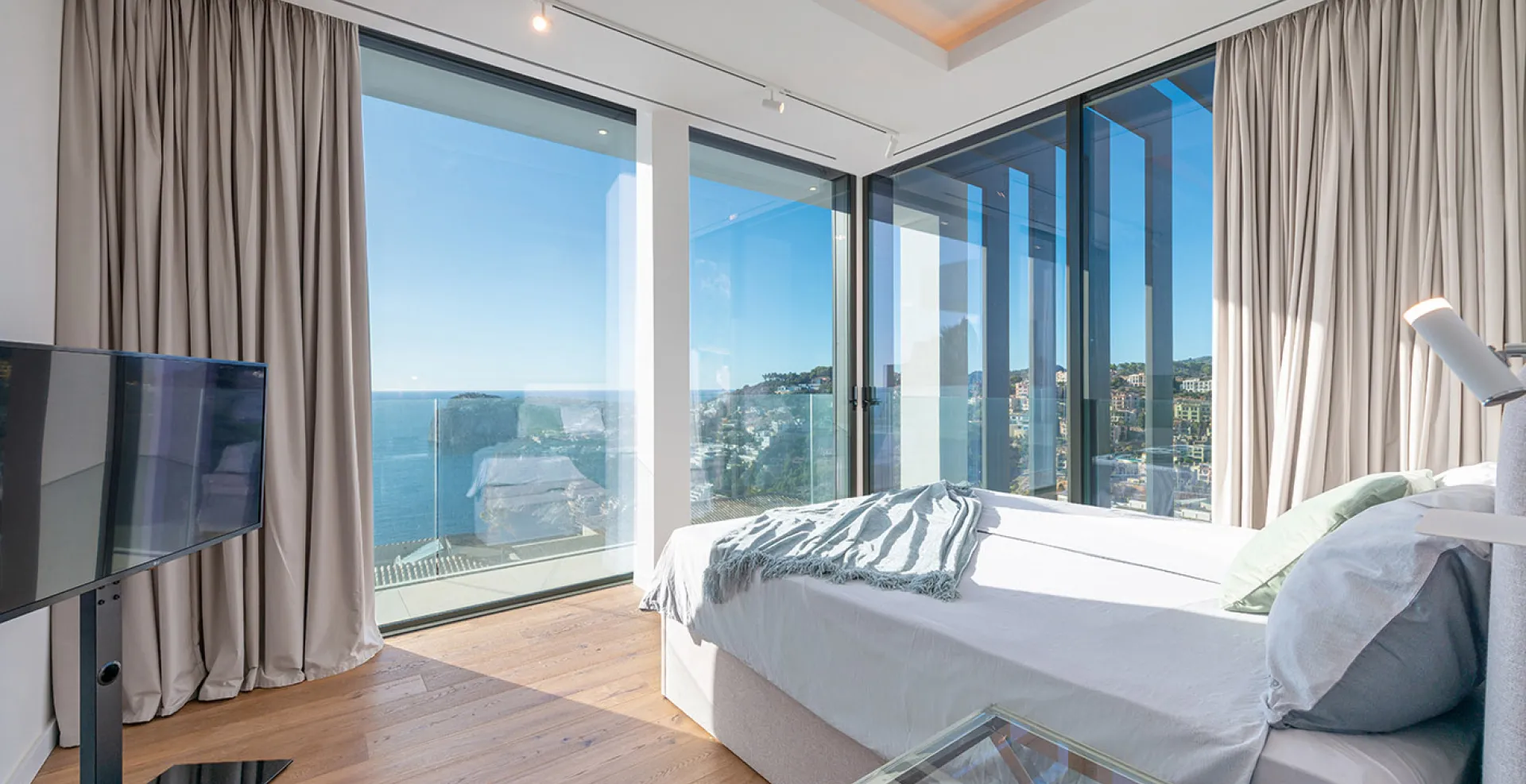
Mallorca can feel relaxed, but it is not a budget destination once you live at a high standard. The island offers an exceptional quality of life, yet the most sought-after areas, premium services, and top-tier experiences are priced accordingly. The difference between “affordable Mallorca” and “your Mallorca” often comes down to how you want your time to feel: seamless, well-served, and consistent year-round.
Here are the cost categories that matter most for high-net-worth residents and second-home owners.
Dining, social life, and everyday luxury
If your lifestyle includes Palma’s best dining, beach clubs, and marina culture in the southwest, your monthly spend will look similar to other premium European hubs. You are paying for quality ingredients, strong hospitality, and limited availability in peak months, not for bargain pricing. Seasonality also matters: summer is when reservations, minimum spends, and event calendars can elevate overall lifestyle costs.
As a rough reference point, dining regularly at higher-end restaurants, beach clubs, and marinas can easily translate into €1,500–€3,000+ per month for a couple, depending on frequency, season, and social calendar.
Private healthcare and insurance planning
Many international residents opt for private health insurance to keep access predictable and service levels consistent. The “cost” here is as much about convenience and continuity as it is about money, especially for families, frequent travelers, or anyone who prefers an English-speaking medical pathway.
Many private health insurance plans for residents fall into a broad range of approximately €60-€250+ per person per month, depending on age, coverage level, and whether international or English-speaking care is prioritized.
International schools and family infrastructure
For families, international schooling is often the single biggest ongoing lifestyle expense beyond housing. Tuition, enrollment fees, transport, and after-school activities can materially influence where you live, particularly if you want to minimize commuting and keep daily routines efficient.
As a planning range, international school tuition is commonly around €6,000 to €20,000+ per year per child, with additional costs for enrollment, transport, and activities.
Membership culture: golf, tennis, wellness, and marinas
Mallorca supports an active, structured lifestyle. Golf clubs, tennis academies, and private wellness settings are widely available, especially around Palma and the southwest. If boating is part of the plan, marina berths and ongoing boat-related expenses can become a meaningful line item, and availability can be as important as price.
Annual memberships for golf, wellness, or sports clubs can range from a few thousand euros to well into five figures, while marina berths vary widely by location and size, with demand often exceeding supply in prime ports.
Property ownership: the costs that surprise buyers
For most international owners, the real learning curve starts after completion, when the home needs to perform effortlessly in every season. Beyond utilities and standard bills, budget realistically for:
- Regular maintenance and preventative checks, especially if the home is unoccupied for periods
- Landscaping and outdoor areas, including pools, terraces, irrigation, and lighting
- Cleaning, laundry, and changeovers, even without short-term rentals
- Winter readiness and humidity management, particularly in coastal homes
- Contractors and repairs, where lead times and coordination matter as much as cost
- Staffing or concierge-style support, if you want a fully managed, hotel-level standard
Many second-home owners plan an annual operating budget of roughly 1–3% of the property’s value, depending on gardens, pools, staffing, technical systems, and how seamless they want the experience to be.
For many clients, the best way to protect the lifestyle is to treat operating costs as part of the acquisition decision. Reiderstad Invest helps buyers model the true cost of ownership early, then put the right management and service structure in place, so the property feels calm and consistent from the first day.
Infrastructure for International Residents

Mallorca’s appeal is not only aesthetic. For international residents, especially families and business owners, the island works because the underlying infrastructure is mature: schooling options are established, private healthcare is strong, and flight connections make it realistic to keep one foot in another country without constant friction.
International Schools
Mallorca has a well-developed ecosystem of international education, with British, French, and German curriculum pathways among the most common. For many families, location decisions are shaped by school logistics first, home style second.
Most international schools are concentrated in and around Palma and the southwest, where commuting is easier and year-round services are consistent. This naturally makes nearby residential areas popular with families who want predictable routines, after-school activities, and a community of other international parents.
Take a look at some of Mallorca’s best international schools ⇒
Healthcare Quality
Healthcare is another category where Mallorca performs at a high level for residents who prefer speed, continuity, and comfort. Alongside the public system, the island has high-quality private hospitals and clinics, particularly in Palma, where specialist access and modern facilities help reassure buyers planning long stays or full-time residence.
For many international owners, the practical decision is less about whether care exists and more about setting up the right structure: private insurance, preferred clinics, and an English-speaking pathway where possible.
Flight Connectivity
Palma de Mallorca Airport is a core asset for modern island living. With frequent routes to major European cities, it supports a realistic commute rhythm for executives and business owners, as well as family travel for weekends and school holidays. This connectivity also influences where to buy: being within a comfortable drive of the airport can significantly change how often you use the property, and how effortless it feels to maintain a dual-country lifestyle.
If your plan is to live in Mallorca seasonally before committing to a purchase, it’s worth knowing that desirable medium-term rentals can be limited in prime areas. In many cases, buyers choose to secure a property sooner simply to control availability, standards, and continuity from one season to the next.
Navigating Bureaucracy and Taxes
Spain rewards those who plan ahead. Mallorca is highly livable once your structure is in place, but the administrative pathway can feel slow, document-heavy, and occasionally opaque, especially for international buyers used to fast turnarounds. The practical solution is patience plus a qualified local representative, so the process moves forward while you stay focused on the decisions that actually require you.
Residency Options (Post-Golden Visa)
Most administrative and financial steps start with the NIE (Número de Identificación de Extranjero), your foreign identification number. It is typically required for major life logistics, including many property-related and banking processes. Securing an NIE early reduces friction later.
For non-EU buyers, visa planning is a separate workstream from the property search. The Golden Visa route was officially abolished on April 3, 2025, so residency now depends on alternative pathways that match your lifestyle and income structure. Two common options include:
- Digital Nomad Visa: Designed for remote workers with foreign income, often used by globally mobile professionals who want a legal base in Spain without shifting employment locally.
- Non-Lucrative Visa: A fit for financially independent individuals and families who want to live in Spain without working locally, relying on savings or passive income.
Other pathways can also be relevant depending on your profile, including entrepreneur or highly skilled work routes, wealth-based residency options, and family reunification. Eligibility, timelines, and documentation requirements can change, and the right option depends on your nationality, income structure, and how many days you intend to spend in Spain. A Spanish immigration lawyer is essential here.
Tax Implications
Tax is where “holiday home” thinking must become “resident” thinking. The Balearics have their own considerations, and for some international clients, the topic that comes up early is Wealth Tax. Whether it applies to you, how exposure is calculated, and what planning is appropriate depends entirely on your circumstances.
At the transaction level, buyers typically budget total acquisition costs of roughly 12%–15% of the purchase price. Resale homes are usually subject to ITP (8%–13%), while new builds are generally VAT at 10% plus stamp duty (AJD) at 1.5%–2%. On sale, potential costs can include capital gains tax (19%–26% on profit), 3% withholding for non-resident sellers, and Plusvalía (municipal land value tax). Ongoing ownership also brings IBI (local property tax), and for non-residents, non-resident income tax may apply to rental income or a deemed rental value.
This is not an area for informal strategies. Attempts to obscure ownership, use improvised structures, or rely on verbal arrangements can create avoidable risk later, including disputes and unwinding issues. The right approach is transparent, properly documented planning with qualified Spanish legal and tax professionals.
For many buyers, the most valuable support is having the process managed end-to-end: the right introductions, correct sequencing, and a team that can handle the “mañana” reality without losing momentum.
Reiderstad Invest can coordinate with trusted local specialists so residency, purchase, and ownership planning move forward in parallel, not in conflict.
The Property Market: Buying & Managing a Home
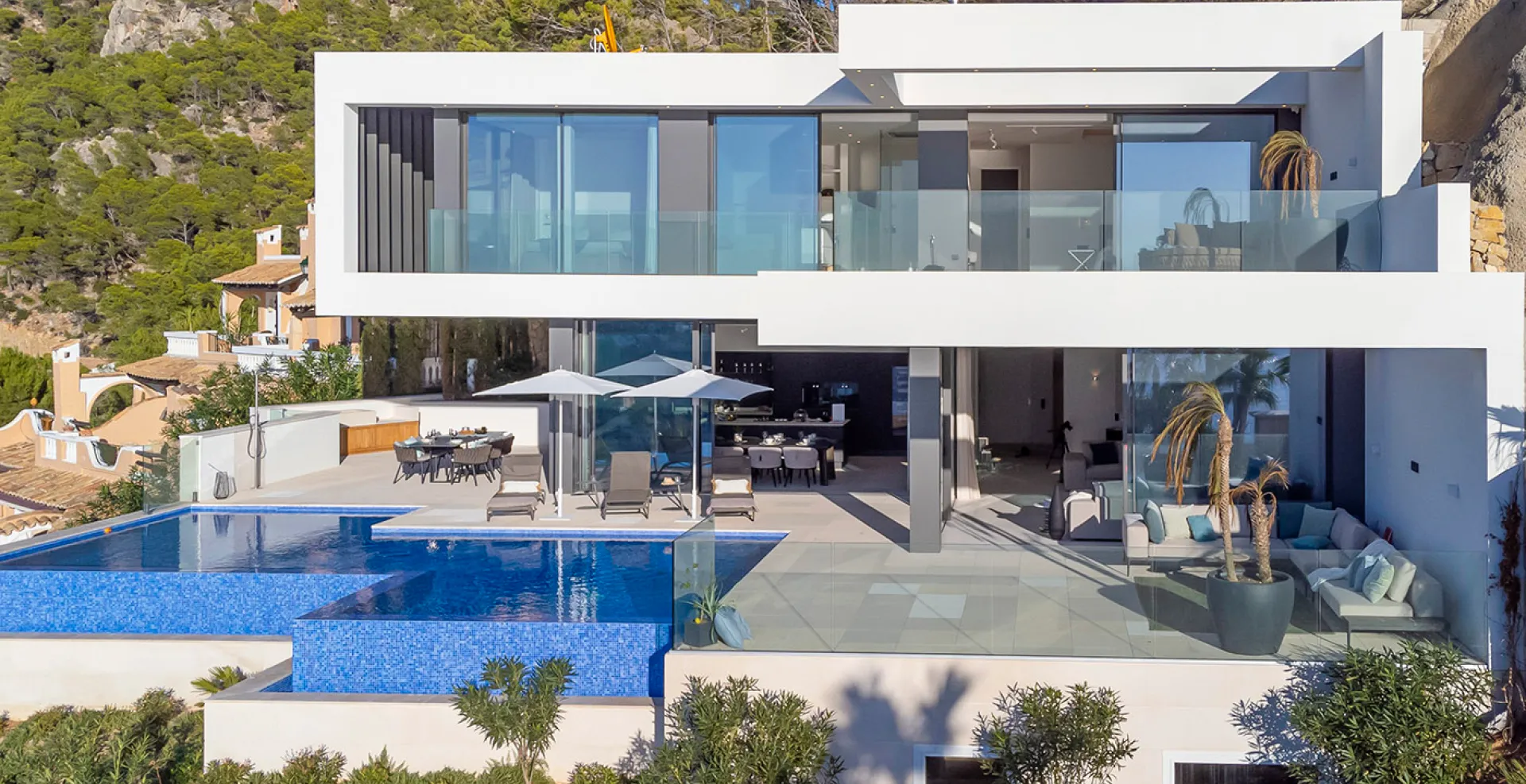
Securing the right property on this beautiful island is only the first step. The real test is what happens after the offer is accepted: due diligence, renovation planning, permissions, and the operational reality of owning a home that may sit empty for long stretches. For international buyers, the market can feel less like a single transaction and more like a sequence of interconnected decisions, each with its own risk.
How to buy property in Mallorca ⇒
The Challenge of Fragmentation
Many buyers are surprised by how fragmented the ownership journey can become. One party helps you find the home, another handles legal work, then you are left to coordinate architects, builders, suppliers, utilities, furnishings, and ongoing maintenance. When you live abroad, every gap becomes a potential stress point, missed deadlines, unclear accountability, and quality that varies depending on who you happen to find.
Fragmentation also affects timing. Renovation schedules, municipal permissions, and contractor availability rarely align neatly with travel calendars or desired move-in dates. If you plan to buy a legacy property, it is especially important to approach the process with structure:
- Pre-purchase technical surveys to understand the building’s condition, not just its presentation
- Realistic capex forecasting to avoid underestimating upgrades, ongoing maintenance, and seasonal wear
- A clear operational plan for security, humidity management, landscaping, and regular checks when you are away
This is where some owners lose confidence after purchase. A beautiful home can become a burden if it requires constant coordination or continuous, unplanned upkeep.
Renovation and Design Standards
Renovation in Mallorca can be deeply rewarding, but it is rarely simple. Permissions, project scope, and execution standards require careful management, particularly if you are aiming for a Scandinavian-clean finish or hotel-level functionality. The difference between “renovated” and “properly resolved” is often invisible in photos and obvious within the first season of living.
A successful project typically depends on three things:
- Correct sequencing: concept, technical planning, permissions, procurement, and build, with no shortcuts
- Reliable teams: contractors and specialists who show up, communicate clearly, and finish well
- Design that supports real life: layouts, materials, climate considerations, storage, and easy maintenance, not just aesthetics
This is where Reiderstad Invest’s model is designed to reduce friction. Instead of handing you off after the purchase, the team can act as a single point of contact across acquisition, interior design, project management, rental strategy, where relevant, and ongoing property management. The goal is straightforward: your home should work immediately and keep working, without you having to manage Mallorca from a distance.
Conclusion: Making the Move
Living in Mallorca can be a decisive upgrade in quality of life. The island offers beauty, safety, and a daily rhythm that supports health, family time, and a more intentional pace. For many international buyers, it also becomes something more lasting: a true base in Europe, and a home that holds memories across years, not just seasons.
The difference between a dream and a workable reality comes down to structure. Seasonality affects where you should live. Infrastructure, schooling, and airport access shape your routines. Bureaucracy requires patience and correct sequencing. Property ownership demands a plan for maintenance, management, and, when relevant, renovation that meets your standards.
Reiderstad Invest exists for this exact transition. As a single, accountable partner across acquisition, design, project execution, and ongoing management, the team helps you move from visiting Mallorca to living here with clarity, discretion, and calm control.
If you’re considering a move or exploring a purchase, contact Reiderstad Invest to arrange a consultation or to review the current portfolio, including opportunities that may never reach the open market.
Frequently Asked Questions
Is it easy to adapt to the local culture in Mallorca?
Adapting to the local culture in Mallorca is achievable with a proactive approach. The island has a large international community, which can make the initial transition easier. However, true adaptation involves engaging with the local culture beyond this circle. The key is to make an effort to learn the Spanish language, including the Mallorcan dialect, as this will open up communication and show respect for your new home. Participating in local traditions and community events will also help you build connections and feel more integrated into the fabric of life in Mallorca.
What should I know before moving to Mallorca?
Before moving to Mallorca, it is important to understand a few key points. Be prepared for a higher cost of living than on mainland Spain, particularly when compared to major cities like London, especially for housing. You should also be aware of the Spanish bureaucracy, which can require patience. Securing the correct visa, such as the digital nomad visa if you are a remote worker from outside the EU, is crucial and should be done well in advance. On the positive side, the island offers an exceptional quality of life and an excellent public healthcare system for residents.
How do I find accommodation in Mallorca as a newcomer?
As a newcomer, the best way to find accommodation in Mallorca is to start with a short-term rental, perhaps in a central area like Palma. This gives you time to explore different neighborhoods in person. Use the internet and local real estate portals to research options, but avoid committing to a long-term lease without viewing the property. The rental market is competitive, so working with a reputable real estate agent can give you an advantage in securing a desirable long-term home.
Is Mallorca a good place to live long-term?
Yes, Mallorca is an excellent place to live long-term for those who can adapt to the island lifestyle. Its high quality of life is supported by a beautiful Mediterranean climate, modern infrastructure, and a safe environment. The island offers a great balance between relaxed living and access to amenities, especially in areas like Palma de Mallorca. While the cost of living and seasonal tourism are factors to consider, the strong community and unparalleled natural beauty make it a desirable long-term home within Spain.