
Introduction
When weighing Old Town vs. Santa Catalina, most international buyers are not choosing between a good and a bad area; they are choosing between two premium versions of Palma living with strong long-term appeal.
Palma’s Old Town and Santa Catalina both sit at the top end of the city’s residential market, offering lifestyle convenience, architectural character, and the kind of scarcity that many buyers associate with capital protection. The difference is how that value shows up day to day: pace, aesthetics, and the feel of the streets you step into each morning.
Old Town tends to suit buyers drawn to historic texture, privacy, and a more contained, refined city core. Santa Catalina typically appeals to those who want a lighter, more social rhythm, with a stronger emphasis on neighborhood energy and walkable dining culture. Reiderstad Invest typically frames the decision around how you want the property to function in real life, not just how it looks on closing day.
TL;DR: Old Town vs Santa Catalina at a Glance
Choose Old Town if you want historic elegance, quieter streets, and architectural character. Choose Santa Catalina if you want a more social, food-led neighborhood feel with a lighter, more creative energy.
| Category | Palma Old Town | Santa Catalina |
| Vibe | Quiet luxury, historic, refined | Vibrant, neighborhood-social, gastronomy-forward |
| Property types | Character apartments in historic buildings, occasional larger heritage homes (condition varies) | Apartments and townhouses in a more residential grid, often with terraces and a more casual indoor-outdoor feel |
| Walkability | Highly walkable for central Palma, culture, shopping, and city services | Highly walkable for restaurants, cafés, local amenities, and day-to-day social life |
| Best for | Buyers prioritizing timeless architecture, privacy, and a classic city-core lifestyle | Buyers prioritizing atmosphere, dining culture, and a more relaxed, community-oriented rhythm |
Lifestyle and Atmosphere
Old Town and Santa Catalina can both deliver a premium Palma lifestyle, but the daily experience is fundamentally different: one is more discreet and architectural, the other more social and food-led. For many international buyers, the decision is less about location on a map and more about what you want to step into when you leave your front door.
Explore what it’s like living in Mallorca like a local ⇒
The Historic Grandeur of Old Town
Palma’s Old Town (Casco Antiguo) is defined by narrow cobblestone streets, noble heritage buildings, and a sense of visual continuity that feels distinctly European and time-tested. Days here tend to feel quieter and more contained, even though you are in the center of the city.
The atmosphere is well-suited to buyers who want discreet privacy and a classic, understated version of luxury. In practice, that usually means:
- A preference for architectural details and patina over a new-build look
- A lifestyle centered on walking to boutiques, galleries, and city institutions rather than planning around the car
- A home that feels like a personal retreat inside a dense urban fabric
Culturally, Old Town living also puts you close to landmarks and museums, including the Es Baluard museum of contemporary art, which is often part of a relaxed, city-core weekend routine.
A practical note for day-to-day comfort: in established central areas, renovation cycles can be continuous. If a nearby unit is being refurbished, noise and disruption can materially affect your experience, so it is worth asking targeted questions about current and planned works in the building and adjacent properties, not just the apartment itself.
The Vibrant Energy of Santa Catalina
Santa Catalina is more open, neighborhood-social, and outward-facing. The daily rhythm is shaped by cafés, restaurants, and an indoor-outdoor Mediterranean pattern where you are more likely to meet friends spontaneously, build local routines, and spend time out in the streets.
The area is especially appealing to high-net-worth buyers who prioritize atmosphere and convenience over seclusion, for example:
- Starting the day at Mercat de Santa Catalina for produce, coffee, and a quick sense of what is happening locally
- Choosing a property that supports terraces, casual entertaining, and frequent dining out
- Leaning into a more energetic, lived-in feel rather than a museum-like calm
For evenings, Santa Catalina’s social gravity often includes views and cocktails at the Hotel Hostal Cuba Sky Bar, which matches the neighborhood’s more animated, lifestyle-forward identity.
As with any popular urban district, the quality of day-to-day living can depend on details beyond the listing: building maintenance, responsiveness of management, and how well shared areas are actually looked after. It is worth probing these operational realities early, especially if the building presents well at first glance.
Property Types and Architecture
Old Town and Santa Catalina are both supply-constrained, high-demand districts in Palma, but they deliver very different real estate products. For buyers, that difference matters as much as price because it affects light, noise, outdoor space, parking practicality, and the scope of renovation risk.
Palacios and Penthouses in Old Town
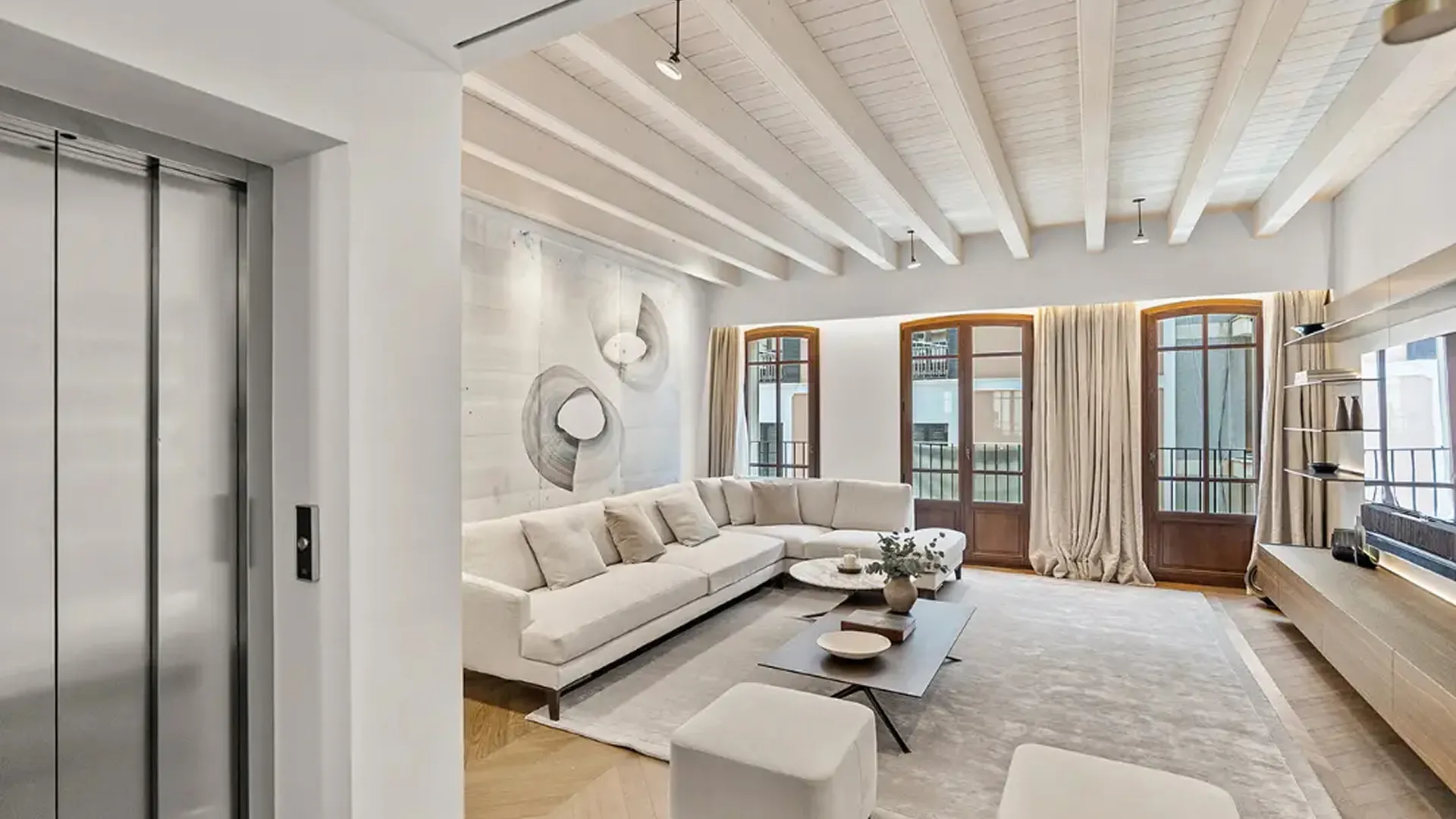
Old Town inventory is defined by historic urban fabric: older stone buildings, tight streets, and homes that were not designed around modern car access or open-plan living. When buyers are drawn to Old Town, they are typically buying architectural character first, then upgrading the technical performance and comfort level.
Common Old Town property profiles include:
- Renovated palacios (historic mansions) or portions of them, often reconfigured into large apartments
- High ceilings and thick walls that create a more formal, atmospheric interior feel
- Traditional interior courtyards (patios) that bring light and privacy into dense blocks
- Top-floor apartments and penthouses where the premium is driven by light, views, and separation from street activity
What this means in practice: due diligence needs to be architecture-led, not just lifestyle-led. In protected, older buildings, the key questions tend to cluster around what has been renovated, what remains original, and how the building functions as a whole (sound transfer, common areas, and long-term maintenance).
Fisherman Cottages and Modernist Apartments in Santa Catalina
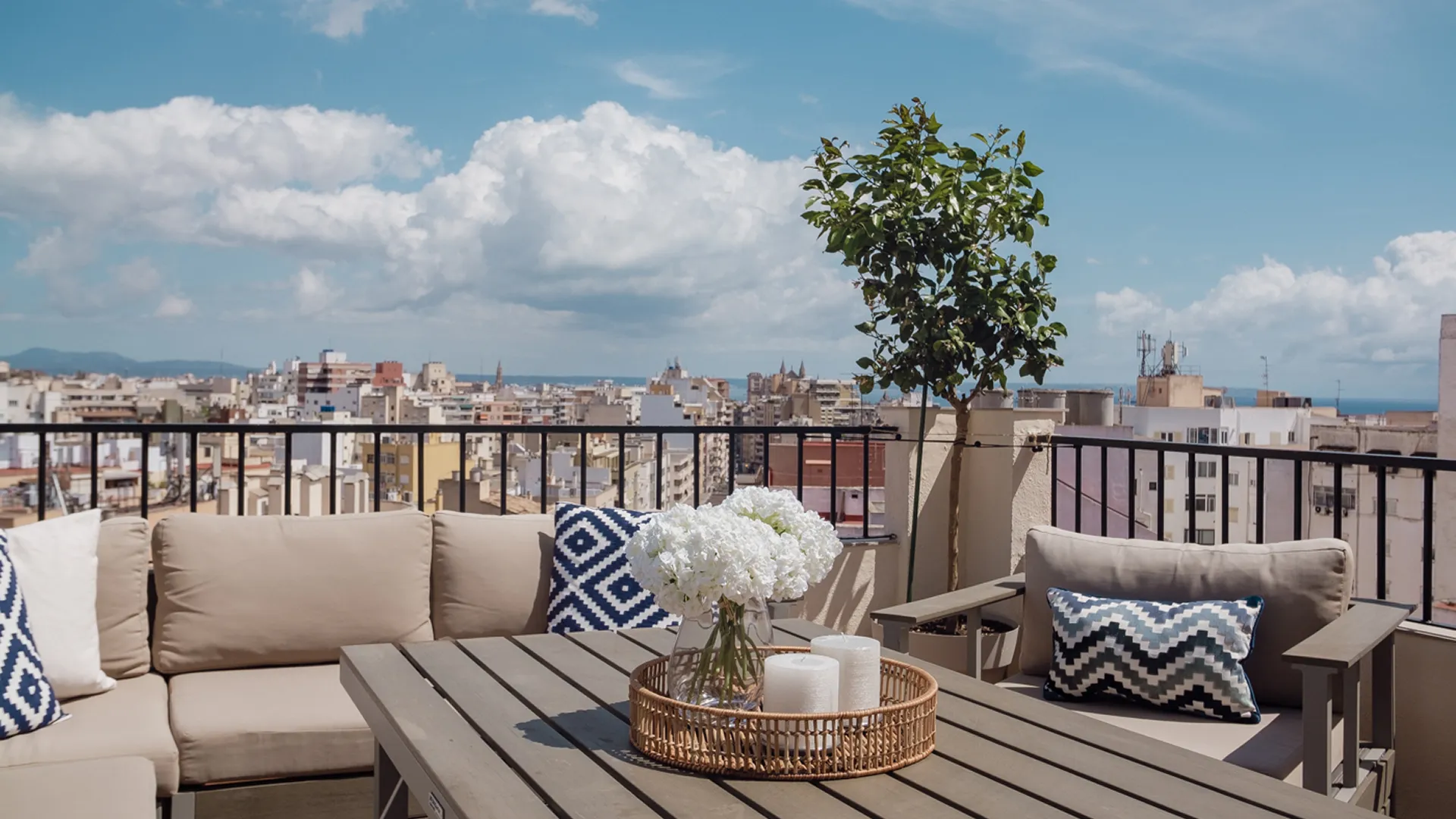
Santa Catalina is known for a lower-rise profile and a more neighborhood-residential street pattern, which translates into different formats and a stronger emphasis on terraces and indoor-outdoor living. The area includes a mix of older houses and apartment buildings, with a design language that often feels lighter and more casual than Old Town.
Typical Santa Catalina options include:
- Charming fisherman cottages: compact, low-rise houses often recognized by traditional green shutters
- Townhouse-style homes that prioritize direct street access and a more house-like routine
- Modernist apartments, including units positioned to capture light, and in some cases, roof terraces that extend daily living outdoors
From a buyer’s perspective, the main architectural tradeoff is usually character versus convenience: Santa Catalina homes may feel more immediately livable for an active, social routine, while still requiring careful evaluation of build quality, terrace waterproofing, and the standards of any recent renovations.
In both neighborhoods, supply is severely limited, and demand remains high, so the best properties tend to move quickly once they surface. That makes pre-defined criteria (must-haves vs nice-to-haves) and a clear renovation tolerance especially important when comparing options across the two districts.
Everyday Amenities and Connectivity
For most €1M+ buyers, the Old Town versus Santa Catalina decision becomes clearer when you stress-test daily routines: where you buy essentials, how often you drive, how guests arrive, and whether the property needs to work seamlessly for deliveries, luggage, and low-friction lock-and-leave ownership.
Dining and Gastronomy
Both neighborhoods offer strong access to Palma’s dining scene, but they deliver it in different formats.
Old Town is typically more polished and destination-oriented. You are close to central Palma’s high-end retail and a wide range of restaurants, but the experience often involves planning: reservations, walking through tighter streets, and a more formal city-core cadence.
Santa Catalina is more food-centric in a daily, spontaneous way. The density of cafés and casual dining makes it easy to build routines around meeting friends, eating out more often, and keeping life outdoors. For example, residents often center weekday life on the area’s local spots, such as Naan or Patrón Lunares, then expand outward into the rest of Palma when they want a different atmosphere.
In both areas, daily markets can be a meaningful lifestyle anchor for buyers who spend extended periods on the island, especially those who prefer to cook at home and entertain.
Walkability, Parking, and Marinas
Walkability is excellent in both districts, but car logistics are a real differentiator.
- Old Town: Exceptional on-foot access to central services and shopping, but parking is often the main practical constraint due to the historic street layout and limited vehicle access. Many residents mitigate this by prioritizing properties with dedicated parking where available, or by using nearby parking solutions and structuring errands around walking.
- Santa Catalina: Also highly walkable, with a slightly easier day-to-day pattern for quick trips and pickups because the neighborhood street grid tends to be less constrained than the oldest parts of the city.
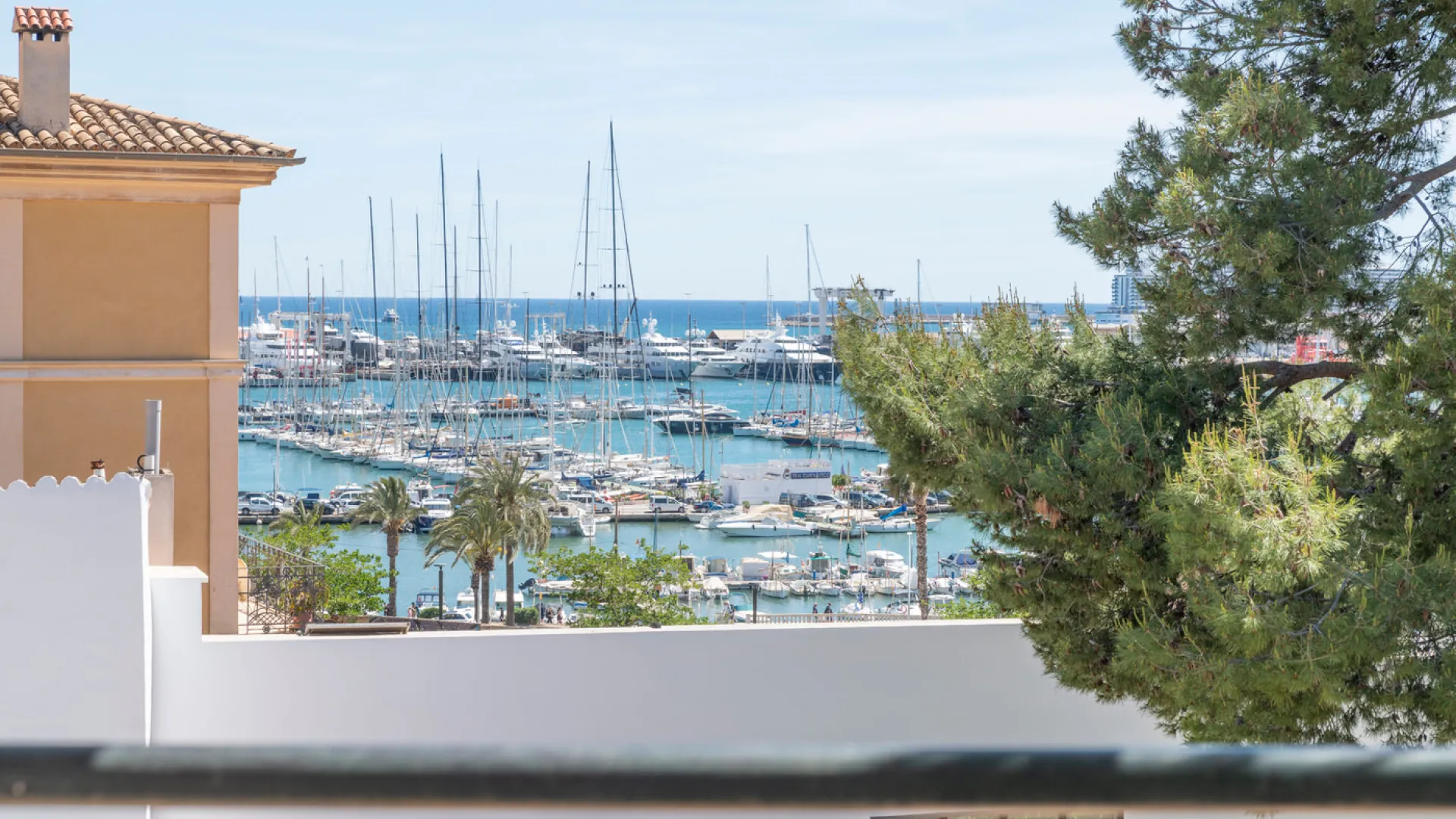
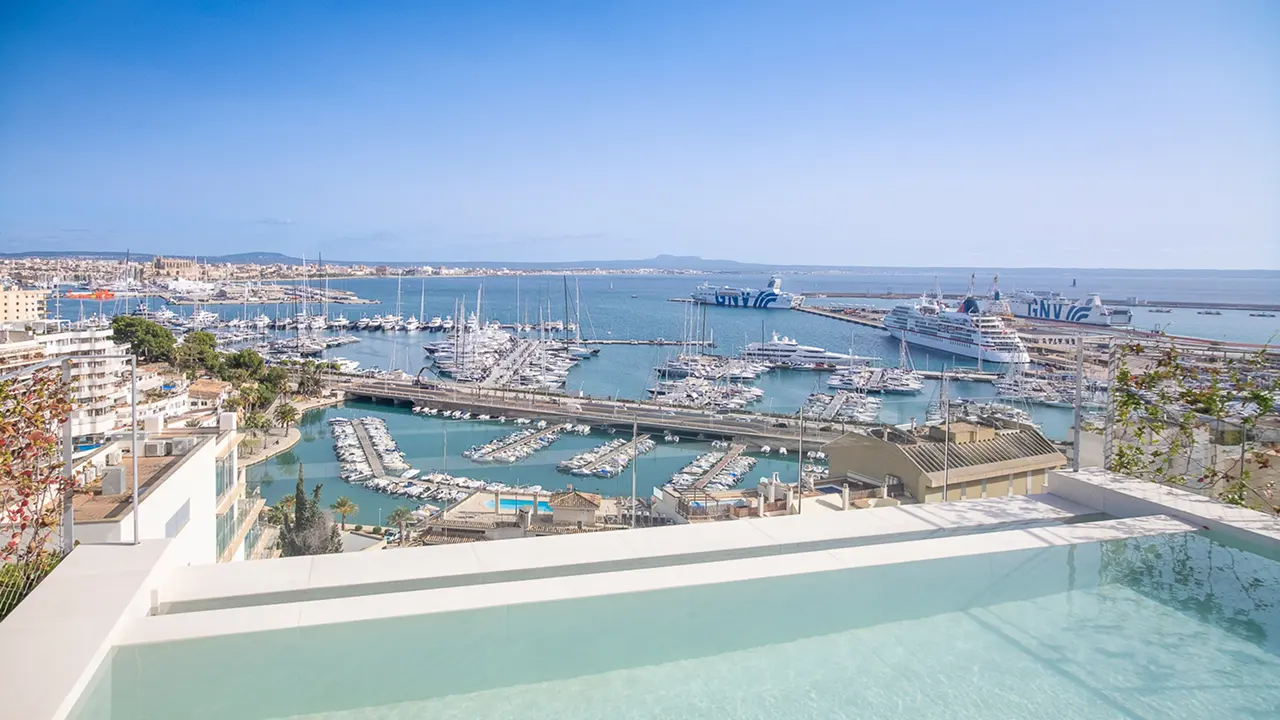
For international buyers in or adjacent to the yachting community, connectivity to the sea is not just a lifestyle; it is infrastructure. Both neighborhoods offer straightforward access to Palma’s waterfront, including the Club de Mar superyacht marina, and the newly redeveloped, tree-lined Paseo Marítimo, which has become a cleaner, more pleasant corridor for walking, cycling, and moving between the city and the port.
A practical due diligence point that often gets missed: building operations can materially affect everyday living even in premium addresses. Confirm the reliability of core services that impact access and logistics, such as elevators (including accessibility function where relevant), entry systems, and maintenance responsiveness, especially if you expect frequent arrivals, deliveries, or staff support.
Investment Potential and Renovation Realities
Old Town and Santa Catalina are widely treated as prime Palma neighborhoods where value is supported by scarcity, lifestyle demand, and limited ability to add competing supply. For many international buyers, that translates to a non-speculative, capital-preservation mindset: you buy quality, you renovate correctly if needed, and you hold for long-term use or long-term ownership.
Capital Protection and Yields
Both districts can function as safe-haven allocations within Mallorca because they are established, supply-constrained, and consistently sought-after by lifestyle buyers. That said, the investment profile depends less on the neighborhood name and more on the asset specifics.
The factors that most directly influence capital protection and rental performance in these zones tend to be:
- Micro-location and orientation: light, privacy, and street exposure often matter as much as address.
- Building quality and governance: the condition of common areas, reserve planning, and responsiveness of building management can materially affect owner experience and future cost.
- Renovation quality and documentation: buyers and tenants increasingly discount properties that look updated but lack credible technical depth.
Yield expectations should be approached carefully and on a case-by-case basis. Any rental strategy also needs to be aligned with the property’s characteristics (noise tolerance, access, outdoor space) and the operating reality after purchase, including maintenance capacity and vendor reliability. This is where a lifecycle advisor model, such as Reiderstad Invest’s acquisition-to-management approach, tends to reduce friction because the property is evaluated as an operating asset, not just a closing-day product.
Navigating Heritage Restrictions and Reforms
Renovation is where many international buyers either protect value or create expensive, time-consuming problems. In both neighborhoods, constraints are real, timelines can stretch, and cosmetic finishes are not a substitute for technical due diligence.
Old Town: Many properties sit within a heritage context, which can introduce stricter controls on what you can change and how you can change it. Common realities include:
- The need for specialist architects and consultants familiar with historic buildings
- Greater emphasis on preserving or restoring original elements (for example, façades, patios, structural features)
- More complexity in planning, approvals, and execution sequencing, especially when working inside older, shared buildings
Santa Catalina: Renovation can be more flexible in style, but still complex in logistics. Typical constraints include:
- Tight urban spaces that complicate access, staging, and deliveries
- Zoning and local rules that influence what can be altered, expanded, or placed on roof terraces
- Higher sensitivity to neighbor impact (noise, hours, shared walls), which can affect how work is planned and communicated
A practical caution in both areas: fast cosmetic flips can mask deferred capital needs. Paint and new surfaces do not prove that moisture, drainage, pest, ventilation, or structural issues were properly resolved. The safest approach is to verify the technical story behind the finish, what was opened up, what was replaced, and what warranties, invoices, and permits exist, then align renovation scope with a realistic plan for disruption, access, and ongoing maintenance.
Decision Framework: How to Choose
Use the criteria below to pressure-test your shortlist. In prime Palma neighborhoods, the right choice is usually the one that best matches your daily rhythm and renovation tolerance, not the one that simply looks best in photos.
- Choose Old Town if you want: quieter streets, historic architecture, and a more discreet city-core lifestyle where privacy and atmosphere are part of the value.
- Choose Santa Catalina if you want: a more social, food-led neighborhood routine with frequent dining out and a stronger indoor-outdoor Mediterranean feel.
- Choose Old Town if your renovation appetite is: higher, or at least more patient and structured. Older buildings and heritage context can add constraints, specialist requirements, and more variables to plan around.
- Choose Santa Catalina if your renovation appetite is: moderate and you are prioritizing day-to-day livability, terraces, and easier routine logistics, while still accepting that urban projects can be tight on access and staging.
- Choose Old Town if your move-in requirement is: flexible, meaning you can wait for the right unit, accept staged improvements, or manage a longer, more detail-heavy upgrade path.
- Choose Santa Catalina if your move-in requirement is: more immediate, meaning you want a property that supports a ready-to-use lifestyle with fewer unknowns from day one (while still verifying actual build quality).
- Choose based on price discipline, not headlines: budget expectations per square meter can vary meaningfully by micro-location, views, outdoor space, building condition, and whether the renovation was technical or cosmetic. Compare like-for-like units and include common-area quality in the value assessment.
- Confirm operational risk before committing: regardless of neighborhood, verify building management responsiveness, maintenance status (especially elevators and access systems), and whether there are ongoing works that could create prolonged noise or disruption. If processes feel opaque during the buying stage, that friction often continues into ownership.
Securing Your Palma Property with Reiderstad Invest
Old Town and Santa Catalina can both be excellent choices for long-term Palma ownership, but they reward different priorities. Old Town generally fits buyers seeking historic calm, architectural depth, and discreet privacy. Santa Catalina tends to fit buyers who want a more social, gastronomy-driven neighborhood routine with an indoor-outdoor Mediterranean cadence.
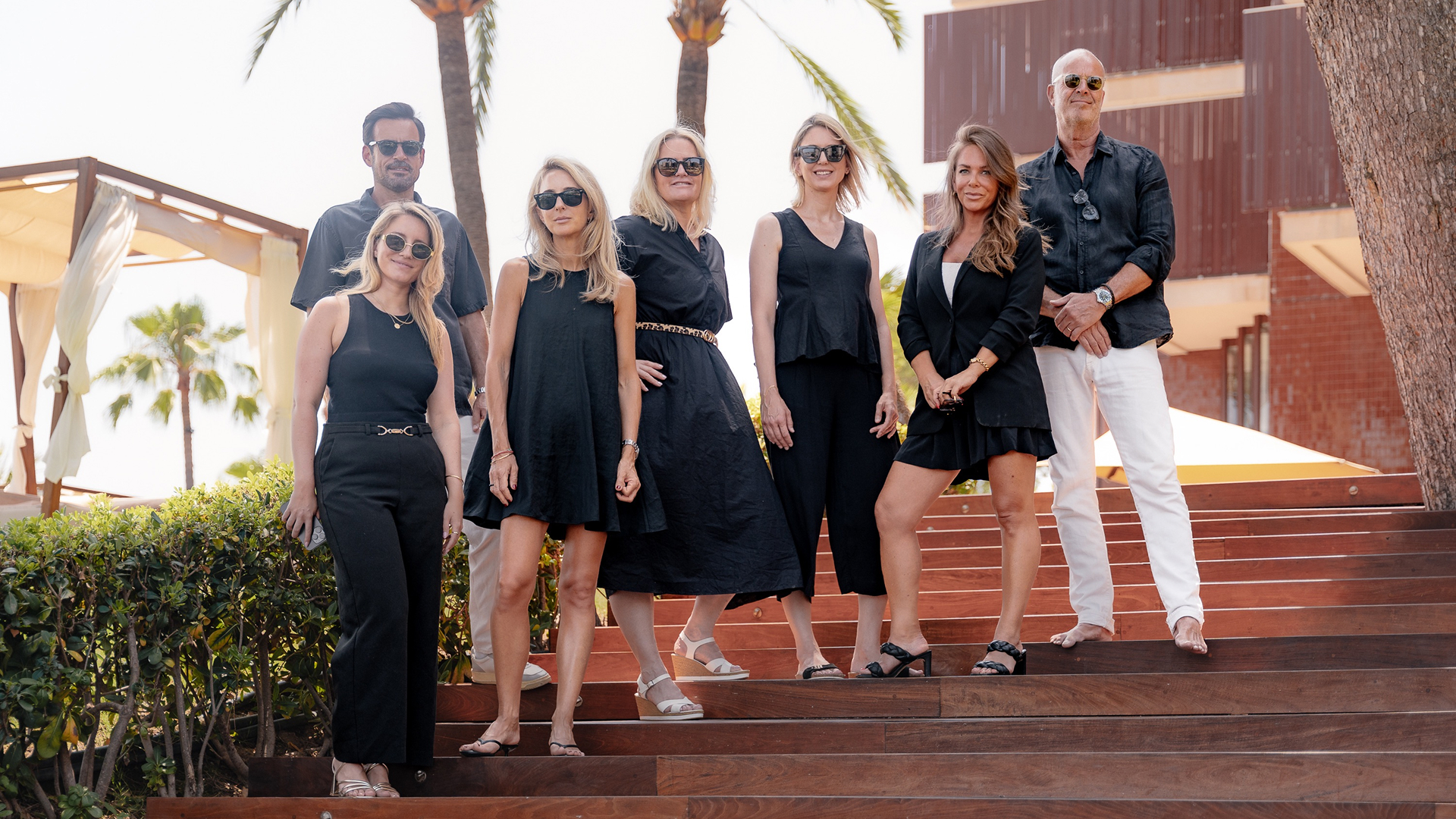
Where many international purchases become unnecessarily stressful is after the offer is accepted: technical due diligence, renovation scope, design decisions, contractor coordination, rental positioning, and the realities of day-to-day property operations. Reiderstad Invest is built to reduce that fragmentation by combining acquisition advisory with interior design, project management, rental strategy, and ongoing property management under one accountable roof.
If you want a structured, low-friction path from search to ownership, Reiderstad Invest can help you clarify which neighborhood fits your lifestyle, shortlist the right assets, and execute with control from purchase through long-term stewardship.
Schedule a call with the team for property insights and visits ⇒
Frequently Asked Questions
Is Santa Catalina noisy at night?
Santa Catalina can be noisier at night than quieter residential parts of Palma because it has a dense concentration of restaurants and bars. Noise levels vary sharply by micro-location, building insulation, and whether the unit faces a lively street or an interior patio. If night-time quiet is a priority, confirm typical evening sound levels during the hours you care about, not just during daytime viewings.
Can you park a car in Palma’s Old Town?
Parking in Palma’s Old Town is often challenging due to narrow streets, limited access, and a built environment that predates modern car use. Some properties include parking, but many owners rely on nearby parking solutions and adjust routines around walking for most daily needs. If you plan to drive frequently, treat parking as a must-verify criterion early in the search.
Are there restrictions on renovating properties in Old Town Palma?
Yes, Old Town renovations can be constrained by heritage context and building rules, which may limit what you can change and how work must be executed. Projects often require specialist architects and careful planning to align design intent with approvals and technical realities. Always verify the status of previous works and the feasibility of your intended changes before committing.
Which area is better for a long-term property investment?
Both Old Town and Santa Catalina can support long-term ownership because demand is anchored by lifestyle buyers and supply is limited. The better investment usually comes down to the specific asset: micro-location, light and outdoor space, building condition, and renovation quality. If you are deciding between two units, prioritize the one with stronger fundamentals and fewer operational unknowns over the one with the better short-term aesthetic.