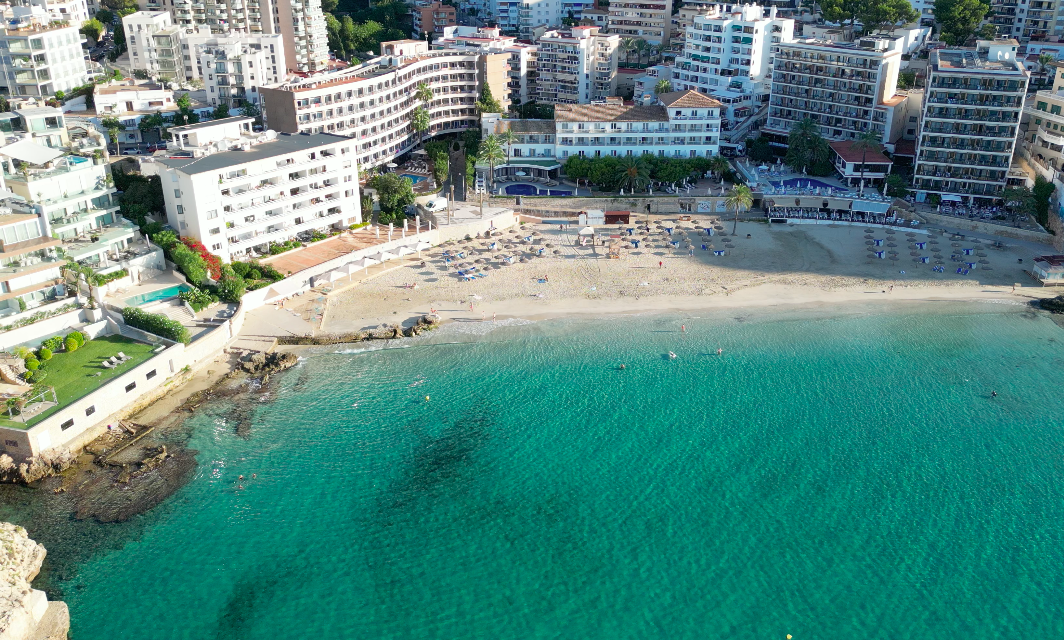

Before committing to a property in Mallorca, focus on both the obvious essentials and the less visible risks that often cause problems later.
Key things to check first:
- Structural integrity, foundations, and signs of movement
- Roof condition, including flat roofs and terraces
- Plumbing, water pressure, and water source
- Electrical systems, panel condition, and safety standards
- Signs of damp, mold, or water damage
Less obvious but critical red flags:
- Bowing or stressed walls, especially near pools or slopes
- Outdated wiring hidden behind renovated finishes
- Structural pest damage in beams or subfloors
- Renovations or extensions without proper permits
- Noise exposure from flight paths or seasonal activity
- Seller behavior that suggests issues are being concealed
A professional inspection, combined with local expertise from us, Reiderstad Invest, helps ensure that both the physical condition and legal status of the property are fully understood before you move forward.
Before you buy property in Mallorca, this checklist helps you see what photos and first impressions won’t.
Prices are high, demand is steady, and many homes have been renovated quickly. Reviewing these checks first helps you spot structural, legal, and lifestyle risks early, before they become expensive problems.
If questions get complex, Reiderstad Invest can help you pressure-test the details with local insight.
Introduction
Finding your dream home in beautiful Mallorca is an exciting journey. But before you finalize the purchase, identifying what to look for when inspecting a house in Mallorca is a critical step. This process gives you a clear picture of the property’s true condition, helping you avoid unexpected and costly surprises down the road.
Especially with the charm of older homes on the island, an inspection report can reveal hidden problems that aren’t visible at first glance, empowering you to make a confident and informed decision.
In Mallorca, factors such as humidity, coastal exposure, older construction methods, and evolving building regulations make inspections especially important.
Is buying property in Mallorca still worth it?
Key Things to Look for When Inspecting a House in Mallorca
| Area | What to Look For | Why It Matters |
|---|---|---|
| Structure & Foundation | Large cracks, uneven floors, bowing walls | Indicates potential structural instability or movement |
| Roof & Terraces | Broken tiles, water stains, flat roof waterproofing | Roof repairs are costly and leaks cause hidden damage |
| Exterior Walls | Cracks, peeling paint, bulging surfaces | May signal moisture intrusion or structural stress |
| Windows & Doors | Poor sealing, difficult operation, sun damage | Affects insulation, comfort, and security |
| Plumbing | Low pressure, leaks, drainage issues, water source | Plumbing failures lead to water damage and high repair costs |
| Electrical System | Outdated wiring, overloaded panel, lack of safety breakers | Major safety concern and expensive to upgrade |
| Heating & Air Conditioning | System age, efficiency, airflow, inverter technology | Comfort and running costs in Mallorca’s climate |
| Damp & Mold | Musty smells, stains, peeling paint, warped materials | Common in Mallorca and costly to remediate |
| Kitchen | Appliance function, cabinet condition, leaks | Indicates overall maintenance quality |
| Bathrooms | Drainage, grout condition, secure fixtures | High-risk areas for hidden water damage |
| Flooring & Finishes | Sagging floors, cracked tiles, fresh patchwork paint | Can reveal structural or moisture-related issues |
| Outdoor Areas | Terrace condition, pool structure, drainage | Outdoor repairs and pool issues are expensive |
| Pests & Termites | Damaged wood, holes, dust, weakened beams | Structural pest damage can be severe and hidden |
| Legal Compliance | Permits, registered structures, certificates | Non-compliance can block renovations or resale |
| Environmental Factors | Flight paths, seasonal noise, nearby development | Affects long-term comfort and property value |
| Seller Behavior | Quick flips, vague disclosures, cosmetic cover-ups | May indicate unresolved or hidden problems |
| Inspections & Disclosures | Independent inspectors, “unknown” disclosures | Ensures objective assessment and risk clarity |
When you first walk through a potential new home, it’s easy to focus on the aesthetics. However, looking deeper is key to a smart purchase. Your personal home inspection checklist should prioritize the home’s core components, such as its structural integrity, the condition of the roof, and the functionality of essential systems.

1. Structural integrity and foundation issues
The foundation and structure are the skeleton of your potential new home, so their condition is paramount. When walking through the property, keep an eye out for any large cracks in the walls, floors, or ceilings. While small hairline cracks can be cosmetic, more significant ones could signal underlying structural issues.
Pay attention to doors and windows that don’t close properly or appear uneven in their frames, as this can be a symptom of foundation movement. Also, check for sagging floors or rooflines, which are definite red flags indicating a lack of structural integrity.
These observations are crucial first steps. A professional inspector will investigate these signs further to determine if they are serious issues. Any concerns regarding the structure will be detailed in the final inspection report, giving you a clear understanding of the home’s stability.
2. Roof condition and potential leaks
A home’s roof is its first line of defense against the elements. In Mallorca, this means protection from both intense sun and seasonal rain. Start your assessment by looking at the roofing material from the ground. Note any missing, cracked, or slipped tiles or shingles, as these are common points for water to enter.
If the property has a flat roof or roof terrace, check the waterproof membrane carefully. These surfaces require regular maintenance and are a common source of leaks if neglected.
Inside the home, especially in the attic or on the top floor, look up. Do you see any water stains, discoloration, or signs of active leaks on the ceiling? These are clear indicators of existing roof damage that needs to be addressed.
Don’t forget to check the gutters and downspouts to ensure they are securely attached and clear of debris.
Problems with the roofing can be expensive to fix, so it’s an important part of your initial walk-through. A professional inspection report will provide a more detailed evaluation of the roof’s lifespan and condition, helping you budget for any necessary repairs.
3. Exterior walls, paint, and cladding assessment
The exterior of a house does more than just provide curb appeal; it protects the structure from moisture and the sun. Walk around the entire property and examine the exterior walls. Look for any significant cracks, bulges, or areas that seem out of line, as these could point to structural problems.
Check the condition of the paint and cladding or siding. Flaking, blistering, or peeling paint can suggest that moisture is trapped underneath. If the home has a wood or composite siding, look closely for any signs of rot or insect damage, particularly near the ground and around windows.
These types of defects can compromise the home’s ability to keep water out. Noting these issues allows you to bring them to the attention of your inspector, who will document them in the inspection report and assess their severity.
4. Windows, doors, and security features
Windows and doors are essential for security, insulation, and comfort. Take the time to open and close every accessible window and door in the house. They should operate smoothly and latch securely. Difficulty in operation could be a sign of house settling or warping of the frames.
Inspect the frames and seals around the windows and doors. Look for gaps, cracked caulking, or signs of moisture, which can lead to drafts and higher energy bills. In a sunny climate like Mallorca’s, check for sun damage on wooden frames or deteriorating seals on metal or vinyl units.
Don’t forget to test the existing security features, such as locks and alarm systems. Any defects you find, from a sticky lock to a broken window seal, should be noted for your inspection report as they contribute to the overall condition and safety of the home.
5. Plumbing system and water pressure
A functional plumbing system is non-negotiable in any home. During your inspection, one of the easiest and most important checks is the water pressure. Turn on the faucets in the kitchen and bathrooms to see if the flow is strong and consistent. Run both the hot and cold water to ensure everything is functioning properly.
While you’re at the sinks, look underneath for any signs of leaks, water stains, or mold. These can indicate active problems with the plumbing. Your inspection checklist should also include a close look at the hot water system. Check the water heater for any visible rust, corrosion, or leaks around the base, and try to determine its age.
In rural areas, clarify whether the home is connected to the municipal water supply or relies on a private well or water deposit (aljibe). Ask about water quality, filtration systems, and refill costs if applicable.
Other key plumbing checks include:
- Flushing all toilets to ensure they operate correctly and don’t rock.
- Running the showers and checking that tubs and sinks drain smoothly without backing up.
- Visually inspecting any visible pipes for damage or signs of past repairs.
6. Electrical wiring, outlets, and safety standards
Faulty electrical wiring is a serious safety hazard, so it’s a critical part of your inspection. As you walk through the house, test light switches and a few outlets in each room to ensure they work. Be aware of any flickering lights, which could indicate a loose connection or a larger problem with the wiring.
Ask to see the fuse box or electrical panel. Does it look old, messy, or overloaded? Look for properly attached cables and check if the panel seems to have sufficient capacity for a modern home’s needs. Outdated systems may not meet current safety standards and could be expensive to upgrade.
Here are a few specific electrical items to look for:
- The presence of Ground Fault Circuit Interrupter (GFCI) outlets in kitchens, bathrooms, and outdoor areas.
- Any exposed or unprotected electrical splices, which pose a significant fire risk.
- An adequate number of outlets in each room to avoid reliance on extension cords. A professional’s home inspection report will offer a more detailed assessment of the electrical system’s safety.
7. Heating, air conditioning, and ventilation
In Mallorca, a reliable air conditioning system is just as important as heating. During your walk-through, be sure to test the HVAC system by turning on both the cooling and heating to confirm they function. Listen for any unusual noises and check if air is flowing from the vents in each room.
Ask about the age and maintenance history of the HVAC unit. An older, poorly maintained system can be inefficient and prone to breaking down. Visually inspect the unit for any signs of rust or damage. Also, check the air filters; dirty filters can suggest a lack of regular maintenance.
Ask whether the air conditioning system is inverter-based and energy efficient. Older systems can be costly to run in Mallorca’s summer months, especially in larger villas.
Proper ventilation and insulation are also key, especially in the attic. Good insulation helps keep the home cool in the summer and warm in the winter, reducing energy costs. Your inspector will note the condition of the home’s ventilation and HVAC in the inspection report.
8. Signs of damp, mold, or water damage
Moisture is one of a home’s biggest enemies, leading to mold, rot, and structural issues. As you inspect the property, trust your nose. A persistent musty or damp smell is often the first sign of hidden moisture or mold problems, especially in basements, bathrooms, or closets.
Visually scan all ceilings, walls, and floors for signs of water damage. These can appear as discoloration, staining, or peeling paint. Pay extra attention to areas around windows, under sinks, and near plumbing fixtures. Don’t be afraid to look in less-obvious places, like inside cabinets or at the back of closets.
Your inspection checklist for dampness should include:
- Looking for water stains on ceilings, which could indicate a roof or plumbing leak from an upper floor.
- Checking for any signs of black or green mold growth, particularly in damp areas like bathrooms.
- Noting any warped flooring or baseboards, which can be a result of water damage.
9. Kitchen fixtures, appliances, and cabinetry
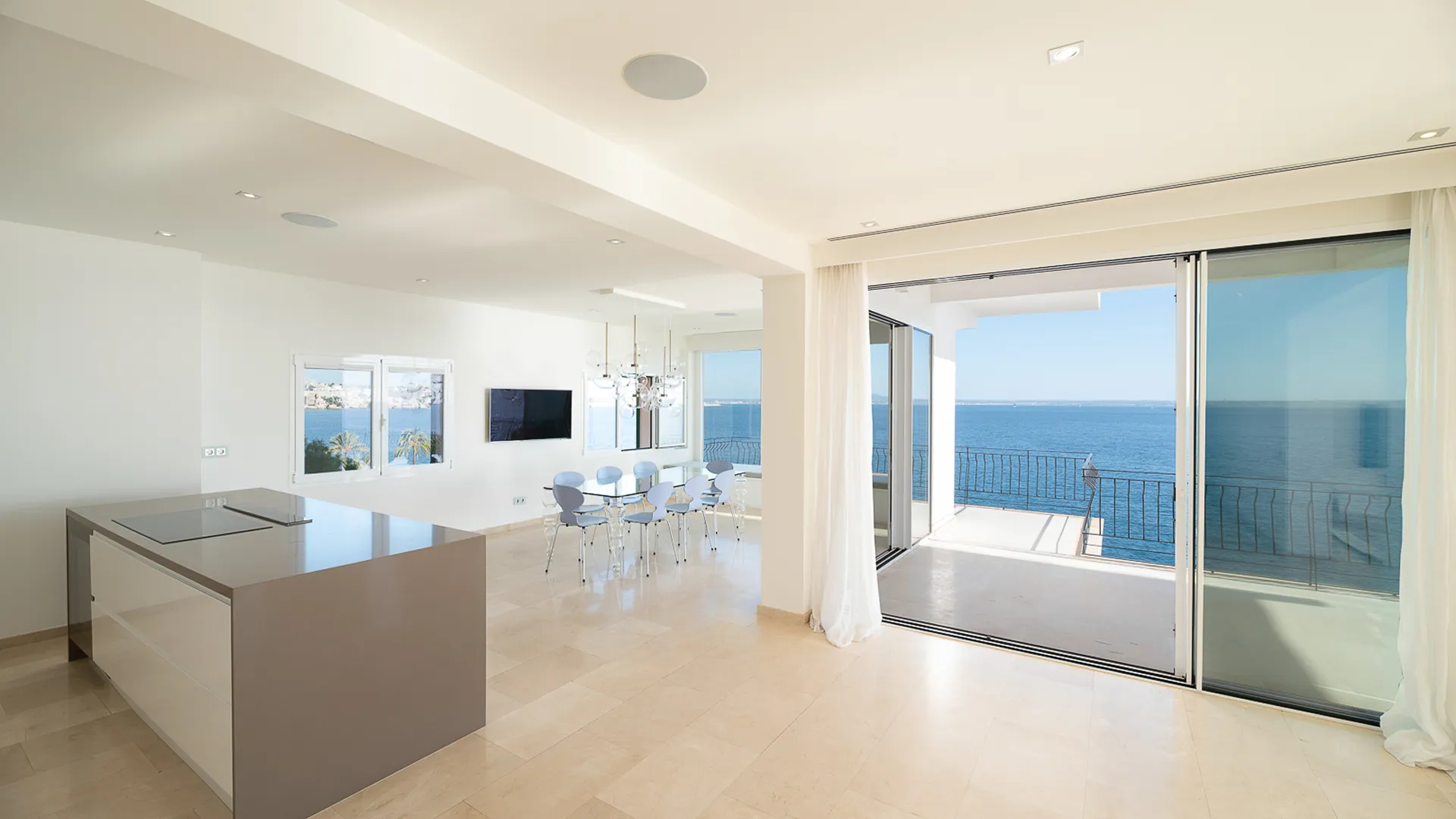
The kitchen is often the heart of the home, and its functionality is crucial. Your inspection checklist should include a thorough review of all its components. Start by testing the built-in appliances. Turn on the oven, run a short cycle on the dishwasher, and test all burners on the stove to ensure they are in working order.
Next, examine the kitchen fixtures. Run the water in the sink to check the pressure and look for any leaks from the faucet or drainage pipes underneath. If there’s a garbage disposal, test it to make sure it runs smoothly.
Finally, open and close all the cabinet doors and drawers to check their condition and alignment. Look for any signs of water damage, warping, or wear and tear inside the cabinetry, especially under the sink. A full check of the home’s systems should always include a detailed look at the kitchen.
10. Bathroom installations and drainage
Bathrooms are high-moisture areas where problems can easily hide. Begin by inspecting all bathroom installations. Flush the toilets to check for a proper flush and refill, and gently push on them to see if they are securely fastened to the floor. A wobbly toilet can indicate a leaking wax seal and potential water damage to the subfloor.
Turn on the shower and faucets to test the water pressure and check the drainage. Watch to see if water backs up in the tub or sink, as slow drainage could mean a clog in the plumbing. While the water is running, look under the sink for any drips or leaks.
Examine the tile and grout in the shower and around the tub. Look for any cracks, gaps, or areas of missing grout, as these can allow water to seep into the walls, leading to mold and rot. Adding these items to your inspection checklist will help you assess the condition of the bathroom’s plumbing.
11. Flooring, tiling, and surface finishes
The condition of a home’s floors and surfaces can tell you a lot about how it has been maintained. As you walk through each room, pay attention to the flooring. Does it feel solid and level underfoot? Any significant sloping, sagging, or soft spots could be a sign of underlying structural or moisture issues.
Inspect the surface finishes of the floors, whether they are wood, laminate, or tile. For tiling, look for any cracked, chipped, or loose tiles. In rooms with carpet, check for stains, excessive wear, or musty odors that might suggest past water damage.
Don’t forget to look at the walls and ceilings. Note any fresh paint patches that might be covering up stains or defects. Adding these surface checks to your inspection checklist helps you build a complete picture of the property’s condition beyond the major systems.
12. Outdoor spaces: gardens, terraces, and pools
In Mallorca, outdoor living spaces like gardens, terraces, and pools are a huge part of a home’s appeal. Your inspection checklist must extend to these areas. Examine any decking, patios, or terraces for cracked tiles, rotted wood, or uneven surfaces that could be tripping hazards.
If the property has a pool, a visual inspection is a good starting point. Look at the condition of the pool’s surface, tiles, and surrounding deck. Ask about the age and condition of the pump and filter equipment. A specialized pool inspection is often recommended, as repairs can be very expensive.
Finally, assess the overall landscaping and drainage systems. Ensure the ground slopes away from the house foundation to prevent water from pooling. Proper drainage is crucial for protecting the home’s structure from water damage, especially during heavy rains.
13. Pest, termite, and insect inspection
An invasion of any pest, especially wood-destroying insects like termites, can cause significant damage to a home. During your walk-through, be on the lookout for any evidence of pests. This is a crucial check, as damage from insects can compromise the structural integrity of the property.
While a professional pest inspection is often a separate service, you can look for preliminary signs. Check wooden beams, window frames, and floorboards for tiny holes or what looks like sawdust, which can be evidence of termites or other insects.
Your initial pest checklist should include:
- Looking for rotted or damaged wood in crawl spaces, basements, and around the exterior foundation.
- Noting any visible signs of pest activity, such as droppings or nests.
- Identifying potential entry points where insects could get in. Your home inspection contingency should give you time to get a full pest inspection report if you suspect a problem.
14. Checking for legal permits and building compliance
In Spain, it is absolutely essential to verify that the property and all its constructions are fully legal. Many homes in Mallorca have had extensions, terraces, or pools added over the years, and not always with the correct legal permits. A lack of building compliance can lead to significant fines or even demolition orders.
This is especially important if you plan to renovate. Illegal or non-compliant structures may limit what can be altered, extended, or modernized in the future.
You or your lawyer must check the property’s records at the local town hall (ayuntamiento) and land registry (registro de la propiedad). This ensures that what is physically present matches what is legally registered. This is one of the most important questions to clarify before signing a purchase agreement.
Ask the real estate agent or previous owners for key documents. This verification is just as important as the physical inspection.
| Document to Check | What It Confirms |
|---|---|
| Cédula de Habitabilidad | Certifies that the property is legally fit for habitation. |
| Nota Simple | Details the legal owner, property boundaries, and any registered debts or liens. |
| Certificado de No Infracción Urbanística | Confirms there are no open files for building code violations. |
| IBI Receipt | Shows that the annual property tax has been paid. |
Less Obvious Things to Look for When Inspecting a House in Mallorca
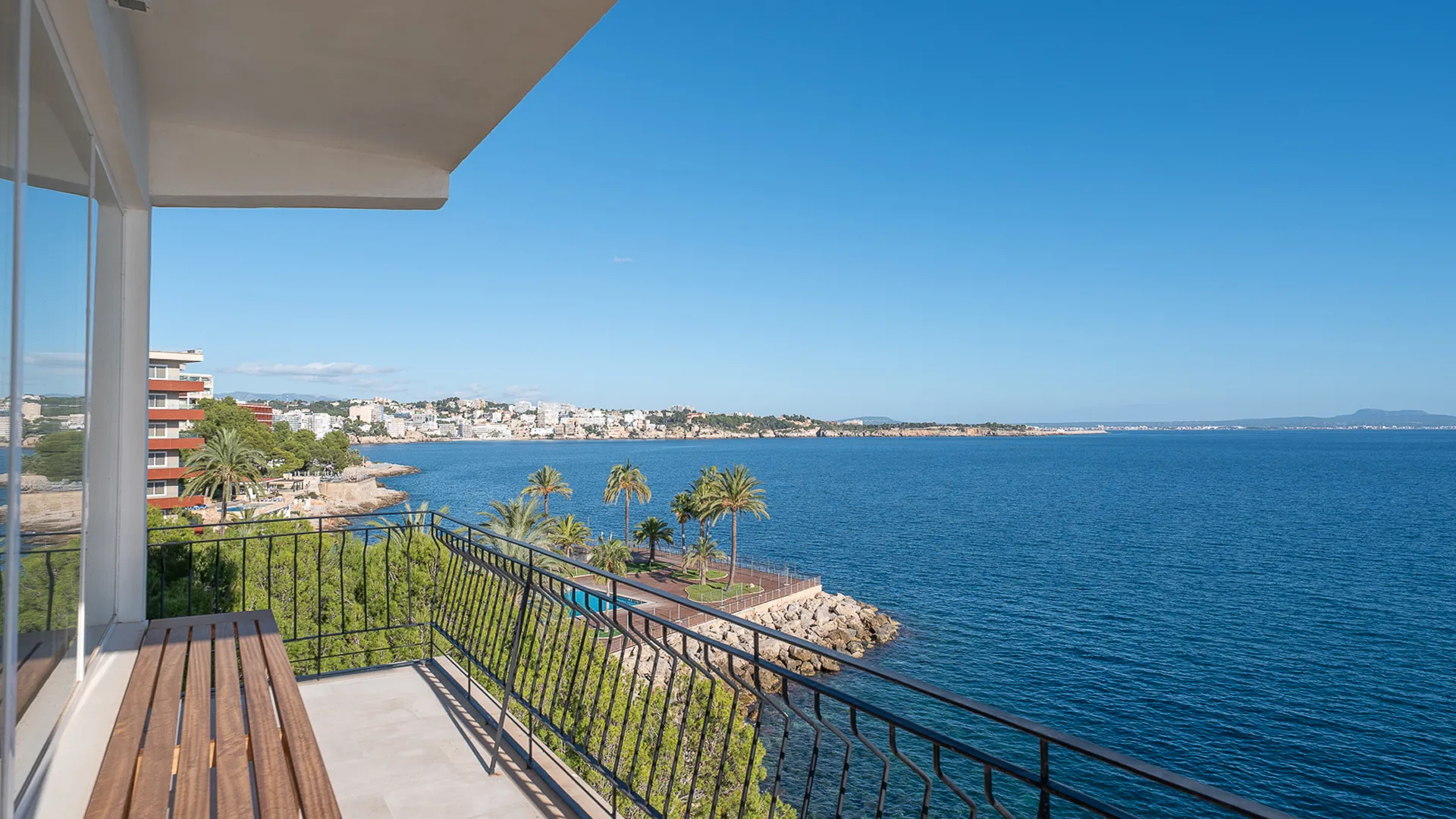
Not all red flags are immediately visible during a property viewing. Beyond the obvious checks of structure, systems, and finishes, there are more subtle issues that can have a significant impact on long-term comfort, safety, and value. These factors are often discovered only through experience, careful observation, or a deeper understanding of how homes in Mallorca age, settle, and are renovated.
This section highlights less obvious but equally important things to look for when inspecting a house in Mallorca. From hidden structural stress and outdated systems to environmental factors, seller behavior, and legal oversights, these insights help you look beyond surface-level impressions and make a more informed decision before moving forward with a purchase.
15. Subtle Structural Red Flags Beyond Visible Cracks
Not all structural issues are immediately obvious, especially during a short viewing. One often overlooked warning sign is a bowing or bulging wall, particularly in garages or basement areas. In Mallorca, this can be especially concerning when the wall borders a pool, retaining wall, or sloped terrain, as constant soil pressure and moisture can gradually compromise structural stability.
Pay close attention to spaces that are partially below ground level. If walls appear curved, uneven, or reinforced in an improvised way, this warrants further investigation. These issues do not always mean a deal breaker, but they require a professional structural assessment before proceeding.
What to look for:
- Bowing or curved walls in garages or storage areas
- Reinforced sections that appear added later
- Structural elements close to pools, slopes, or retaining walls
This is an area where an experienced local advisor, such as Reiderstad Invest, can help coordinate the right specialists early in the process.
16. Outdated Electrical Systems Hidden Behind Finished Walls
Even when a property appears renovated, the electrical system behind the walls may tell a different story. Older homes in Mallorca sometimes retain outdated wiring that no longer meets modern safety standards, even if switches and sockets look new.
Warning signs include inconsistent power, warm outlets, or an electrical panel that looks overloaded or poorly organized. While Spain does not use knob-and-tube wiring, old cloth-insulated cables or partial upgrades can still pose fire and safety risks.
Key checks to add to your checklist:
- Electrical panel age and capacity
- Signs of mixed old and new wiring
- Lack of modern safety breakers
An independent inspection is essential here, especially for buyers planning to modernize or increase electrical load.
17. Severe Pest Damage in Structural Wood Elements
While general pest checks are often mentioned, structural pest damage deserves special attention. Termites and wood-boring insects can cause extensive damage before any surface signs appear. This is particularly relevant in older fincas and rural properties with exposed beams or subfloors.
Look closely at wooden support beams, floor structures, and roof elements. Small holes, crumbling wood, or fine dust can indicate a long-standing issue. Cosmetic repairs may hide the damage, but the underlying structure may still be compromised.
High-risk areas include:
- Basements and storage rooms
- Roof structures and wooden beams
- Areas with persistent humidity
If there is any doubt, a dedicated pest inspection should be part of your due diligence.
18. Renovations Without Permits and Their Long-Term Impact
Unpermitted renovations are one of the most serious, yet common, red flags in Mallorca. A beautifully finished extension, terrace, or guesthouse may look appealing, but without the correct permits, it can create major legal and financial exposure.
Always verify that recent works are properly registered and approved. Unpulled permits can limit future renovations, complicate resale, and in extreme cases lead to fines or enforcement actions by local authorities.
Common unpermitted works include:
- Pool installations or enlargements
- Enclosed terraces or porches
- Added living spaces or guest units
This is where working with a knowledgeable local firm like Reiderstad Invest adds value, ensuring that both physical and legal inspections align.
19. Noise Exposure and Environmental Factors You May Miss
Some issues only become apparent after living in a property. Noise is one of them. Certain areas of Mallorca are affected by seasonal flight paths, nearby beach clubs, or increased summer traffic that may not be noticeable during a quiet daytime viewing.
If possible, visit the property at different times of day. Ask direct questions about aircraft routes, neighboring properties, and seasonal activity. This is especially important for buyers seeking privacy and long-term comfort.
Environmental factors to consider:
- Aircraft flight paths on specific days
- Seasonal noise from tourism-related venues
- Nearby land with future development potential
A good inspection looks beyond the walls and considers the broader setting.
20. Seller Behavior and Signs of Concealed Issues
Not every red flag is physical. Seller behavior can provide important clues about a property’s true condition. Be cautious if you notice fresh paint in isolated areas, especially on ceilings or around windows, as this can sometimes be used to conceal water damage.
Also review the property’s ownership history. Homes that have been bought and resold quickly may have unresolved issues. This does not automatically mean a problem, but it does justify closer scrutiny.
Behavioral red flags include:
- Selective cosmetic upgrades
- Reluctance to answer technical questions
- Incomplete or vague disclosure information
A transparent sale process is always a good sign, and anything less should prompt further investigation.
21. The Importance of Independent Inspections and Clear Disclosures

Finally, ensure that inspections are truly independent. While recommendations can be helpful, your inspector should work solely for you and have no ties to the selling side. This ensures an objective and thorough assessment of the property.
Review all disclosure documents carefully. Pay close attention to sections marked as “unknown,” especially for critical elements like the roof, foundation, or structural systems. An “unknown” answer is not confirmation of a problem, but it does mean you need verification.
A careful combination of independent inspections, detailed disclosures, and local expertise provides the strongest foundation for a confident purchase.
Need help with your next purchase? Schedule a meeting with the Reiderstad Team ⇒
Conclusion
Inspecting a house in Mallorca requires attention to detail and a thorough understanding of what to look for. From structural integrity and plumbing systems to outdoor spaces and legal compliance, each aspect plays a crucial role in ensuring that your potential home is safe and sound. By being vigilant about these key factors, you can confidently navigate the buying process and make informed decisions. Remember, taking the time to conduct a comprehensive inspection can save you from unexpected future expenses and headaches. If you’re ready to embark on this exciting journey, don’t hesitate to reach out for expert guidance to help you find your perfect property in Mallorca.
Frequently Asked Questions
What are the most important things to check when inspecting a house before buying?
Your home inspection checklist should prioritize the “big five”: the roof, foundation, plumbing, electrical system, and signs of water damage. A professional home inspector should provide a detailed inspection report on the overall condition of the property and all the home’s systems, giving you a complete picture.
What are the most common red flags when inspecting a house in Mallorca?
The most common red flags are signs of dampness or water damage, large cracks indicating potential structural issues, and unpermitted additions or extensions. These are serious issues that can lead to costly surprises. An inspection report will highlight these problems, helping you avoid a property with significant hidden defects.
Which questions should I ask the seller or agent during a property viewing?
Ask the real estate agent about the age of the roof and major systems, any known issues, and the reasons behind the previous owners’ decision to sell. Inquire about the property’s legal status and ensure your purchase agreement includes a home inspection contingency clause to allow time for a professional home inspection.
How do I spot hidden issues in older homes in Mallorca?
For older homes, any prospective buyer should look for subtle defects. Pay attention to musty smells (damp), uneven floors (poor structural integrity), and flickering lights (outdated electrical). Use a detailed inspection checklist, but always hire a professional inspector to uncover issues that are not immediately obvious.