
Key Highlights
Here are the key takeaways before you start your property search in Spain:
- Verifying the legal status and ownership of the property through the land registry is a critical first step in the buying process.
- Always ask for a Nota Simple to check for outstanding debts or charges, as these can create legal issues.
- Ensure the property has all necessary planning permissions to avoid future problems with Spanish law.
- Understand the total cost beyond the purchase price, including taxes, notary fees, and lawyer’s fees.
- For property buyers, conducting a professional property survey is essential, especially for older properties.
Introduction
Buying a home in Spain is an exciting dream for many, offering a fantastic lifestyle and a solid investment. The Spanish property market is welcoming to foreign buyers, but navigating its unique legal system can feel complex.
In high-demand regions such as Mallorca, where supply is structurally limited and international demand remains strong, asking the right questions is even more critical to avoid costly mistakes and delays.
How to buy property in Mallorca ⇒
Essential Questions to Ask When Buying a Property in Spain

When you start viewing homes, it’s easy to get swept up in the beautiful architecture and sunny views. However, this is the most important time for property buyers to gather crucial information. Having a list of questions ready helps you look beyond the surface and understand the true condition and legal standing of the property.
An experienced real estate agent can guide you, but you are your own best advocate. Taking these necessary steps will protect your investment and ensure a smooth transaction in the Spanish property market. Here are the essential questions you need to ask.
1. What is the legal status of the property?
Your first question should always be about the property’s legal status. You need to confirm that the person selling the property is the actual owner. The best way to do this is by checking the Spanish land registry, known as the Registro de la Propiedad. This official record contains the entire history of the property and its ownership.
A crucial document to request is the Nota Simple. This is an extract from the property registry that confirms who the legal owner is and whether there are any claims or limitations on the property. Failing to verify the legal status of the property can expose you to potential scams or complex legal issues down the line.
In Mallorca, this step is particularly important for rural fincas, where discrepancies between the registered property and the actual built structure are more common due to historic extensions or land classifications.
Ensuring the property is correctly registered gives you peace of mind. A property not listed in the registry is a major red flag, and you should proceed with extreme caution or walk away. This simple check protects you from inheriting problems you didn’t create.
2. Are there any outstanding debts or charges on the property?

In Spain, debts can be tied to a property, not just the owner. This means if you buy a home with outstanding debts, you could become responsible for them. It is vital to ask if there are any unpaid mortgages, taxes, or community fees attached to the property.
The Nota Simple is once again your best tool here. It will list any financial charges or encumbrances, such as an existing mortgage or a seizure order. These legal issues must be settled by the seller before the sale can be finalized, but knowing about them upfront can prevent significant delays.
Don’t forget to ask for recent bills for property taxes (Impuesto sobre Bienes Inmuebles, or IBI) and community fees if the home is part of a community. This gives you a clear picture of the ongoing costs and confirms that the current owner is up to date with their payments.
In Mallorca, buyers should also confirm whether any outstanding waste collection fees or community special levies (derrames) are pending, as these are common in apartment buildings undergoing façade or lift upgrades.
3. Does the property have all necessary planning permissions and paperwork?
It is crucial to verify that the property complies with local planning permissions. Unapproved renovations or extensions are common, but they can cause serious problems, including fines or even demolition orders. You must ensure that the property described in the paperwork matches the physical building you are viewing.
Planning compliance is especially sensitive in Mallorca due to strict environmental and rural land regulations. Properties in protected zones or on rustic land require closer scrutiny, as legalization options can be limited or time-restricted.
Ask for the habitation certificate (Cédula de Habitabilidad). This document certifies that the property meets the required standards for living and is legal for residential use. While not mandatory in every region, its presence is a strong indicator that everything is in order according to Spanish law.
Another important document is the energy efficiency certificate. This is legally required for a sale and gives you an idea of the property’s energy consumption and potential utility costs. Having all the necessary documents in hand ensures your purchase is secure and fully compliant.
4. What are the total costs, including taxes and fees, involved in the purchase?
The asking price is only one part of the total cost of buying a property. You need to budget for several additional expenses to avoid any financial surprises. These costs can add up to 10-15% of the purchase price, so it’s important to factor them in from the start.
Key costs include the property transfer tax (ITP) for resale homes or VAT (IVA) for new builds. You will also have to pay stamp duty (AJD), notary fees, land registry fees, and your lawyer’s fees. Asking for a detailed breakdown of these costs will help you create an accurate budget.
Understanding all financial commitments ensures the property remains affordable for you in the long term. Here is a table outlining the typical additional costs:
In the Balearic Islands, total purchase costs typically range between 10% and 13% of the purchase price for resale properties, depending on price bracket and legal structure.
| Expense | Estimated Cost (% of Purchase Price) |
|---|---|
| Property Transfer Tax (ITP) | 6% – 10% (varies by region) |
| VAT (IVA) for New Builds | 10% |
| Stamp Duty (AJD) | 1% – 1.5% |
| Notary Fees | 0.5% – 1% |
| Land Registry Fees | 0.1% – 0.3% |
| Legal/Lawyer’s Fees | 1% – 2% |
5. What is included in the sale (fixtures, fittings, furniture)?
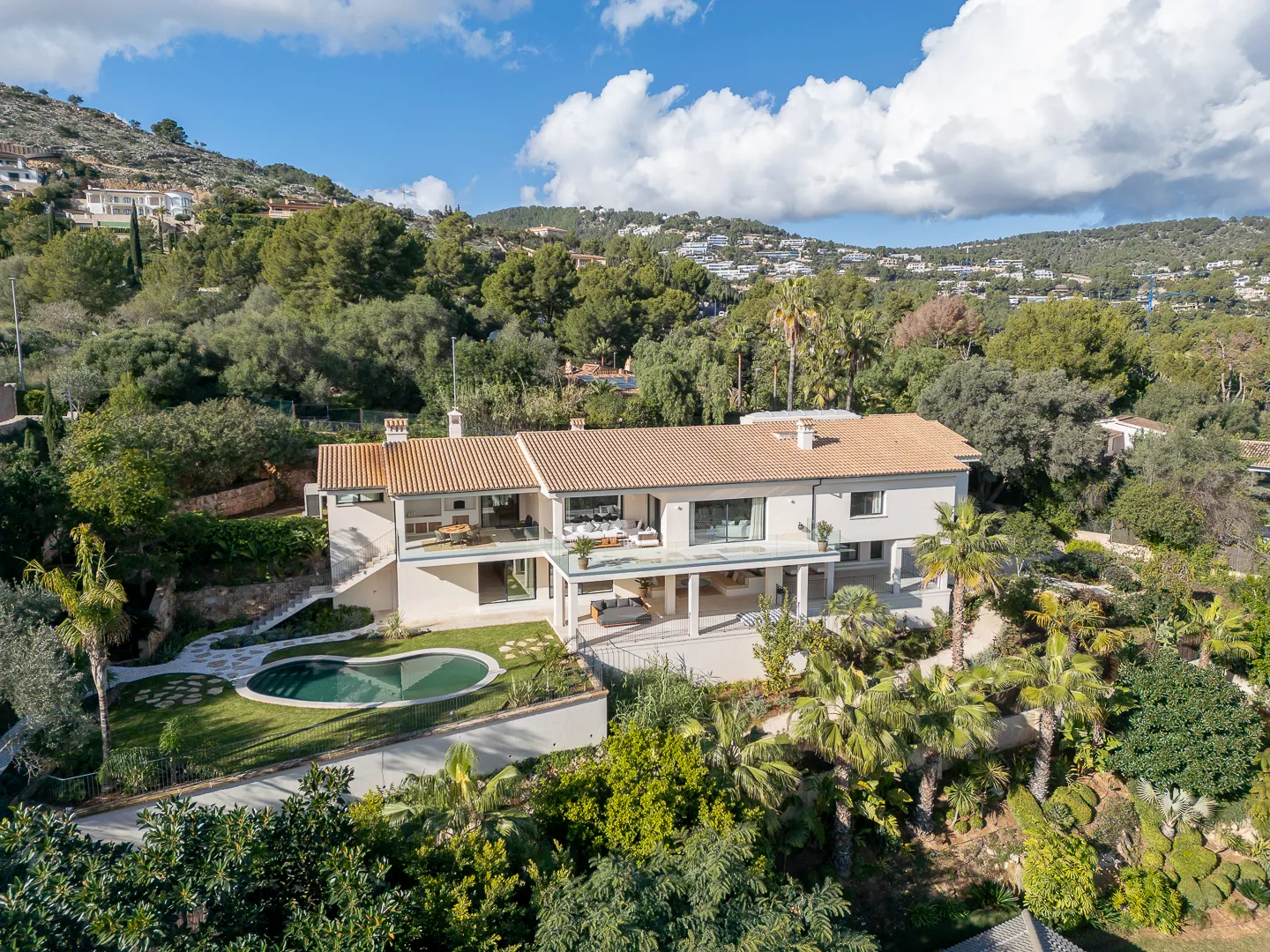
Never assume that what you see during a viewing is what you will get. You need to clarify exactly what is included in the sale of a property to avoid disappointment or disputes later. This includes everything from light fixtures to kitchen appliances.
Ask the real estate agent for a detailed list of what the current property owners intend to leave behind. If the property is being sold furnished, does that include all the furniture or just specific items? Be clear on what you want and what you expect to be included in the final price.
To prevent any misunderstandings, ensure the final purchase agreement contains a detailed inventory. The description of the property should list all included items, such as:
- Kitchen appliances and white goods
- Air conditioning units
- Furniture, fixtures, and fittings
6. What is the condition and age of the property, and should I arrange a survey?
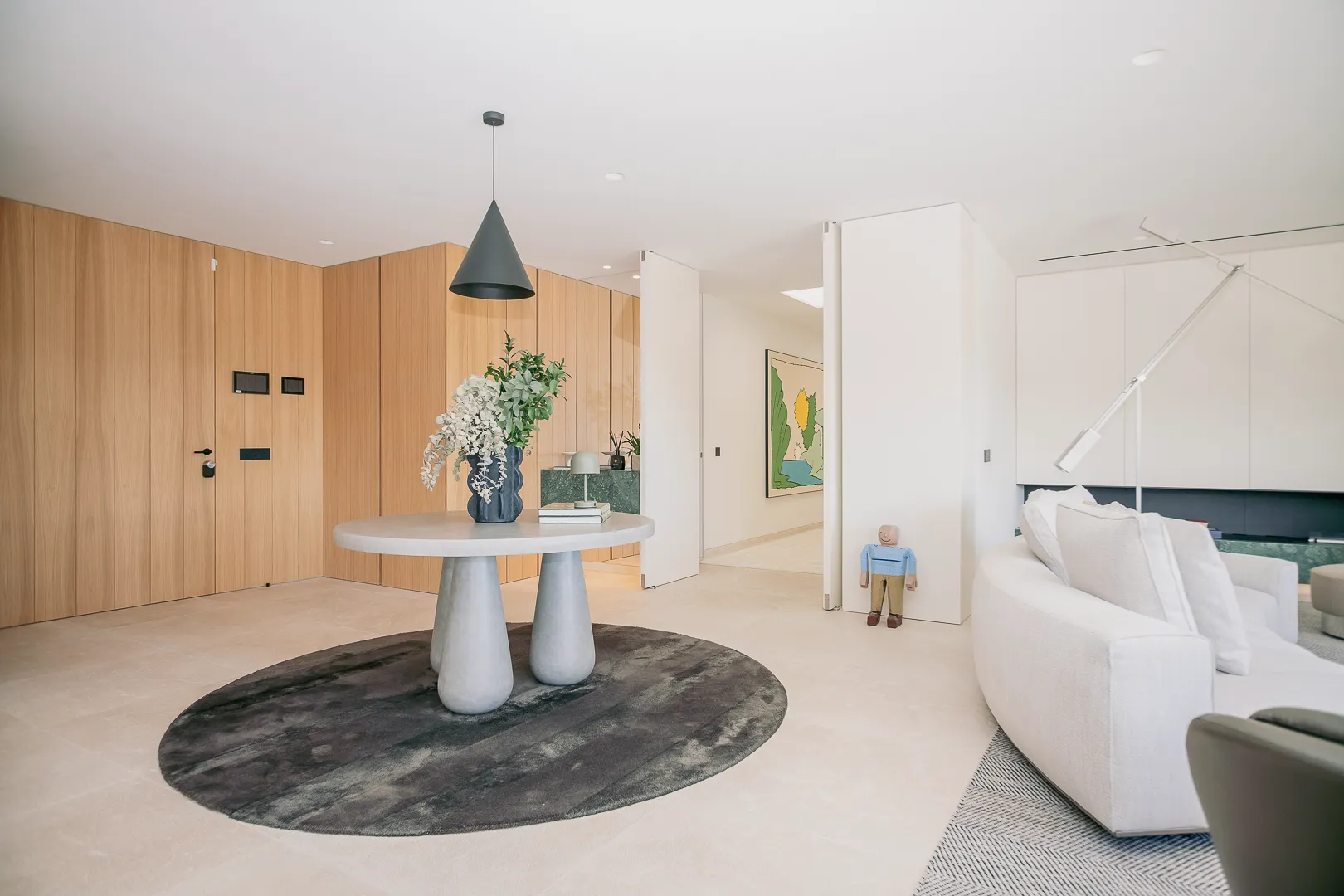
Knowing the age and condition of the property is essential for estimating future maintenance costs. The year of construction can give you clues about the quality of materials and the state of important systems. Older properties often have a unique charm, but they can also come with hidden issues.
While not legally required, getting an independent property survey is highly recommended. A qualified technical architect can perform a thorough inspection and identify any potential problems that might not be visible to the naked eye. This is especially important for second-hand homes.
A survey provides a detailed report on the property’s structural integrity and highlights any necessary repairs. Key things to check include:
- The electrical and plumbing systems
- Signs of dampness, mold, or humidity
- The condition of the roof and windows
In coastal areas of Mallorca, surveys should pay particular attention to humidity, salt corrosion, and flat roof waterproofing, as these are among the most common long-term maintenance issues. At Reiderstad Invest, we, of course, handle all of this for you.
7. What is the history of the property’s ownership and market value?
Understanding the property’s recent past can give you valuable insights. Ask how long the property has been on the market. If it has been for sale for a long time or has had several price reductions, it could be a sign of underlying issues or that it was overpriced to begin with.
Knowing why the current owners are selling can also be useful. If they need to sell quickly due to a job relocation, they might be more open to negotiating the price. You can check the history of ownership through the property registry, which can reveal a lot about the property’s journey.
Comparing the asking price to similar properties in the area will help you determine if the market value is fair. This research empowers you to make a reasonable offer and ensures you are paying a fair price for the value of the property.
In Mallorca’s prime locations, pricing is often driven more by scarcity than by recent transaction volume, meaning well-located properties may hold firm even during slower market periods.
8. What should I know about the neighborhood and local amenities?
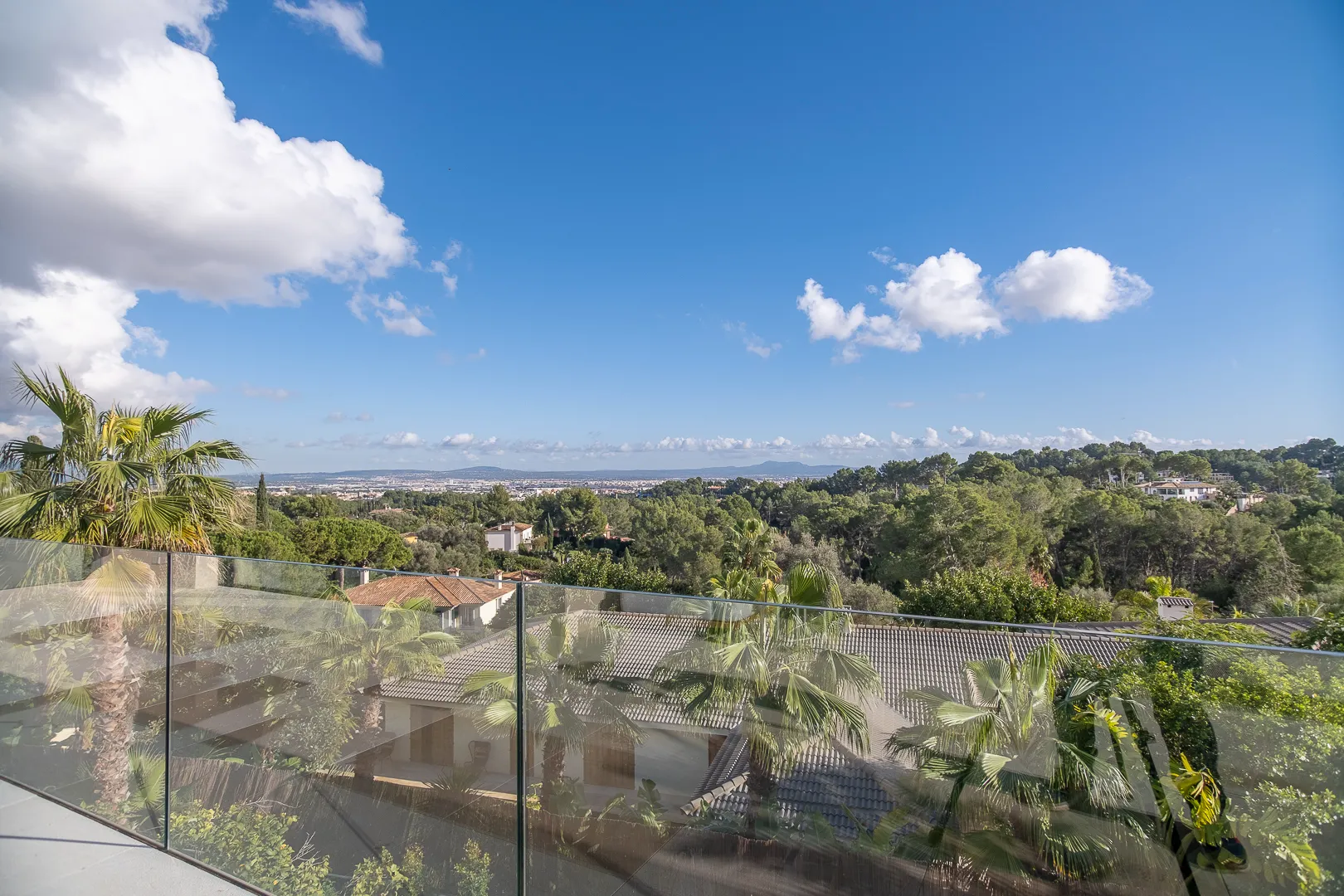
A great home is about more than just the building itself; it’s also about the neighborhood. Your quality of life will be heavily influenced by the surrounding area, so take the time to learn about it. Ask about the proximity and quality of local amenities.
Visit the neighborhood at different times of the day and week to get a feel for the atmosphere. Is it quiet and peaceful, or is it bustling with activity? If the property is part of a community of owners, ask for a copy of the community rules to understand any restrictions or shared responsibilities.
In Mallorca, seasonality matters. Some areas change significantly between winter and summer, affecting noise levels, parking availability, and day-to-day livability.
Be sure to ask your agent or the local authorities about specific details that matter to you. Some important questions to consider are:
- What are the local schools, hospitals, and shops like?
- Are there any noise concerns from bars, restaurants, or traffic?
- Are there any planned construction projects nearby that could impact the area?
9. Is the property freehold or leasehold, and what does that mean for ownership?
In Spain, most residential properties are freehold, meaning you own the property outright, along with a share of any common areas if applicable. However, it is still important to clarify the ownership structure, especially for apartments or properties within managed developments.
If the property is part of a community of owners, ask about ongoing community fees and what they cover. These costs can vary significantly depending on shared facilities such as lifts, pools, gardens, or security. Understanding these obligations upfront helps you assess the true long-term cost of ownership.
For buyers coming from countries where leasehold is common, it is worth noting that Spanish ownership structures are generally more straightforward, but community rules and fees should always be reviewed carefully.
10. How old is the property, and what does that tell you about its condition?

The age of the property gives you a useful starting point for understanding construction standards and potential maintenance needs. Newer homes tend to meet modern building and energy regulations, while older properties may have more character but require closer inspection.
Ask when the property was originally built and whether it has undergone major updates. A well-maintained older home can be an excellent purchase, but age often affects plumbing, wiring, insulation, and overall efficiency.
Knowing the construction year also helps your surveyor focus on likely risk areas during an inspection.
11. What type of heating system does the property use?
Most homes in Spain rely on electric systems, underfloor heating, heat pumps, or air conditioning units rather than gas. Clarifying the heating type early helps you estimate running costs and comfort levels throughout the year.
Ask whether the heating is centralized or individual, and if it has been recently upgraded. In luxury properties, energy-efficient systems such as aerothermal heating are increasingly common and can significantly reduce long-term costs.
Heating choice is especially important if you plan to use the property year-round rather than only seasonally.
In Mallorca, efficient heating is increasingly important for year-round living, especially in inland and mountain areas where winter temperatures are lower than many buyers expect.
12. What is the property’s energy efficiency rating?

Every property for sale in Spain must have an energy efficiency certificate. This rating gives a clear indication of energy consumption and expected utility costs.
Ask to see the certificate and note the rating, as lower-rated properties may require improvements to insulation, windows, or systems. While this does not prevent a purchase, it helps you budget for potential upgrades.
In the Mallorca market, energy efficiency is becoming a stronger value driver, particularly for newer builds and renovated properties targeting international buyers.
For buyers focused on sustainability or long-term efficiency, this document provides valuable insight beyond aesthetics.
13. Why is the owner selling the property?
Understanding the reason for the sale often gives useful context for negotiations and timing. Some owners sell due to lifestyle changes, such as needing more space, while others may be exiting an investment.
A sale driven by personal circumstances can sometimes allow more flexibility, whereas an investment sale may be more price-driven. While you may not receive full details, even a general explanation can help you understand the seller’s position.
This insight can also highlight whether the property has been a primary residence or a rental, which may affect wear and maintenance.
14. Is the seller part of a chain, and how might that affect timing?
In Spain, long property chains are less common than in some other countries, but they still exist. Ask whether the seller has already secured another property or if the sale depends on their onward purchase.
If there is a chain, understand how many parties are involved and whether this could delay completion. A chain-free sale is often simpler and faster, which may be important if you are working to a specific timeline.
Clarity here helps manage expectations and reduces stress later in the process.
15. When were the roof and heating systems last updated?
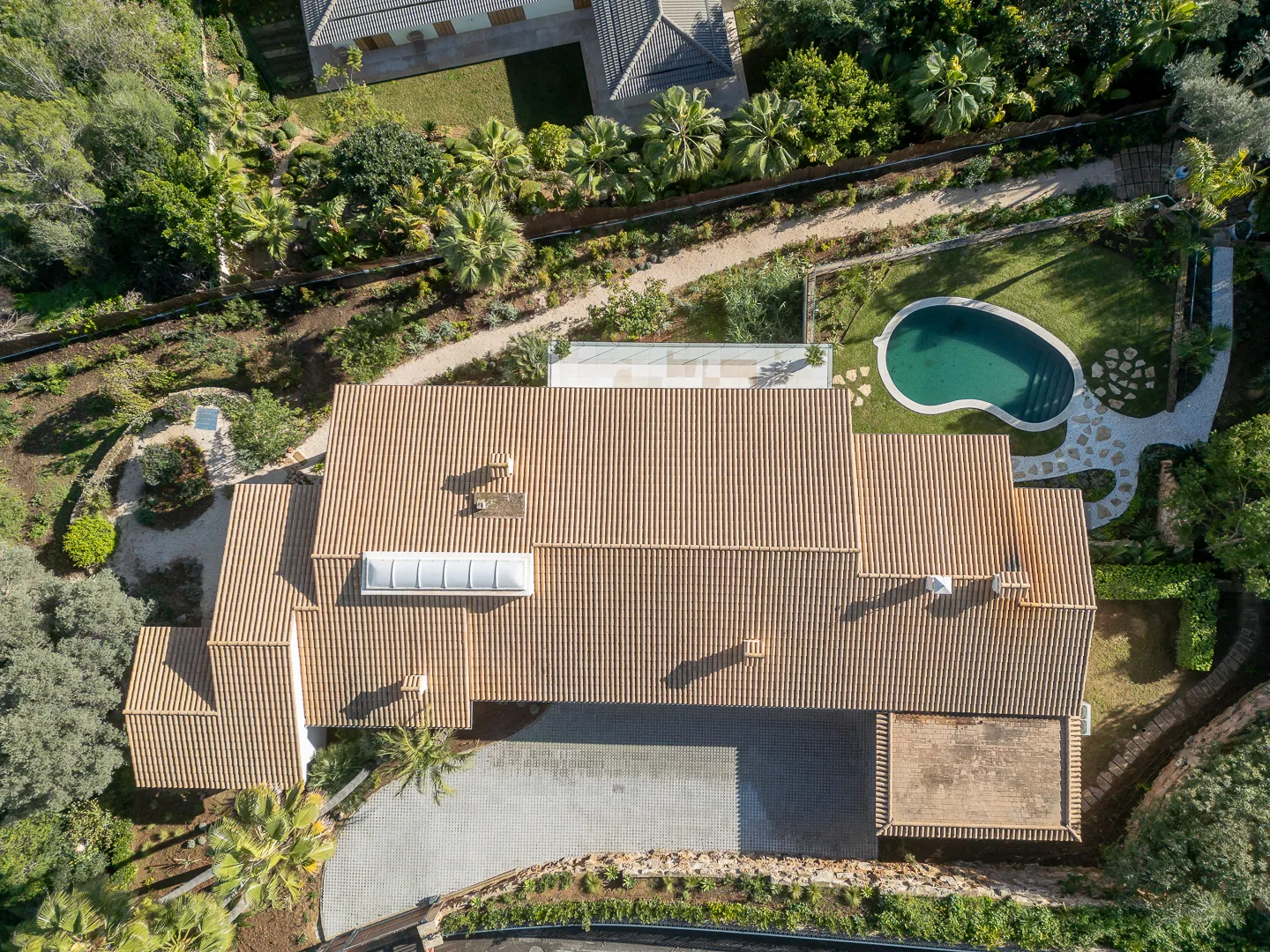
The condition of major structural and mechanical elements has a direct impact on future costs. Ask when the roof was last repaired or replaced and whether regular maintenance has been carried out.
Similarly, confirm when the boiler or main heating system was installed and last serviced. Even well-functioning systems have a lifespan, and knowing their age helps you plan ahead.
These details are particularly important for detached houses and older buildings.
16. Are there any known issues with damp, wiring, or electrical systems?
Older properties in Spain can be prone to damp, especially in coastal or rural areas. Ask directly whether there have been any damp issues and what corrective work, if any, has been done.
Electrical systems should also be reviewed. Confirm when the wiring was last updated and whether it meets current standards. Outdated wiring may not be immediately visible but can require costly upgrades.
These are exactly the kinds of issues a professional survey can confirm, but early disclosure is still valuable.
17. What renovations have been carried out, and were they properly approved?
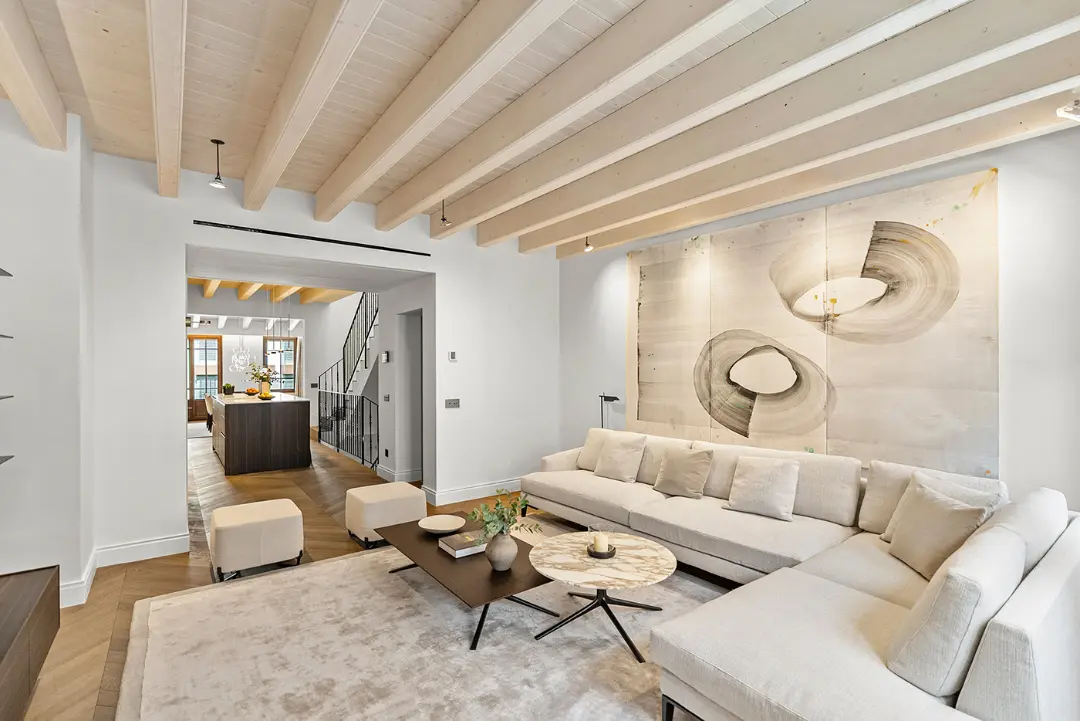
Any renovations or extensions should comply with local planning and building regulations. Ask what changes have been made during the current owner’s time and whether permits were required.
Request confirmation that all works were approved and documented. Unapproved alterations can cause problems during the purchase process or limit future changes.
Matching the physical property to its legal description is essential for a secure transaction.
18. What is the neighborhood like on a day-to-day basis?
The surrounding environment plays a major role in how enjoyable a property will be to live in. Ask general questions about neighbors and the overall atmosphere rather than direct or sensitive ones.
Visit at different times to understand noise levels, activity, and privacy. A peaceful area during the day may feel very different in the evening or during summer months.
This step is especially important for buyers seeking a primary residence rather than a holiday home.
19. What local amenities and connections are nearby?
Ask about proximity to shops, schools, healthcare, and social spaces. Also consider how long it takes to reach the nearest town or city, especially if you plan to commute.
Accessibility matters not only for convenience but also for long-term resale value. Well-connected locations tend to remain desirable even as market conditions change.
Understanding the practical side of daily life helps you assess whether the location truly fits your needs.
20. How does parking and local traffic affect daily life?
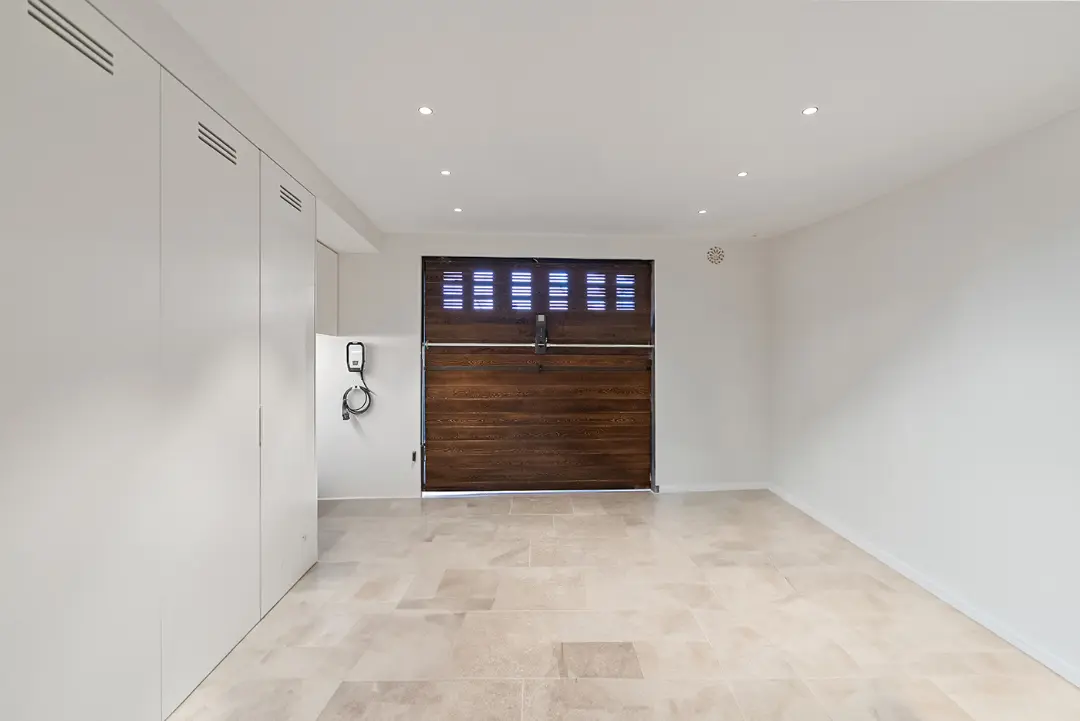
If you own or plan to own a car, parking should be discussed early. Confirm whether the property includes private parking or relies on street parking.
Ask about traffic levels at peak times, especially for properties on busy roads or in town centers. Limited parking can be manageable, but only if you understand the reality beforehand.
This is often overlooked during viewings but can become a daily frustration if ignored.
21. What is the water pressure like, and do appliances function properly?
During a viewing, take the time to test taps, showers, and toilets. Good water pressure is not guaranteed in every area and can vary by floor level or time of day.
Check that appliances included in the sale are functioning correctly. While small issues may seem minor, they add up quickly after completion.
These practical checks help avoid surprises once you move in.
22. Does the layout offer enough storage and usable space?
Storage is easy to underestimate during a viewing. Open cupboards, wardrobes, and utility areas to assess whether the layout suits your lifestyle.
Ask about any external storage rooms, basements, or communal spaces if applicable. Well-designed storage is particularly important in apartments or minimalist homes.
This ensures the property works not just visually, but functionally.
23. Is mobile coverage and broadband reliable throughout the property?

Connectivity is essential, especially for buyers who work remotely or spend extended periods in Spain. Check mobile signal strength in different rooms, not just near windows.
Ask about broadband options, including fiber availability and typical speeds. Rural or older properties may have limitations that are not immediately obvious.
Confirming this early avoids costly upgrades or ongoing frustration.
24. If the property involves shared ownership or community structures, what should you know?
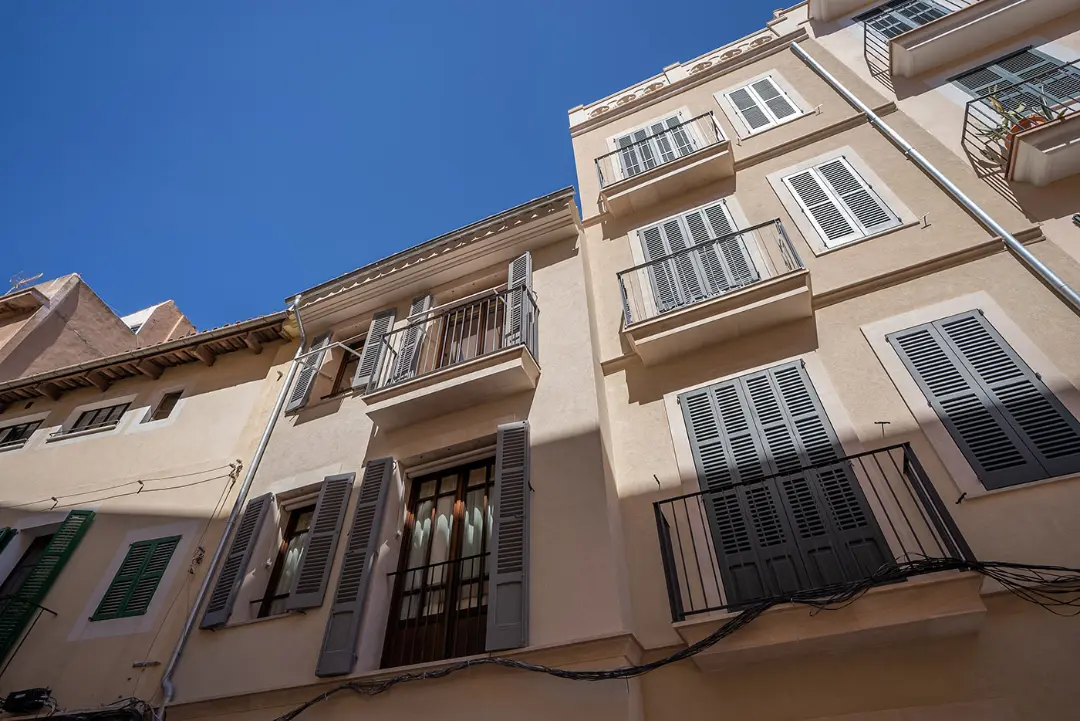
For properties with shared ownership elements or community participation, clarify whether full ownership is possible over time and what costs are involved.
Ask how service charges are calculated and whether they have increased recently. A history of sharp increases may indicate rising maintenance costs or underfunded reserves.
In Mallorca, older communities may have low reserve funds, meaning future renovation costs can result in sudden special levies for owners.
Understanding these details protects your long-term financial planning.
25. What should you research before and after the viewing?
Before visiting, research flood risk, planned developments, and infrastructure projects in the area. This information is publicly available and can influence both lifestyle and property value.
After the viewing, document everything. Take photos and videos to review later and compare properties objectively.
If possible, speak with neighbors. Casual conversations often provide honest insights that formal channels do not.
Conclusion
In summary, buying a property in Spain is an exciting venture, but it requires careful consideration and thorough inquiry. By asking the right questions, you not only safeguard your investment but also ensure that your new home meets all your needs and expectations. From understanding the legal status to exploring the neighborhood, each question plays a crucial role in your decision-making process. Remember, knowledge is power, and being well-informed can significantly enhance your property-buying experience. If you’re ready to take the next step, don’t hesitate to reach out for a free consultation to guide you through this journey!
Frequently Asked Questions
What paperwork do I need when buying a property in Spain?
To buy a property in Spain, you will need several necessary documents. These include your Foreigner Identification Number (NIE), proof of funds, a Spanish bank account, and the Nota Simple from the property registry. Your lawyer will help you gather and verify all required paperwork for a smooth transaction.
For purchases in the Balearic Islands, it is also common for lawyers to verify town hall planning records in addition to registry documents, particularly for houses and fincas.
What should foreigners consider before purchasing a home in Spain?
Foreigners should start by obtaining an NIE number and opening a Spanish bank account, as this is the first step for any transaction. It’s also vital to understand the local legal system and tax obligations. While you don’t need a residence permit to buy, you will need one if you plan to live in Spain long-term.
What are common pitfalls to avoid when buying property in Spain?
Common pitfalls include not verifying property debts, underestimating additional costs, and relying solely on the seller’s real estate agent. A major mistake is not hiring an independent lawyer to handle the legal requirements. Always conduct thorough due diligence to avoid issues that could have been caught early.