- Secure your NIE, residency registration, and confirm your visa type early.
- Decide if you are staying short-term or becoming tax resident (183+ days).
- Open a local bank account to handle bills, transfers, and daily expenses.
- Start by renting unless you know the area well; check tourist licence rules before buying.
- Arrange utilities, internet, and waste services once your housing is confirmed.
- Choose healthcare: state coverage if eligible or private insurance for visa requirements.
- Review schooling options early if moving with children; international schools fill up fast.
- Learn basic Spanish and understand local etiquette like siesta hours.
- Confirm work permissions, whether remote, autónomo, or employer-sponsored.
- Pack for warm seasons with light layers for winter, leave bulky furniture behind.
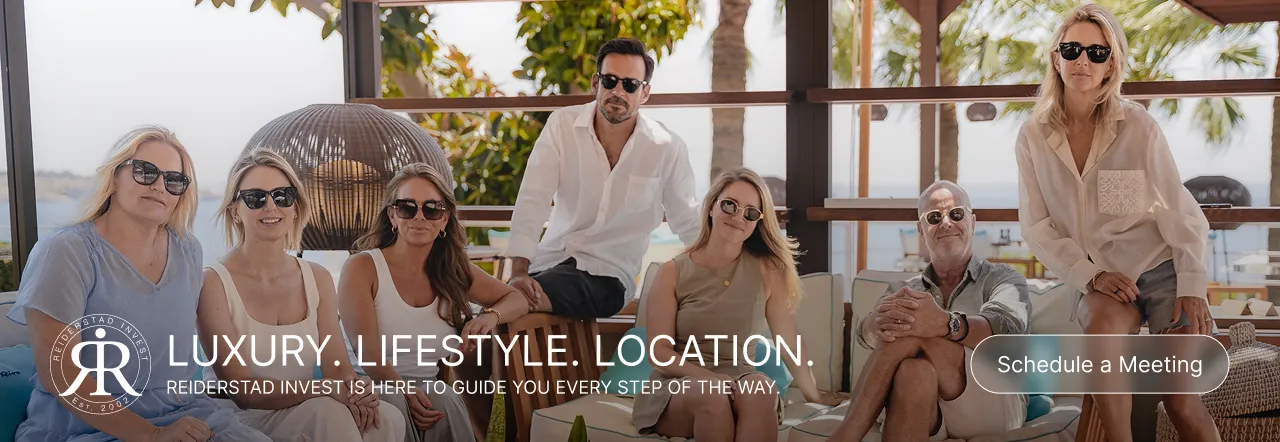
Southwest of Mallorca at a Glance
- Prime areas: Portals Nous, Bendinat, Costa d’en Blanes, Santa Ponsa, Port Adriano, Port d’Andratx
- Typical asking prices (2024–25):
- Ultra-prime villas: €4.3m+
- Quality villas: €2m–3m
- Prime apartments: €750k–€1.1m+
- Market trend: Strong long-term price growth island-wide over the last 5–10 years
- Access: 20–30 minutes to Palma airport
- Lifestyle: International schools, marinas, golf, and a large year-round expat community
Introduction
This stunning corner of the world, just a stone’s throw from the vibrant city of Palma de Mallorca, offers an incredible quality of life. Embarking on this new chapter is an exciting adventure, but the relocation process can feel overwhelming. This Southwest Mallorca moving checklist is here to simplify your journey and ensure your move is as smooth and stress-free as possible.
Schedule a meeting with the Reiderstad team for professional help ⇒
Your Essential Southwest Mallorca Move Checklist
To ensure a seamless transition, we’ve created a comprehensive move checklist. This step-by-step guide will walk you through every stage of the process, from handling paperwork to settling into your new community.
Whether you’re eyeing a property in a lively area like Santa Ponsa or exploring other real estate opportunities, this checklist covers all the bases. Let’s get you started on the path to your new life in the sun.
1. Gather All Required Legal and Residency Documents
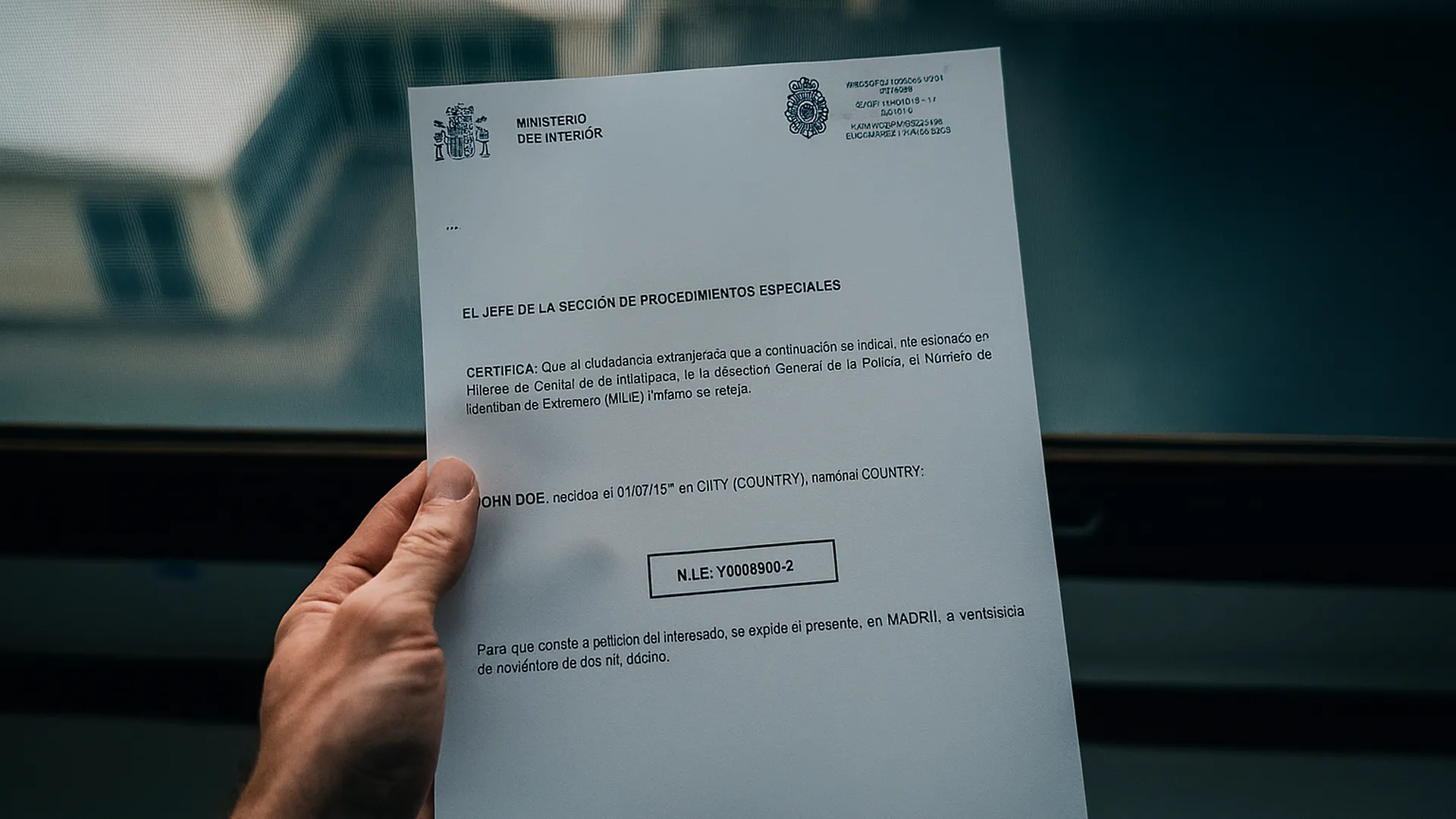
Your first step is to tackle the necessary paperwork. Spain has specific documentation requirements, and having everything in order will prevent delays. The most crucial document is your Foreigner’s Identity Number, or Número de Identidad de Extranjero (NIE), which is essential for almost every transaction, from opening a bank account to buying property.
You will also need to register your residency at the local town hall (Ayuntamiento), a process known as “empadronamiento.” This registration serves as your official proof of address in Spain. It’s a straightforward process but a vital one for accessing local services.
Before you leave your home country, contact the nearest Spanish consulate to inquire about the specific documents needed for your residence permit application. Typically, you will need:
- A valid passport
- Proof of financial means
- Proof of healthcare coverage
- Your NIE application
Decide upfront: Are you staying ≤90 days or >183 days per year? 183 days → likely tax resident in Spain (worldwide income declared).
Start early: Book NIE/visa/consulate appointments 3–6 months before your move.
2. Research and Secure the Right Visa or Permit

Understanding Spain’s visa requirements is a critical part of your relocation plan. If you are a citizen of the European Union, you can live and work in Spain with relative ease, though you’ll still need to register your residency. For non-EU citizens, including Americans, a visa is required for stays longer than 90 days.
Spain offers several visa options tailored to different circumstances. For instance, the Golden Visa is available to individuals who make a significant investment in Spanish real estate. The recently introduced Digital Nomad Visa is perfect for remote workers who want to enjoy the Mallorcan lifestyle while working for a foreign company.
Be sure to research which permit best suits your situation. Some common options for non-EU citizens include:
- Non-Lucrative Visa (for those with sufficient funds who don’t plan to work)
- Work Visa (if you have a job offer from a Spanish company)
- Student Visa (for educational purposes)
3. Organize Your Finances and Open a Local Bank Account
Managing your finances effectively is key to a smooth move. One of your first tasks upon arrival should be to open a Spanish bank account. This will simplify paying bills, receiving payments, and managing your daily expenses. Most banks require your NIE, passport, and proof of address to open an account.
Having a local bank account also makes international transfers more manageable and often cheaper. When moving significant amounts of money, pay close attention to currency exchange rates and associated fees to ensure you get the best deal.
To set up your financial life in Mallorca, you should:
- Obtain your NIE and a Spanish phone number.
- Compare different banks to find one that offers services in English and has low fees.
- Ask about the requirements for non-residents versus residents, as they can differ.
4. Explore Housing Options: Renting vs. Buying in Southwest Mallorca
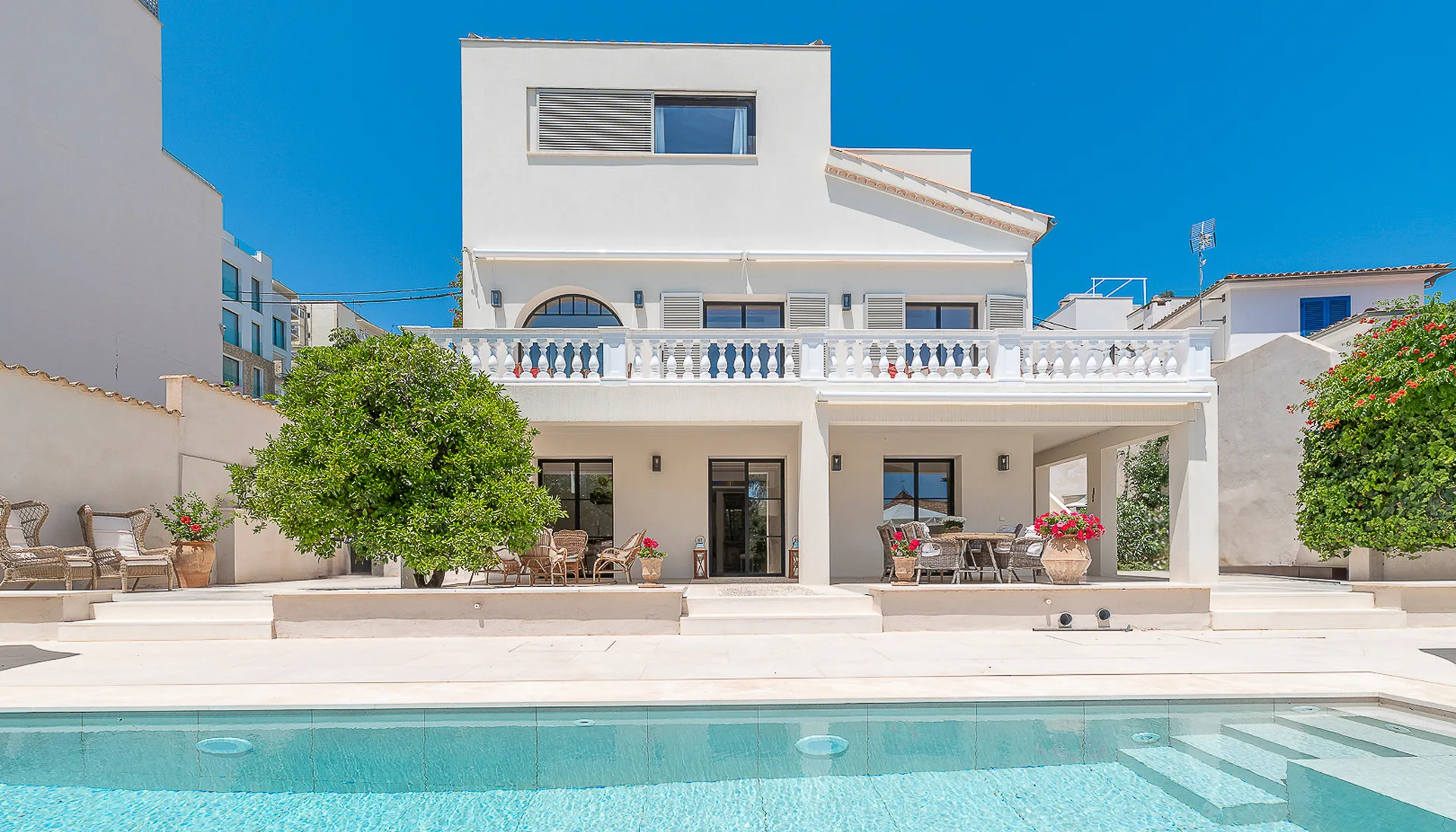
Finding your ideal place to live is one of the most exciting parts of moving. The real estate market in Southwest Mallorca offers a wide range of options, from modern apartments with sea views to traditional fincas in the countryside. Your first major decision will be whether to rent or buy. Renting can be the best option initially, as it gives you time to explore different areas before committing to a purchase.
If you decide to buy, it’s wise to work with a reputable real estate agent who understands the local purchasing process. They can guide you through the legalities and help you find a property that fits your needs, whether it’s in a coastal town or a charming village like Santa Maria.
When looking for a home, consider these points:
- Your budget for rent or purchase.
- Proximity to work, schools, and amenities.
- Long-term versus short-term housing goals.
- The type of lifestyle you envision (e.g., coastal, rural, or village life).
Southwest Mallorca Micro-Market Guide
| Area | Overview | Property Trends |
|---|---|---|
| Southwest Mallorca (General) | International, marina-focused, strong demand | Higher price point; lock-up-and-leave apartments and sea-view villas |
| Santa Ponsa / Port Adriano / Sol de Mallorca | Family-friendly, golf, year-round infrastructure | Wide range of villas and apartments; strong long-term rental demand |
| Port d’Andratx | Boutique, yacht-driven, ultra-prime | Limited stock; some of the highest villa prices on the island |
Explore our complete Southwest lifestyle & market report ⇒
Buying Costs & Annual Ownership Costs
Place this immediately after your “Explore Housing Options” section (after the new micro-market block).
Buying Costs (Mallorca)
Typical Purchase Costs
| Cost Type | Approx. Range |
|---|---|
| Taxes + fees | 10–13% of purchase price |
| Notary + registration | 1–2% |
| Lawyer | Usually 1% |
| Mortgage-related fees | Bank study fees, valuation, possible opening commission |
Annual Ownership Costs
- IBI (property tax)
- Basura (rubbish tax)
- Community fees (for apartments / gated communities)
- Home insurance
- Wealth-tax allowance: Raised to €3m per person / €6m per couple in the Balearics.
Holiday Rentals & Legal Use
Holiday Rental Reality in the Southwest
- Many properties are residential only and cannot be rented to tourists.
- Short-term rentals require an ETV tourist licence, heavily regulated and not widely available .
- If rental income is part of your plan:
- Confirm in writing whether the property has a valid licence.
- Check licence capacity (beds/guests).
Note: Don’t assume Airbnb rental is automatically legal.
5. Plan for Utilities, Internet, and Mobile Services Setup
Once you have secured your new home, the next step is to set up essential services. Arranging utilities like electricity and water is a priority for your daily life. This usually involves contacting the utility companies and providing your NIE, bank account details, and a copy of your rental contract or property deed.
Next, you will want to get connected to the internet and mobile service. Several providers offer a range of packages, so it’s a good idea to compare prices and coverage in your area. Having a reliable internet connection is especially important if you plan to work remotely.
To get your home up and running, follow these steps:
- Contact the electricity and water companies to transfer services into your name.
- Research and choose an internet and mobile phone provider.
- Register with the local authorities for services like trash collection.
6. Arrange Health Insurance and Register for Healthcare
Spain has an excellent healthcare system, but it’s crucial to understand how to access it. As an expatriate, your access to the Spanish state healthcare system depends on your residency and employment status. If you are working and contributing to Social Security in Spain, you and your dependents will be covered.
However, for many non-EU residents, securing private health insurance is a requirement for obtaining a residence permit. Having a private healthcare plan ensures you have comprehensive coverage from the moment you arrive and often provides faster access to specialists and services in multiple languages.
Here’s how to approach your health insurance setup:
- Determine if you are eligible for state healthcare through Social Security contributions.
- If not, research and purchase a comprehensive private health insurance plan that meets visa requirements.
- Once you have your plan, register with a local doctor and find the nearest hospital.
7. Understand Local Education and Schooling Options

If you are moving with children, researching schools will be a top priority. The Southwest of Mallorca offers some of the best educational options to suit different family needs. The main choices are public schools, private schools (concertados), and international schools.
Public schools are free and offer full immersion in the Spanish and Catalan languages, which is great for integration. However, many expat families prefer international schools that follow British, American, or other European curricula, allowing for a smoother educational transition. Private Spanish schools offer another alternative, often with a strong academic focus and bilingual programs.
To find the right fit for your family, you should:
- Visit potential schools to get a feel for their atmosphere and teaching style.
- Check admission requirements and application deadlines well in advance.
- Consider the location and how it fits with your commute and housing plans.
- Connect with other expat parents for firsthand recommendations.
8. Learn About Local Customs, Rules, and Community Etiquette
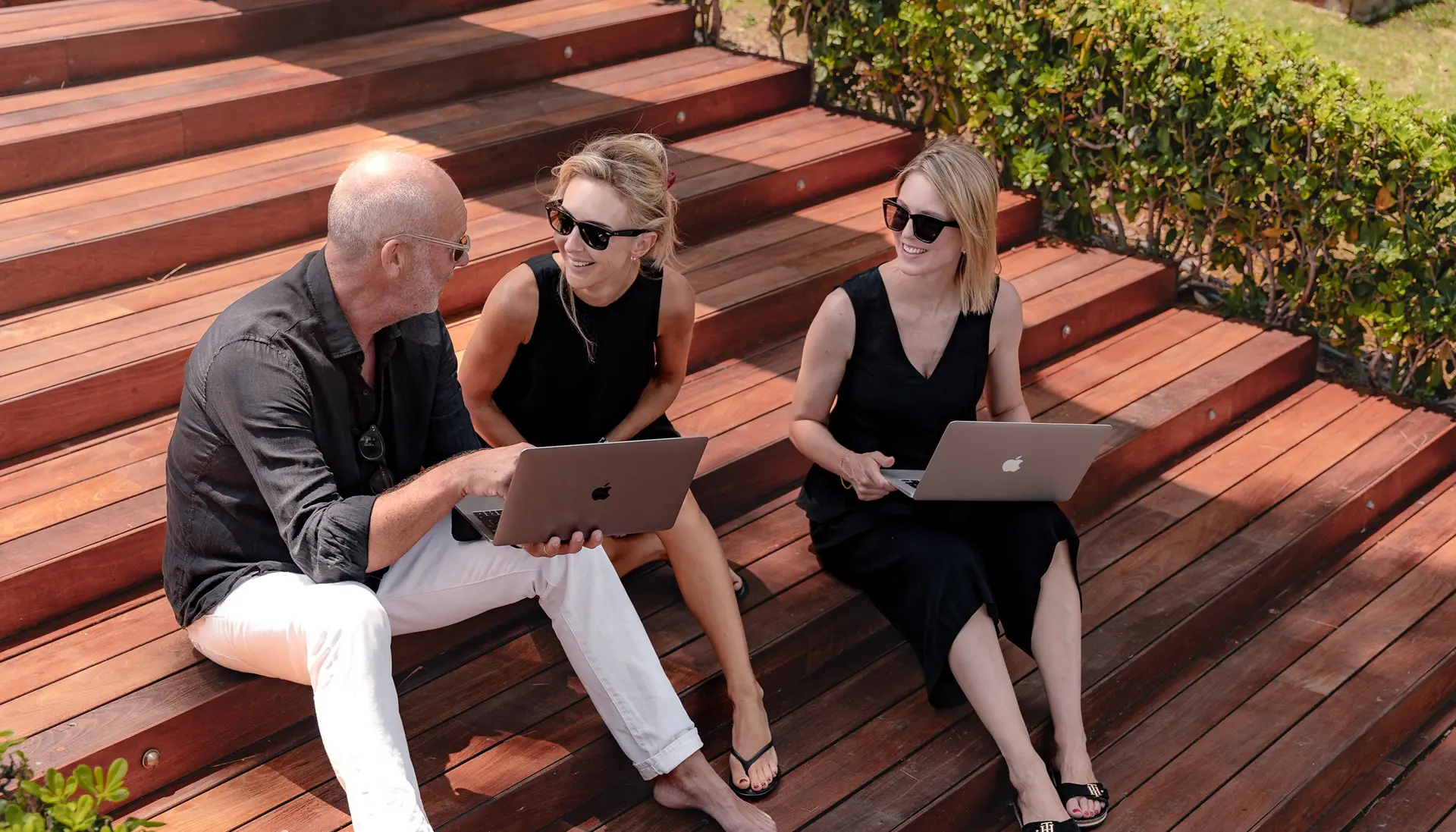
Adapting to a new country is about more than just logistics; it’s also about embracing the local culture. Understanding local customs and community etiquette will help you feel more at home and connect with your new neighbors. Mallorcans are generally warm and welcoming, but showing respect for their traditions goes a long way.
One of the best ways to integrate is by learning at least some of the Spanish language. While English is widely spoken in tourist areas, making an effort to speak Spanish is greatly appreciated in daily interactions. Simple greetings and phrases can make a big difference.
Keep these cultural tips in mind:
- Be aware of the “siesta” culture, where many shops close in the afternoon.
- Greetings are important; a simple “hola” and “adiós” are customary when entering and leaving shops.
- Remember to register at the local town hall, as this officially makes you part of the community.
9. Prepare for Work or Setting Up a Business
Whether you’re moving with a job offer or planning to find work, it’s important to understand the local employment landscape. For non-EU citizens, securing a work visa is a prerequisite and typically requires a contract from a Spanish employer before you move. The process can be complex, so starting early is essential.
Southwest Mallorca is also becoming a popular destination for remote workers and the digital nomad community. If you plan to work remotely for a non-Spanish company, the new Digital Nomad Visa may be the perfect option for you. Setting up as self-employed (“autónomo”) is another path, though it comes with its own set of administrative and tax obligations.
For a successful professional transition, consider the following:
- Seek legal support to navigate visa applications or business registration.
- Network with other professionals in your field.
- Ensure you have the correct visa that permits your intended work activity.
10. Pack Smart: What to Bring and What to Leave Behind
When it comes to packing for your move, being strategic is key to a hassle-free transition. It’s tempting to bring everything from your home country, but shipping costs can be high, and many items can be easily purchased in Mallorca. Focus on packing items that are sentimental, hard to replace, or essential for your immediate daily life.
Think about the Mediterranean climate. You’ll need lightweight clothing for most of the year, but also some warmer layers for the cooler, damper winter months. Leave behind bulky furniture unless it’s particularly valuable or sentimental, as furnished rentals are common and buying new furniture is straightforward.
Here are a few smart packing tips:
- Pack important documents, medications, and valuables in your carry-on luggage.
- Bring adapters and check the voltage for your electronics.
- Consider what items will truly enhance your quality of life in your new home.
- Don’t forget a good dictionary or app to help with the local language.
11. Consider Family Needs: Childcare, Activities, and Support
Moving with family requires extra planning to ensure every family member feels comfortable and supported. Southwest Mallorca is very family-friendly, with plenty of activities and resources for children of all ages. Researching childcare options, like nurseries (“guarderías”) or after-school programs, should be high on your list.
Connecting with other expat families can be a fantastic source of support and information. They can offer advice on everything from the best pediatricians to family-friendly beaches and parks. This network can significantly improve your family’s quality of life and help your children make new friends quickly.
If you are moving separately from your family, look into the family reunification visa process early on. To help your family settle in:
- Explore local parks, sports clubs, and cultural centers.
- Involve your children in the moving process to make it an exciting adventure.
- Find community groups or classes for each family member to join.
12. Build Your Social Life and Connect with the Expat Community

Moving to a new place is as much about building a social life as it is about logistics. Fortunately, Southwest Mallorca has a large and welcoming expat community. Tapping into this network is a great way to get advice, make friends, and feel at home more quickly.
Online platforms are an excellent starting point. Search for Facebook groups for expats in Mallorca or your specific town. These groups are full of useful tips, event announcements, and people looking to connect. The growing international community means there are people from all over the world to meet.
To start building your social circle:
- Join local hobby groups, like hiking clubs, book clubs, or language exchanges.
- Attend local events, markets, and fiestas to meet both locals and expats.
- Don’t be shy about introducing yourself and suggesting a coffee or a walk.
Navigating Legal and Financial Steps in Your Move
The legal and financial aspects of moving abroad can seem daunting, but with the right information, you can manage them confidently. From visas to bank accounts, understanding your financial obligations and legal requirements from the start will save you time and stress down the road.
Whether you’re dealing with a real estate purchase or figuring out your tax status, seeking professional legal support is often a wise investment. The following sections will provide more detailed guidance on visa requirements for Americans, managing your money, and understanding what it means to be a tax resident in Spain.
Ask an expert at Reiderstad Invest ⇒
Understanding Residency and Visa Requirements for Americans
For American citizens, moving to Spain for longer than 90 days requires a residence permit. The specific visa requirements depend on your reason for moving. You must apply for your visa from the Spanish consulate in the U.S. before you travel; you cannot apply for it after arriving in Spain as a tourist.
The process involves gathering extensive documentation, including proof of funds, health insurance, and a clean criminal record. Once your visa is approved and you arrive in Mallorca, you will complete the final steps to receive your residency card (TIE). Options like the family reunification visa are available if you have a family member who is already a legal resident.
Here is a simplified look at common visa options:
| Visa Type | Ideal For | Key Requirement |
|---|---|---|
| Non-Lucrative Visa | Retirees or those not planning to work | Proof of sufficient passive income or savings |
| Digital Nomad Visa | Remote workers for foreign companies | Proof of remote work and income |
| Work Visa | Individuals with a job in Spain | A pre-approved work contract from a Spanish employer |
Tips for Managing Currency Exchange and International Transfers
Managing your money across borders is a crucial part of your move. When making international transfers to fund your new life or purchase property, high street banks can often charge hefty fees and offer uncompetitive currency exchange rates. This can cost you thousands of dollars on large transactions.
To save money, consider using a specialist currency exchange service. These companies typically offer better exchange rates and lower fees than traditional banks. They also provide tools like forward contracts, which allow you to lock in a favorable exchange rate for a future transfer, protecting you from currency fluctuations.
For smooth financial management:
- Open your Spanish bank account as soon as you have your NIE.
- Compare different currency exchange services to find the best rates and lowest fees.
- Plan large transfers in advance and watch exchange rate trends.
Local Taxes and Financial Obligations to Know
Understanding your tax responsibilities is a non-negotiable part of moving to Spain. If you spend more than 183 days a year in the country, you will likely be considered a tax resident. This means you are required to declare your worldwide income and assets to the Spanish government.
Your financial obligations don’t just exist in Spain. As an American citizen, you are still required to file taxes in your home country each year, regardless of where you live. However, tax treaties between the U.S. and Spain are in place to prevent double taxation, so you typically won’t pay tax twice on the same income.
To stay on top of your taxes:
- Consult with a tax advisor who specializes in both Spanish and U.S. expat tax law.
- Keep meticulous records of your income and assets.
- Understand the deadlines for filing taxes in both countries.
Adapting to Daily Life in Southwest Mallorca

Once the major legal and financial hurdles are cleared, the real fun begins: settling into your new daily life. Embracing the Mediterranean lifestyle is all about slowing down, savoring simple pleasures, and enjoying the beautiful surroundings. This means long lunches, evening strolls, and spending plenty of time outdoors.
Getting a feel for the local culture takes time, but you can speed up the process by exploring your new neighborhood, trying local foods, and figuring out practicalities like public transport. The following sections offer tips on getting around, shopping, and fully immersing yourself in the Mallorcan way of life.
Transportation Options: Getting Around Efficiently
Getting around Southwest Mallorca is relatively easy, thanks to a variety of transportation options. The island has an excellent public transport network of buses (TIB) that connect Palma with nearly every town and village. This is a cost-effective and convenient way to explore without the stress of driving or parking, especially in busy tourist areas.
However, for ultimate freedom and flexibility, owning a car is often the best option, particularly if you live in a more rural area or want to discover hidden beaches and remote hiking trails. You can either import your car from home or buy one locally.
To navigate the island efficiently:
- Familiarize yourself with the local bus schedules and routes.
- Consider renting a car for your first few weeks to explore different areas.
- If you decide to buy a car, factor in insurance, taxes, and maintenance costs.
Shopping, Groceries, and Everyday Essentials
Shopping for groceries and everyday essentials in Mallorca is a delightful experience that combines modern convenience with traditional charm. You’ll find large supermarkets like Mercadona, Lidl, and Carrefour in and around major towns, offering everything you need under one roof.
For a more authentic taste of the island, don’t miss the weekly local markets. This is where you can buy fresh, seasonal produce, local cheeses, olives, and cured meats directly from the producers. It’s a fantastic way to practice your Spanish, support the local economy, and immerse yourself in daily Mallorcan life.
For your daily shopping needs:
- Find out the market day in your town and neighboring villages.
- Keep reusable bags handy, as many stores charge for plastic bags.
- Note that many smaller shops close for a few hours in the afternoon for a siesta.
Embracing the Mediterranean Lifestyle and Culture
Truly embracing the Mediterranean lifestyle is about adjusting your mindset. It means prioritizing quality of life, spending time with loved ones, and appreciating the natural beauty around you. The pace of life is slower, and there’s a strong emphasis on community and tradition.
The local culture is a rich blend of Spanish and unique Mallorcan traditions. You’ll find a welcoming atmosphere where people from different backgrounds come together. Participating in local fiestas, trying traditional foods like ensaimada, and simply taking time to enjoy a coffee at a pavement café are all part of the experience.
To immerse yourself in the culture:
- Learn a few words of Catalan, the co-official language of the Balearic Islands.
- Take time to explore the island’s history, from ancient ruins to beautiful cathedrals.
- Embrace a more relaxed schedule and be patient with local bureaucracy.
Conclusion
Moving to Southwest Mallorca can be an exciting adventure, but it requires careful planning and consideration. By following this checklist, you can ensure that you’re prepared for the various aspects of your relocation, from gathering legal documents to understanding local customs. Each step is crucial in making your transition smooth and enjoyable, whether you’re focusing on housing, healthcare, or building a social network. Remember, taking the time to organize everything will lead to a more seamless experience as you settle into your new life. If you need assistance with any part of the moving process, don’t hesitate to reach out for a free consultation to help guide you through your journey.
Frequently Asked Questions
What are the most important documents to prepare for moving to Southwest Mallorca?
The most crucial documents are your passport, your Número de Identidad de Extranjero (NIE), and your residence permit, which you must apply for at a Spanish consulate in your home country. You’ll also need proof of addres (empadronamiento) and proof of funds and healthcare for your visa application.
How do I find good schools or childcare in southwest Mallorca?
Research public schools for language immersion or international schools for familiar curricula. Your choice will depend on your family needs and budget. Connect with expat families online for recommendations and check with the local town hall (Ayuntamiento) for a list of schools and childcare options in your area.
What is the best way to meet people and make friends as an expat in the area?
To build your social life, connect with the expat community through Facebook groups and local meetups. Participate in hobby classes or sports clubs to meet people with similar interests. Embracing the local culture by attending fiestas and frequenting local cafes is another great way to connect with the growing international community.